
1. Introduction
Attention Deficit Hyperactivity Disorder (ADHD) is a complex yet common neurodevelopmental disorder affecting between 5% and 7% of children ( 1 ). It is more prevalent in boys than in girls ( 2 ). Characterized by inattention, hyperactivity, and impulsivity that are developmentally inappropriate and associated with impairments in academic, social, and emotional functioning ( 3 ), ADHD typically emerges in childhood and may persist into adulthood, significantly impacting individuals’ social, academic, and occupational lives if left untreated ( 4 ).
It has been established that students with ADHD exhibit difficulties in various areas, including time perception, compared with their typically developing peers. They often demonstrate a greater tendency to make inaccurate time estimations ( 5 ). Conversely, exposure to nature and natural environments has consistently been shown to enhance individuals’ ability to accurately estimate the passage of time ( 6 ). This understanding underscores the four primary processes of time perception: simultaneity, temporal progression, temporal order, and duration. Of these, estimating duration has held the greatest survival value throughout evolution. Two prerequisites for estimating the duration of a time interval include an internal clock to record the passage of time after perceiving a sensory stimulus, and memory-based criteria to measure this sensory input. These processes are impaired in students with ADHD due to disruptions in the frontoparietal loop and deficits in working memory ( 7 ). Lee and Yang ( 8 ) reported that time perception impairments in students with ADHD are associated with various factors, including deficits in working memory. Zheng and colleagues ( 9 ) found that children and adolescents with ADHD demonstrated impairments in time perception, characterized by decreased accuracy and precision, as well as a tendency to overestimate temporal durations.
Therefore, assisting in the improvement of conditions for these children is a significant issue in the field of psychology. One such method is cognitive rehabilitation. This therapeutic-learning approach is effective in improving motor and cognitive symptoms by restoring impaired brain activity ( 10 ). By engaging multiple senses and enhancing executive functions, memory, and enjoyable activities, cognitive rehabilitation promotes integration and organization within the central nervous system, thereby controlling and regulating sensory processing and behavior management in students with ADHD ( 11 ). When well-designed and implemented as a computer-based activity, cognitive rehabilitation programs can increase attention and focus in children by altering their attentional level and improve behavioral deficits ( 12 ).
Wiest and co-workers ( 13 ) also found in their study that computer-based cognitive rehabilitation can positively impact the cognitive functions of students with ADHD. Therefore, students with ADHD are an ideal target group for cognitive rehabilitation programs, as their behavioral problems, including inattention, impulsivity, and hyperactivity, have clear cognitive and neurological origins. This alignment between behavior and cognitive function provides an opportunity to modify behavior by enhancing cognitive function ( 14 ). Moradi and colleagues ( 15 ) demonstrated in their study that neurofeedback training combined with computer-based cognitive games was effective in improving time perception, attention, and working memory in students with ADHD. Bagheri and colleagues ( 16 ) also found in separate studies that cognitive rehabilitation programs are effective in improving time perception in students with ADHD.
Given that learning formal academic programs and social skills can be particularly challenging for students with ADHD, and often do not yield satisfactory results in improving their condition, the use of methods that are typically engaging and compatible with the child’s preferences, such as free play in nature, can have a greater impact on symptom control and reduction ( 17 ). Consequently, play therapy, particularly Floortime or nature-based play therapy, is now commonly used as an effective treatment method to improve and reduce the symptoms of ADHD. Experiencing nature during childhood fosters a child’s understanding and appreciation of nature, as well as facilitating direct learning from it. Playing with natural elements such as trees, flowers, soil, water, and animals has consistently been reported as beneficial for children at various developmental stages ( 18 ).
Given that nature constitutes a significant environment within which children interact during sensitive developmental periods, Floortime therapy is designed to provide increased opportunities for reinforcing learning and generalizing it to real-world situations and the child’s natural environment through individualized reinforcement programs ( 19 ). Nature-based interventions, such as animal-assisted therapy and naturalistic observation of animals, including activities like horseback riding and interacting with animals, or engaging with natural elements like soil, have demonstrated positive effects on attention in various populations, including individuals exhibiting symptoms of ADHD ( 20 ). This finding is corroborated by Bodaghi and c-workers ( 21 ), who investigated the impact of Floortime therapy on enhancing emotion regulation, self-control, and executive functions in students with ADHD. Furthermore, Kazemi and colleagues ( 22 ) demonstrated the effectiveness of play therapy in improving time perception among students with ADHD.
Accordingly, improving the condition of students with ADHD through psychological interventions is a major goal for psychology researchers. Given that behavioral problems and impaired executive functions are characteristic deficits in ADHD, cognitive rehabilitation therapies, particularly computer-based programs, appear to be effective. Moreover, considering the importance of structured treatment in facilitating children’s cooperation during skill acquisition, increasing their focus and attention during intervention, and involving families in the process, therapies like Floortime play therapy, which aligns with children’s developmental stage and promotes the integration of inner thoughts and external experiences, can be beneficial. Therefore, this study aimed to evaluate the effectiveness of cognitive rehabilitation and Floortime play therapy in improving time perception among students with ADHD.
2. Methods
2.1. Design
This study employed a quasi-experimental design with pre-test, post-test, and two-month follow-up phases and used a quantitative, questionnaire-based data collection method.
2.2. Participants
The population of this study consisted of all 8-12-year-old students diagnosed with ADHD in Tehran between June and August 2023. The sample comprised 45 students with ADHD who were referred to counseling and psychotherapy centers in Tehran, Iran, diagnosed with ADHD by a therapist, and agreed to participate in this study. To ensure sufficient statistical power for the study, a sample size calculation was performed using G*Power software. This calculation aimed to achieve an alpha level of 0.05 and a power of 0.90. Prior research ( 23 ) provided the basis for these calculations, reporting estimated post-test mean time perception scores of 21.70±2.61 and 18.60±2.44 for the cognitive rehabilitation and Floortime play therapy groups, respectively. Participants were randomly assigned to one of three groups (two experimental and one control) using a random number table. Each participant was assigned a unique identification number. Using the random number table, a sequence of random numbers was selected, and participants were assigned to groups based on this sequence. For example, if the first random number corresponded to group A, the participant with the first identification number would be assigned to group A. This process continued sequentially through the random number table and the list of participant identification numbers until all participants were assigned. This ensured equal group sizes of 15 participants (Figure 1). The inclusion criteria for the study were: confirmed diagnosis of ADHD by a psychologist or psychiatrist at a treatment center, parental consent, absence of other psychological disorders such as developmental disorders, and absence of physical disorders such as epilepsy, visual, auditory, or motor impairments. The exclusion criteria were incomplete or corrupted questionnaires and missing more than three sessions of the intervention program.
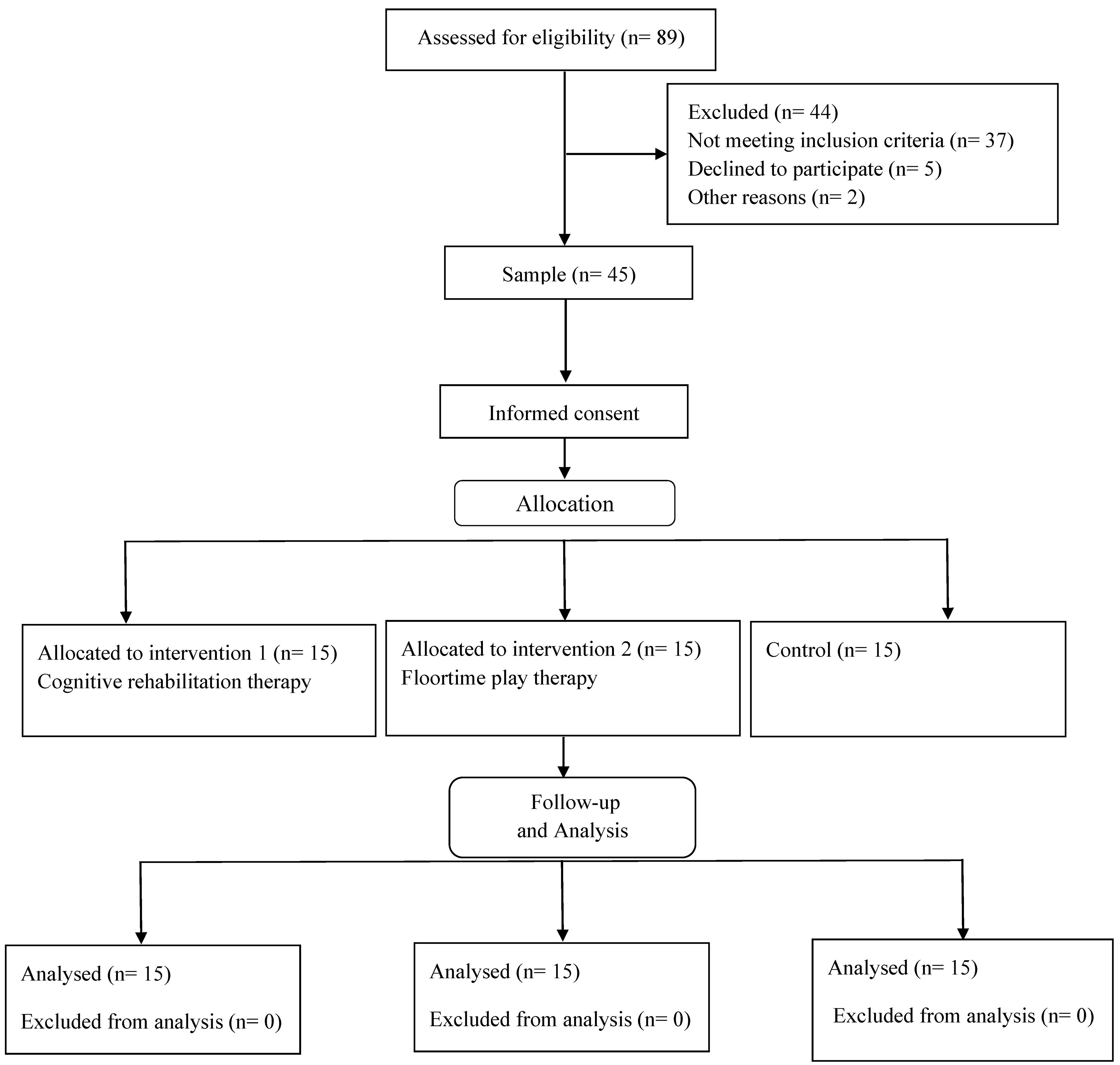
Figure 1. The figure shows the CONSORT flow diagram of the participants.
2.3. Procedure
After obtaining research approval, the researcher approached one of the psychological counseling centers in Tehran, Iran. To determine the sample, the researcher initially identified 51 students with ADHD who met the inclusion criteria using a convenience sampling method at this center. Through a screening process conducted by the researcher, mothers completed the time perception questionnaire, and the researcher identified 48 children who obtained the lowest scores on the time perception questionnaire based on the instrument’s instructions. Following attrition, 45 children were included in the study. These children were then randomly assigned to three groups (15 in the cognitive rehabilitation group, 15 in the Floortime play therapy group, and 15 in the control group). A pre-test was conducted by the researcher in all three groups, followed by a 20-session, 45-minute cognitive rehabilitation program ( 24 ) three times a week for the first experimental group, and a 20-session, 45-minute Floortime play therapy program ( 25 ) three times a week for the second experimental group. The control group did not receive any intervention. A summary of the intervention sessions is presented in Tables 1 and 2. It is important to note that all three groups received baseline medication. Post-tests were then administered by the researcher to all three groups. To determine the durability of the treatment effects, the tests were administered again by the researcher after two months. To ensure ethical considerations, the results were reported in aggregate form, and information about the study was provided to parents and children in advance by the researcher. They were given the right to withdraw from the study, and informed consent was obtained.
| Sessions | Content |
|---|---|
| 1 | Alternating attention and time perception; Focus on shifting attention between tasks and understanding the passage of time. |
| 2 & 3 | Central processing speed; Improve the speed at which information is processed. |
| 4 | Conceptual reasoning; Develop the ability to think abstractly and solve problems. |
| 5 | Divided attention and time perception; Practice attending to multiple stimuli simultaneously while maintaining awareness of time. |
| 6 & 7 | Fine motor control; Improve dexterity and coordination. |
| 8 | Fine motor speed; Enhance the speed of fine motor movements. |
| 9 | Selective attention and time perception; Focus on specific stimuli while ignoring distractions and understanding the passage of time. |
| 10 | Short-term memory; Improve the ability to hold information in mind for a short period. |
| 11 | Response inhibition; Control impulsive behaviors and delay gratification. |
| 12 | Selective attention and emotion regulation; Focus on specific stimuli while ignoring distractions and manage emotions effectively. |
| 13 | Sustained attention; Maintain attention on a task for a prolonged period. |
| 14 | Visual perception; Develop the ability to interpret visual information. |
| 15 | Visual processing; Improve the efficiency of processing visual information. |
| 16 | Visual scanning; Develop the ability to systematically search a visual field. |
| 17 | Visual tracking; Follow a moving visual target. |
| 18 | Visual-spatial categorization and emotion regulation; Categorize objects based on visual and spatial attributes and manage emotions effectively. |
| 19 | Visual-spatial sequencing; Arrange visual stimuli in a specific order. |
| 20 | Working memory and time perception; Hold information in mind while performing other tasks and understand the passage of time. |
| Sessions | Content |
|---|---|
| 1 | Therapist and mother introduction; description of the treatment process for the mother; answering the mother’s questions and doubts; conducting a pre-test. |
| 2 | Observation of mother-child interaction; identifying strengths and weaknesses of each. |
| 3 | Therapist joins the mother and engages in interactive activities appropriate to the child’s developmental level and sensory-emotional regulation. |
| 4 | Mother conducts Floortime therapy during the session, and the therapist corrects any potential errors and assigns homework for Floortime activities at home. |
| 5 | Creating a free and playful environment for the child, tailored to their sensory, emotional, and behavioral needs, and experiencing intimacy, interaction, and unstructured play with the child while recording sensory-emotional reactions and setting a timer to help the child understand the concept of time. |
| 6 | Accompanying the child in all their movements, from gross to fine motor skills, with a focus on shared experience and providing maximum attention and response to the child’s actions. |
| 7 | Focus on the continuity and expansion of interactions. Strive for appropriate emotional experiences in even the simplest exchanges. In other words, pay attention to both the number of reciprocal exchanges and the depth of emotional experience. |
| 8 | Allow the child maximum freedom to express their desires within the therapy room, such as choosing a location, sitting position, distance, and body posture (e.g., lying down, rolling), and accompanying them in these movements. |
| 9 | Allow the child to explore and be curious, paying close attention to when the play begins and ends, and the duration of play for the child. |
| 10 | Engage in playful and soothing finger play while holding the child, paying attention to the child’s comfort level and understanding the duration of interaction. |
| 11 | Gently stroke the child’s fingers, neck, and face during moments of high excitement, paying attention to nonverbal and verbal cues, and providing appropriate responses based on the child’s sensory-emotional state. |
| 12 | Exaggerate symbolic actions such as eating, talking on the phone, bathing, dressing, and falling to attract attention and encourage verbal and nonverbal communication. Use exaggerated expressions and gestures to mark the end of the play activity. |
| 13 | Repeat similar movements that the child initiates, such as running, falling, and using appropriate verbal and nonverbal cues to create synchrony, attract attention, establish eye contact, and foster closeness. |
| 14 | Create simple obstacles and practice problem-solving within the child’s tolerance level, and mark the end of the activity. |
| 15 | Engage in symbolic play activities that involve understanding past and future events, such as going to school or taking a bath. Use a cheerful and playful tone, encouraging verbal and nonverbal interactions, and reinforcing verbal responses. |
| 16 | Design multi-step motor activities tailored to the child’s interests, encouraging active participation and problem-solving. Use separate objects and tools to achieve a desired goal within a specific time frame determined by the child. |
| 17 | Use symbolic play with animal figurines and dolls to convey feelings of hunger, pain, or the need for help. Encourage the child to seek help and plan actions before acting. Promote active participation and behavioral organization. |
| 18 | Practice bridging two or more events in the past and future (e.g., soon, later, morning to evening) through verbal and nonverbal expressions and actions performed by dolls. Discuss the passage of time, causes, and effects, and pay attention to reciprocal interactions and emotional connections. |
| 19 | Symbolically seek the child’s attention and help in a calm and nurturing manner, using verbal and nonverbal cues. Request massages, symbolic food, and engage in question-and-answer sessions. Provide positive reinforcement and emotional feedback. Encourage the child to role-play as a parent, doctor, or driver. |
| 20 | Review the child’s progress with the mother, summarize previous sessions, and administer the post-test. |
2.4. Instrument
The Time Questionnaire for Children (TQC): TQC, developed by Quartier ( 26 ) is designed to assess children’s time perception and identify the dimensions of time perception disorders in problems such as ADHD in children aged 6 to 13 years. The questionnaire consists of 34 items. The scoring method is a two-point Likert scale (1 for the expected response to the question, 0 otherwise), with a minimum score of 0 and a maximum score of 34. The questionnaire has five subscales: time orientation (4 items), temporal sequence (6 items), objective durations (10 items), subjective duration (5 items), and planning (9 items). The questionnaire is administered by a parent, teacher, or caregiver who reads the questions to the child, and the child marks the answers according to the options. Nazari and colleagues (27) established the content validity of the Persian version of the Time Questionnaire for Children (TQC) through expert review, reporting a Content Validity Index (CVI) of 0.89 and a Content Validity Ratio (CVR) of 0.88. The scale also demonstrated high reliability, with a Cronbach’s alpha of 0.77 ( 27 ).
2.5. Data Analysis
Data were analyzed using repeated measures analysis of variance (ANOVA) with Bonferroni post hoc tests to identify significant differences between groups at a significance level of α=0.05. Prior to conducting ANOVA, several preliminary analyses were performed. Descriptive statistics, including mean and standard deviation, were calculated for each group at each time point (pre-test, post-test, and follow-up). To assess the normality of data distribution within each group, Shapiro-Wilk tests were conducted. Homogeneity of variance was assessed using Levene’s test. Paired samples t-tests were used to compare baseline characteristics between groups. Chi-square tests were used to examine the distribution of categorical variables between groups. Statistical analyses were conducted using SPSS version 27.
3. Results
In this study, 45 students diagnosed with ADHD were randomly assigned to three groups: cognitive rehabilitation (n=15, 4 girls and 11 boys), Floortime play therapy (n=15, 5 girls and 10 boys), and a control group (n=15, 5 girls and 10 boys). A chi-square test revealed no significant difference in gender distribution across the three groups (P=0.902). The mean age (standard deviation) of participants in the cognitive rehabilitation group was 9.13 (1.19) years, in the Floortime play therapy group was 9.0 (1.21) years, and in the control group was 8.8 (0.86) years. A one-way ANOVA revealed no significant difference in mean age across the three groups (F=0.39, P=0.680). Regarding educational level, in the cognitive rehabilitation group, 5 participants were in the second grade, 6 in the third grade, and 4 in the fourth grade or above. In the Floortime play therapy group, 6 participants were in the second grade, 6 in the third grade, and 3 in the fourth grade or above. In the control group, 6 participants were in the second grade, 7 in the third grade, and 2 in the fourth grade or above. A chi-square test indicated no significant difference in educational level distribution across the groups (P=0.902).
Table 3 presents the mean, standard deviation of components, and total scores of time perception for participants in each group at pre-test, post-test, and follow-up stages. Table 3 showed that the mean score for time perception components and the total time perception score increased in both experimental groups at post-test and follow-up stages. The results of the study, presented as mean±SD, revealed changes in time perception across three groups: cognitive rehabilitation, Floortime play therapy, and a control group. For time orientation, pre-test scores were similar across groups (cognitive rehabilitation: 1.27±0.88; Floortime: 1.20±0.94; Control: 1.20±1.08). Post-test scores showed increases in both intervention groups (Cognitive rehabilitation: 2.47±0.98; Floortime: 2.27±1.03) compared with the control group (1.13±0.92), with these gains largely maintained at follow-up (Cognitive rehabilitation: 2.45±0.83; Floortime: 2.13±0.99; Control: 1.27±0.87). Temporal sequence scores exhibited notable improvements in the intervention groups across the study phases. At baseline, the scores were as follows: Cognitive Rehabilitation (1.60±1.12), Floortime (1.73±1.03), and Control (1.40±1.06). By the post-intervention assessment, these scores increased to 3.67±1.05 (Cognitive Rehabilitation), 3.47±1.13 (Floortime), and 1.67±1.05 (Control). At follow-up, further stabilization or slight improvement was observed, with scores of 3.80±1.08 (Cognitive Rehabilitation), 3.40±1.06 (Floortime), and 1.73±1.03 (Control). Comparable trends were observed for objective duration measures. At pre-test, the values were 2.93±1.22 (Cognitive Rehabilitation), 3.27±1.39 (Floortime), and 3.40±1.42 (Control); these improved at post-test to 6.07±1.10, 5.00±0.85, and 3.61±1.50, respectively, and at follow-up to 6.00±1.26, 4.53±1.13, and 3.33±1.22. Similarly, subjective duration scores followed a parallel pattern, with pre-test values of 1.53±0.99 (Cognitive Rehabilitation), 1.73±1.10 (Floortime), and 1.78±0.88 (Control), increasing at post-test to 3.07±1.03, 2.93±1.09, and 1.67±1.18, respectively, and at follow-up to 3.00±1.07, 2.53±1.06, and 1.48±0.92. Planning scores also increased in the intervention groups from pre-test (Cognitive rehabilitation: 3.60±1.72; Floortime: 3.13±1.55; Control: 3.47±1.77) to post-test (Cognitive rehabilitation: 5.33±1.18; Floortime: 4.93±1.21; Control: 3.13±0.83) and were maintained at follow-up (Cognitive rehabilitation: 5.20±1.01; Floortime: 5.20±1.16; Control: 3.20±1.15). Finally, total time perception scores showed substantial increases in the intervention groups from pre-test (Cognitive rehabilitation: 10.93±2.66; Floortime: 11.07±2.25; Control: 11.20±2.54) to post-test (Cognitive rehabilitation: 21.70±2.61; Floortime: 18.60±2.44; Control: 11.31±2.83), with scores remaining elevated at follow-up (Cognitive rehabilitation: 20.47±2.03; Floortime: 17.67±2.89; Control: 11.07±2.33).
| Variables | Phases | Cognitive rehabilitation group | Floortime play therapy group | Control group | P (between-group) |
|---|---|---|---|---|---|
| Mean±SD | Mean±SD | Mean±SD | |||
| Time orientation | Pre-test | 1.27±0.88 | 1.20±0.94 | 1.20±1.08 | 0.823 |
| Post-test | 2.47±0.98 | 2.27±1.03 | 1.13±0.92 | 0.001 | |
| Follow-up | 2.45±0.83 | 2.13±0.99 | 1.27±0.87 | 0.001 | |
| P (within-group) | 0.001 | 0.005 | 0.840 | - | |
| Temporal sequence | Pre-test | 1.60±1.12 | 1.73±1.03 | 1.40±1.06 | 0.607 |
| Post-test | 3.67±1.05 | 3.47±1.13 | 1.67±1.05 | 0.001 | |
| Follow-up | 3.80±1.08 | 3.40±1.06 | 1.73±1.03 | 0.001 | |
| P (within-group) | 0.001 | 0.001 | 0.472 | - | |
| Objective durations | Pre-test | 2.93±1.22 | 3.27±1.39 | 3.40±1.42 | 0.327 |
| Post-test | 6.07±1.10 | 5.00±0.85 | 3.61±1.50 | 0.001 | |
| Follow-up | 6.00±1.26 | 4.53±1.13 | 3.33±1.22 | 0.001 | |
| P (within-group) | 0.001 | 0.001 | 0.684 | - | |
| Subjective duration | Pre-test | 1.53±0.99 | 1.73±1.10 | 1.78±0.88 | 0.451 |
| Post-test | 3.07±1.03 | 2.93±1.09 | 1.67±1.18 | 0.003 | |
| Follow-up | 3.00±1.07 | 2.53±1.06 | 1.48±0.92 | 0.001 | |
| P (within-group) | 0.001 | 0.005 | 0.766 | - | |
| Planning | Pre-test | 3.60±1.72 | 3.13±1.55 | 3.47±1.77 | 0.831 |
| Post-test | 5.33±1.18 | 4.93±1.21 | 3.13±0.83 | 0.001 | |
| Follow-up | 5.20±1.01 | 5.02±1.16 | 3.20±1.15 | 0.001 | |
| P (within-group) | 0.002 | 0.001 | 0.480 | - | |
| Time perception (total) | Pre-test | 10.93±2.66 | 11.07±2.25 | 11.20±2.54 | 0.771 |
| Post-test | 21.70±2.61 | 18.60±2.44 | 11.31±2.83 | 0.001 | |
| Follow-up | 20.47±2.03 | 17.67±2.89 | 11.07±2.33 | 0.001 | |
| P (within-group) | 0.001 | 0.001 | 0.903 | - | |
| SD: Standard Deviation | |||||
The results of repeated-measures ANOVA revealed a significant interaction effect of group × time for time orientation (P=0.013), temporal sequence (P=0.005), objective durations (P=0.001), subjective duration (P=0.007), planning (P=0.005), and total time perception score (P=0.001). Table 4 presents the results of Bonferroni post hoc tests comparing the effects of time and group. The results indicated significant differences in time perception scores between post-test and follow-up stages for all components and the total score. Additionally, both cognitive rehabilitation and Floortime play therapy groups significantly outperformed the control group on all time perception components and the total score. While the two intervention groups differed significantly in their impact on objective duration, no significant differences were found for other components or the total score.
| Variable | Phases | Groups | Mean difference | SE | P |
|---|---|---|---|---|---|
| Time orientation | Post-test | Cognitive rehabilitation - Floortime play therapy | -0.20 | 0.37 | 0.590 |
| Cognitive rehabilitation - Control | -1.34 | 0.35 | 0.001 | ||
| Floortime play therapy - Control | -1.14 | 0.36 | 0.003 | ||
| Follow-up | Cognitive rehabilitation - Floortime play therapy | -0.32 | 0.33 | 0.346 | |
| Cognitive rehabilitation - Control | -1.18 | 0.31 | 0.001 | ||
| Floortime play therapy - Control | -0.86 | 0.34 | 0.017 | ||
| Temporal sequence | Post-test | Cognitive rehabilitation - Floortime play therapy | 0.20 | 0.40 | 0.620 |
| Cognitive rehabilitation - Control | -2.00 | 0.38 | 0.001 | ||
| Floortime play therapy - Control | -1.80 | 0.40 | 0.001 | ||
| Follow-up | Cognitive rehabilitation - Floortime play therapy | -0.40 | 0.39 | 0.315 | |
| Cognitive rehabilitation - Control | 2.07 | 0.39 | 0.001 | ||
| Floortime play therapy - Control | -1.67 | 0.38 | 0.001 | ||
| Objective durations | Post-test | Cognitive rehabilitation - Floortime play therapy | -1.07 | 0.36 | 0.006 |
| Cognitive rehabilitation - Control | -2.46 | 0.48 | 0.001 | ||
| Floortime play therapy - Control | -1.39 | 0.45 | 0.004 | ||
| Follow-up | Cognitive rehabilitation - Floortime play therapy | -1.47 | 0.44 | 0.002 | |
| Cognitive rehabilitation - Control | -2.67 | 0.45 | 0.001 | ||
| Floortime play therapy - Control | -1.20 | 0.43 | 0.009 | ||
| Subjective duration | Post-test | Cognitive rehabilitation - Floortime play therapy | -0.14 | 0.39 | 0.720 |
| Cognitive rehabilitation - Control | -1.40 | 0.40 | 0.002 | ||
| Floortime play therapy - Control | -1.26 | 0.42 | 0.005 | ||
| Follow-up | Cognitive rehabilitation - Floortime play therapy | -0.47 | 0.39 | 0.237 | |
| Cognitive rehabilitation - Control | -1.52 | 0.36 | 0.001 | ||
| Floortime play therapy - Control | -1.05 | 0.36 | 0.007 | ||
| Planning | Post-test | Cognitive rehabilitation - Floortime play therapy | 0.40 | 0.44 | 0.367 |
| Cognitive rehabilitation - Control | -2.20 | 0.37 | 0.001 | ||
| Floortime play therapy - Control | -1.80 | 0.38 | 0.001 | ||
| Follow-up | Cognitive rehabilitation - Floortime play therapy | 0.18 | 0.40 | 0.654 | |
| Cognitive rehabilitation - Control | -2.00 | 0.40 | 0.001 | ||
| Floortime play therapy - Control | -1.82 | 0.42 | 0.001 | ||
| Time perception (total) | Post-test | Cognitive rehabilitation - Floortime play therapy | -3.10 | 0.93 | 0.072 |
| Cognitive rehabilitation - Control | -10.39 | 1.00 | 0.001 | ||
| Floortime play therapy - Control | -7.29 | 0.97 | 0.001 | ||
| Follow-up | Cognitive rehabilitation - Floortime play therapy | -2.80 | 0.91 | 0.074 | |
| Cognitive rehabilitation - Control | -9.40 | 0.80 | 0.001 | ||
| Floortime play therapy - Control | -6.60 | 0.96 | 0.001 | ||
| SE: Standard Error | |||||
4. Discussion
This study aimed to evaluate the effectiveness of cognitive rehabilitation and Floortime play therapy on time perception in students with ADHD. The findings revealed a significant improvement in overall time perception scores and its components in the experimental group compared with the control group. These results substantiated the efficacy of the cognitive rehabilitation program in enhancing time perception and its constituent elements. Moreover, the observed improvements persisted during the two-month follow-up period. The current findings aligned with previous research ( 15 , 16 ).
Given that ADHD is a neuropsychiatric disorder ( 28 ), family histories, genetic profiling, and neuroimaging studies provided robust evidence for the biological underpinnings of ADHD in children ( 2 , 3 ). Multiple brain regions and neurotransmitters have been implicated in the manifestation of ADHD symptoms ( 29 ). Therefore, interventions that stimulate brain activity may be beneficial for improving outcomes in students with ADHD. Consistent with this notion, research by Puiu and co-workers ( 30 ) highlighted the role of the basal ganglia, prefrontal cortex, and cerebellum in time perception. These regions, which are affected in ADHD, play a crucial role in cognitive functions such as working memory and attention. Cognitive rehabilitation using the Cognigrams software, with its targeted exercises designed to enhance working memory, attention, and consequently, time perception, can effectively address these deficits ( 15 ). The software’s graded progression from easy to difficult tasks activates the brain regions associated with time perception, thereby improving working memory, attention, and various aspects of time perception, including time prediction, time to goal, and temporal orientation ( 11 ). Moreover, the rewarding nature of the program, such as progressing through defined levels and acquiring new skills, can motivate children to continue engaging in the intervention. This sustained engagement can further enhance brain functions related to time perception in students with ADHD ( 14 ).
Furthermore, the results indicated a significant increase in the mean scores for time perception and its components in the experimental group compared with the control group. These findings suggested that Floortime play therapy was effective in improving time perception and its related components. Moreover, the observed improvements were sustained during the two-month follow-up period. The results of this study aligned with those of Kazemi and colleagues ( 22 ).
Given the challenges faced by students with ADHD in adhering to structured classroom-based learning and social-cognitive skills training, and the often limited efficacy of these traditional approaches, there is a growing interest in alternative interventions that align with children’s natural preferences, such as free play in nature. This is because nature-based interventions, like Floortime play therapy, have been shown to effectively manage and reduce ADHD symptoms ( 31 ). Experiencing nature during childhood fosters a connection with the natural world and facilitates direct learning from it ( 32 ). Through Floortime play therapy, conducted with parental involvement, children learn to mark time in the natural world, using the sun, moon, and other natural phenomena as temporal cues. Therapists also incorporate time-based activities into the play sessions, reinforcing the concept of time limits through positive reinforcement. This encourages children to voluntarily attend to time constraints and complete tasks within specified timeframes, thereby enhancing their time perception skills ( 18 ). Thus, Floortime play therapy appears to be a promising intervention for improving time perception in students with ADHD.
Data analysis revealed a significant difference between cognitive rehabilitation and Floortime play therapy in improving the objective durations component of time perception. However, no significant differences were found between the two intervention methods on other components or the total time perception score. Therefore, it can be concluded that there was no significant difference in the effectiveness of cognitive rehabilitation and Floortime play therapy in enhancing time perception in students with ADHD. These findings were also maintained during the two-month follow-up period.
As demonstrated in previous research, children require a range of abilities, including time perception, appropriate behavior, and executive functions, to engage in adaptive and goal-directed behaviors (16, 22). These abilities are closely tied to the neural integrity of the prefrontal cortex. Given that neurological deficits in students with ADHD can lead to significant challenges in various domains of life, such as academic performance, social interactions, and increased risk of poor family relationships, anxiety, and depression in adulthood, timely and tailored interventions are crucial ( 33 ). Cognitive rehabilitation, which involves real-time interactions with computer-generated virtual environments ( 11 ), transforms passive learning experiences into active ones. This immersive nature of virtual reality can provide students with ADHD a sense of engagement in problem-solving, making it a promising tool for enhancing their understanding of critical concepts like time and its effective use. By actively engaging children in learning experiences, cognitive rehabilitation immerses them in real-world concepts such as time perception, prediction, and goal-directed behavior. This, in turn, can significantly improve time perception in students with ADHD ( 13 ). Consequently, cognitive rehabilitation emerges as a valuable therapeutic approach in this context.
4.1. Limitations
The sample size of 45 participants, presents a limitation regarding the generalizability of the findings to the broader population of children with ADHD. A larger sample size would further increase the statistical power and precision of the estimates, providing stronger evidence for the observed effects and enhancing the generalizability of the results. Specifically, a larger sample would have reduced the margin of error and provided a more stable estimate of the population parameters. Furthermore, the use of convenience sampling introduces potential selection bias. Participants were recruited from a single psychological counseling center in Tehran, Iran, which may not be representative of all children with ADHD. Children attending this particular center may differ systematically from children with ADHD in other settings (e.g., other cities, different types of clinics, or those receiving school-based services) in terms of socioeconomic status, symptom severity, comorbid conditions, or access to resources. This limited the diversity of the sample and restricts the extent to which the findings can be generalized to children with ADHD outside of this specific context. For instance, the center might attract families with higher levels of parental involvement or those with more severe ADHD symptoms who are actively seeking professional help. This could result in an overrepresentation of a specific subtype of ADHD, further limiting generalizability. The sampling strategy employed to select participants based on lower scores on TQC, while intended to focus the intervention on those most likely to benefit, also introduces a potential limitation. By excluding children with higher time perception scores, the study findings cannot be generalized to the full spectrum of time perception abilities in the ADHD population. This selection criterion created a more homogenous sample in terms of baseline time perception abilities, which limits the ability to determine if the interventions are effective for children with less severe time perception difficulties, while increasing the likelihood of observing within-group changes following the intervention.
5. Conclusions
The results of this study demonstrated that both interventions were significantly more effective than the control group in enhancing time perception and its constituent components. This suggests that both cognitive rehabilitation and Floortime play therapy can be promising interventions for addressing time perception deficits in students with ADHD. Notably, no significant difference was observed between the effectiveness of the two interventions. This finding implies that both approaches may be equally beneficial for improving time perception in students with ADHD. The stability of the effects at the two-month follow-up indicates the potential long-lasting impact of these interventions. Further research is warranted to explore the underlying mechanisms of action of these interventions on time perception. Additionally, larger-scale studies with diverse samples are needed to generalize the findings and to investigate the potential moderating and mediating factors that may influence the efficacy of these interventions.
Acknowledgement
This article was extracted from a part of the PhD dissertation of Ms. Zohreh Ghasemi Mehrabadi in the Department of Psychology, Ahvaz Branch, Islamic Azad University, Ahvaz, Iran. The authors would like to appreciate the collaboration of all participants in the present study.
Authors’ Contribution
Zohreh Ghasemi Mehrabadi: Contributed substantially to the conception and design of the study and the interpretation of data; drafted the manuscript and critically reviewed it for important intellectual content. Sahar Safarzadeh: Contributed substantially to the methodology development and data analysis; critically reviewed the manuscript for important intellectual content. Parvin Ehteshamzadeh: Contributed substantially to data collection, management, and analysis; critically reviewed the manuscript for important intellectual content. Zahra Dasht Bozorgi: Provided substantial clinical insight and expertise during the study design and contributed substantially to the interpretation of data and the discussion section; critically reviewed and edited the manuscript for clarity and coherence. All authors have read and approved the final manuscript and agree to be accountable for all aspects of the work, such that the questions related to the accuracy or integrity of any part of the work.
Conflict of Interest
None declared.
Funding
None.
Ethical Approval
The research was approved by the Ethics Committee of Islamic Azad University-Ahvaz Branch, Ahvaz, Iran with the code of IR.IAU.AHVAZ.REC.1403.127. Also, written informed consent was obtained from the participants.
References
- Khare SK, Acharya UR. An explainable and interpretable model for attention deficit hyperactivity disorder in children using EEG signals. Comput Biol Med. 2023; 155:106676. DOI | PubMed
- Mowlem F, Agnew-Blais J, Taylor E, Asherson P. Do different factors influence whether girls versus boys meet ADHD diagnostic criteria? Sex differences among children with high ADHD symptoms. Psychiatry Res. 2019; 272:765-773. Publisher Full Text | DOI | PubMed [ PMC Free Article ]
- Najafzadeh F, Shafaei H, Alizadeh S, Dana A. Correlations between Physical Activity Participation and Anthropometric Features with Gross and Fine Motor Skills in School Children with Attention Deficit Hyperactivity Disorder. Int J School Health. 2024; 11(3):209-15. DOI
- Soler-Gutiérrez AM, Pérez-González JC, Mayas J. Evidence of emotion dysregulation as a core symptom of adult ADHD: A systematic review. PLoS One. 2023; 18(1):e0280131. Publisher Full Text | DOI | PubMed [ PMC Free Article ]
- Weissenberger S, Schonova K, Büttiker P, Fazio R, Vnukova M, Stefano GB, et al. Time Perception is a Focal Symptom of Attention-Deficit/Hyperactivity Disorder in Adults. Med Sci Monit. 2021; 27:e933766. Publisher Full Text | DOI | PubMed [ PMC Free Article ]
- Ptacek R, Weissenberger S, Braaten E, Klicperova-Baker M, Goetz M, Raboch J, et al. Clinical Implications of the Perception of Time in Attention Deficit Hyperactivity Disorder (ADHD): A Review. Med Sci Monit. 2019; 25:3918-3924. Publisher Full Text | DOI | PubMed [ PMC Free Article ]
- Faraone SV, Bellgrove MA, Brikell I, Cortese S, Hartman CA, Hollis C, et al. Attention-deficit/hyperactivity disorder. Nat Rev Dis Primers. 2024; 10(1):11. DOI | PubMed
- Lee H-Y, Yang E-L. Exploring the Effects of Working Memory on Time Perception in Attention Deficit Hyperactivity Disorder. Psychol Rep. 2019; 122(1):23-35. DOI | PubMed
- Zheng Q, Wang X, Chiu KY, Shum KK. Time Perception Deficits in Children and Adolescents with ADHD: A Meta-analysis. J Atten Disord. 2022; 26(2):267-281. DOI | PubMed
- Champ RE, Adamou M, Tolchard B. The impact of psychological theory on the treatment of Attention Deficit Hyperactivity Disorder (ADHD) in adults: A scoping review. PLoS One. 2021; 16(12):e0261247. Publisher Full Text | DOI | PubMed [ PMC Free Article ]
- Tajik-Parvinchi D, Wright L, Schachar R. Cognitive Rehabilitation for Attention Deficit/Hyperactivity Disorder (ADHD): Promises and Problems. J Can Acad Child Adolesc Psychiatry. 2014; 23(3):207-17. Publisher Full Text | PubMed [ PMC Free Article ]
- Ebrahimi M, Baezzat F, Nejati V, Hashemi S. Effectiveness of Hesabyar Cognitive Rehabilitation on Neuropsychological Functions of Children with Special Learning Disabilities. Int J School Health. 2022; 9(4):249-256. DOI
- Wiest GM, Rosales KP, Looney L, Wong EH, Wiest DJ. Utilizing Cognitive Training to Improve Working Memory, Attention, and Impulsivity in School-Aged Children with ADHD and SLD. Brain Sci. 2022; 12(2):141. Publisher Full Text | DOI | PubMed [ PMC Free Article ]
- Barati Z, Sepahmansour M, Radfar S. Comparison of the Effectiveness of Virtual Reality-based Cognitive Rehabilitation with Classical Cognitive Rehabilitation on Improving Executive Function in Children with Attention Deficit-Hyperactivity Disorder. J Arak Uni Med Sci. 2021; 24(5):688-703. DOI
- Moradi N, Rajabi S, Mansouri Nejad A. The effect of neurofeedback training combined with computer cognitive games on the time perception, attention, and working memory in children with ADHD. Appl Neuropsychol Child. 2024; 13(1):24-36. DOI | PubMed
- Bagheri A, kordestani d, Goodarzi K. Comparison of cognitive rehabilitation, mother training by Barkley`s method and medication therapeutic effect on time perception in student with attention deficit disorder 09-12 years. Journal of School Psychology and Institutions. 2023; 12(4):22-35. DOI
- Olashore A, Akanni OO, Ogunjumo J, Swetha J. Acceptability of Orthodox Treatment of Attention Deficit Hyperactivity Disorder and its Associated Factors among Primary School Teacher in Botswana. Int J School Health. 2019; 6(4):7-13. DOI
- Boshoff K, Bowen H, Paton H, Cameron-Smith S, Graetz S, Young A, et al. Child Development Outcomes of DIR/Floortime TM-based Programs: A Systematic Review. Can J Occup Ther. 2020; 87(2):153-164. DOI | PubMed
- Divya KY, Begum F, John SE, Francis F. DIR/Floor Time in Engaging Autism: A Systematic Review. Iran J Nurs Midwifery Res. 2023; 28(2):132-138. Publisher Full Text | DOI | PubMed [ PMC Free Article ]
- Roghani F, Jadidi M, Peymani J. The Effectiveness of Floortime Play Therapy on Improving Executive Functions and Cognitive Emotion Regulation in Children with Attention Deficit / Hyperactivity Disorder (ADHD). International Journal of Education and Cognitive Sciences. 2022; 2(4):30-44. DOI
- Bodaghi M, Pirani Z, Taghvaei D. The Effectiveness Floor Time Play Therapy on Emotion Management, Self-Control, and Executive Functions in Students with Attention Deficit/Hyperactivity Disorder. Journal of Research in Behavioural Sciences. 2021; 19(3):381-91. DOI
- Kazemi N, Kooshki S, Emamipur S. A Comparison of the Effectiveness of Mindfulness-Based Cognitive Therapy and Cognitive-Behavioral Play Therapy in Improving the Time Perception of Children with Attention Deficit Hyperactivity Disorder (ADHD). Journal of Applied Family Therapy. 2021; 2(1):200-219. Persian
- Serdar CC, Cihan M, Yücel D, Serdar MA. Sample size, power and effect size revisited: simplified and practical approaches in pre-clinical, clinical and laboratory studies. Biochem Med (Zagreb). 2021; 31(1):010502. Publisher Full Text | DOI | PubMed [ PMC Free Article ]
- Ghazisaeedi M, Shahmoradi L, Niakan Kalhori SR, Bashiri A. Management of Computerized Cognitive Training Programs in Children with ADHD: The Effective Role of Decision Support Systems. Iran J Public Health. 2018; 47(10):1611-1612. Publisher Full Text | PubMed [ PMC Free Article ]
- Greenspan S, Wieder S. Engaging autism: Using the floortime approach to help children relate, communicate, and think; 2003.
- Quartier V. Temporality development: Theory and instrument to measure notional time in children. Approche Neuropsychologique des Apprentissages chez l’Enfant. 2008; 20(100):345-52. French
- Nazari MA, Vahedi S, Roshandel Rad M. Developmental Study on Time Perception in 7-12 Year-old Children and the Corresponding Role of Attention. Advances in Cognitive Sciences. 2016; 18(1):14-21. Persian
- Faraone SV, Radonjić NV. Neurobiology of Attention Deficit Hyperactivity Disorder. In: Tasman A, editors. Tasman’s Psychiatry. Tasman’s Psychiatry Cham: Springer International Publishing; 2020.
- Zhang L, Li L, Andell P, Garcia-Argibay M, Quinn PD, D’Onofrio BM, et al. Attention-Deficit/Hyperactivity Disorder Medications and Long-Term Risk of Cardiovascular Diseases. JAMA Psychiatry. 2024; 81(2):178-187. Publisher Full Text | DOI | PubMed [ PMC Free Article ]
- Puiu AA, Wudarczyk O, Goerlich KS, Votinov M, Herpertz-Dahlmann B, Turetsky B, et al. Impulsive aggression and response inhibition in attention-deficit/hyperactivity disorder and disruptive behavioral disorders: Findings from a systematic review. Neurosci Biobehavi Rev. 2018; 90:231-246. DOI | PubMed
- Zhao D, Zhang J. The effects of working memory training on attention deficit, adaptive and non-adaptive cognitive emotion regulation of Chinese children with Attention Deficit/Hyperactivity Disorder (ADHD). BMC Psychol. 2024; 12(1):59. Publisher Full Text | DOI | PubMed [ PMC Free Article ]
- Tababaienavainobari P, solymani m, Shalchi B. Comparison of the Effectiveness of Pivotal Response Treatment and Applied Behavioral Analysis on the Symptoms Severity and Executive Functions in Autistic Children. Shefaye Khatam. 2021; 9(2):22-34. DOI Persian
- Drechsler R, Brem S, Brandeis D, Grünblatt E, Berger G, Walitza S. ADHD: Current Concepts and Treatments in Children and Adolescents. Neuropediatrics. 2020; 51(5):315-335. Publisher Full Text | DOI | PubMed [ PMC Free Article ]

