
1. Introduction
Schools are recognized as vital environments for societal transformation through the enhancement of individual and collective capacities aimed at improving students’ lives ( 1 ). However, this objective extends beyond merely achieving academic success; it encompasses the cultivation of settings that foster the social, emotional, physical, and cognitive development of students. Within the curriculum and school environment, physical education (PE) provides youth with opportunities to develop motor skills and social competencies, which play a crucial role in their development during school years and beyond ( 2 , 3 ). Consequently, PE can be an integral component of health strategies for youth, as they significantly contribute to the concept of school-centered health and are essential for achieving global sustainable development goals related to health and education ( 4 , 5 ). Since schools are regarded as crucial environments, PE programs play a significant role in promoting physical activity (PA) among youth ( 6 , 7 ). For many students, school-based PE provides an excellent opportunity for physical engagement. However, research indicated that youth, regardless of age or gender, dedicate only one-third of their time to PA ( 5 - 8 ). These findings underscored the significant contribution of physical education in schools to the overall PA levels of students. Consequently, it appears essential to investigate the factors that may influence children’s participation in PA during PE.
Numerous studies investigated the impact of various interventions in PE on students’ motivation and their willingness to engage in PA ( 9 - 11 ). Most of these studies were grounded in theoretical frameworks such as self-determination theory, which emphasizes the significance of motivation in enhancing PA levels. Additionally, other studies focused on the effects of physical and psychological interventions in PE - such as yoga, cognitive-behavioral techniques, social support, and resilience training - on students’ physical and psychological health ( 12 - 16 ). These studies demonstrated that such interventions can improve both physical aspects (such as fitness levels and participation in PA) and psychological aspects (including depression, anxiety, happiness, academic performance) of students. However, mindfulness training, as a psychological intervention, has received less attention in PE.
Mindfulness refers to the capacity of an individual to concentrate their attention on the occurrences, experiences, and conditions of the present moment, encompassing both external and internal aspects ( 17 - 19 ). Research indicated that individuals with higher levels of mindfulness typically experience fewer automatic negative thoughts and feel more empowered to liberate themselves from them ( 17 - 19 ). Furthermore, mindfulness can significantly enhance the well-being of students and bolster their resilience against everyday stressors ( 19 - 21 ). Furthermore, mindfulness practices have proven effective in treating depression during adolescence and alleviating academic stress symptoms in youth ( 18 , 19 , 21 ). In addition to lowering student stress levels, these practices enhance attention and concentration, thereby improving the learning processes of students and subsequently boosting their academic performance ( 22 , 23 ).
The outcomes noted in adults have garnered the interest of psychologists, educators, and researchers in the realm of mindfulness interventions aimed at students, including young individuals and educators, with the objective of improving their overall well-being ( 24 , 25 ). Research in the domain of mindfulness predominantly concentrated on assessing the effects of mindfulness practices on students. Numerous studies demonstrated that young individuals participating in mindfulness training exhibit enhancements in three key domains: overall well-being, cognitive functioning, and social-emotional competencies ( 26 - 28 ). PE is widely recognized as a crucial element of educational curricula, prompting educational systems in numerous countries to focus on the physical, psychological, social, and environmental dimensions of PE. Additionally, it is imperative for students to develop their emotional regulation and social competencies. Within this framework, the amalgamation of cognitive and motor abilities, alongside emotional-motivational skills and interpersonal dynamics, is considered vital. Regarding health-related content, PE should play a significant role in enhancing the physical, psychological, and social welfare of students.
Therefore, given the significance of PE in schools, identifying strategies to enhance the quality of PE is crucial for strengthening students’ motor, psychosocial, and cognitive abilities. Although previous research indicated that mindfulness training has positive effects on the physical and psychological components of both children and adults, this type of training has been less explored within the framework of PE ( 24 - 26 ). Incorporating mindfulness into PE instruction may represent a valuable approach that captures students’ attention and awareness, thereby contributing to their overall development. Therefore, the aim of this study was to explore the impact of mindfulness training in PE on motivation, intention, and physical activity in students.
2. Methods
2.1. Design and Participants
This applied quasi-experimental study incorporated both pre-tests and post-tests with a control group. The statistical population of this study consisted of male high-school students aged between 15 and 18 years in Golestan province, Iran, in 2024. A total of 40 participants were selected through a convenience sampling method from four different schools. Subsequently, the participants were divided into experimental and control groups using a simple random method, each comprising 20 students (Figure 1). The sample size was determined using G*Power software, with a significance level set at 0.05 and a power of 0.95. In the mindfulness group, the mean intention scores at pretest and posttest were 3.05±0.53 and 3.86±0.65, respectively, while the control group exhibited mean scores of 3.11±0.48 and 3.07±0.42, respectively ( 18 ). The inclusion criteria for this study were: 1) being a male high school student, 2) absence of any physical or psychological disorders, 3) no use of specific medications, and 4) no short-term physical or psychological injuries. The participants who failed to adhere to the exercise protocol or requested to withdraw during the study were excluded from the study.
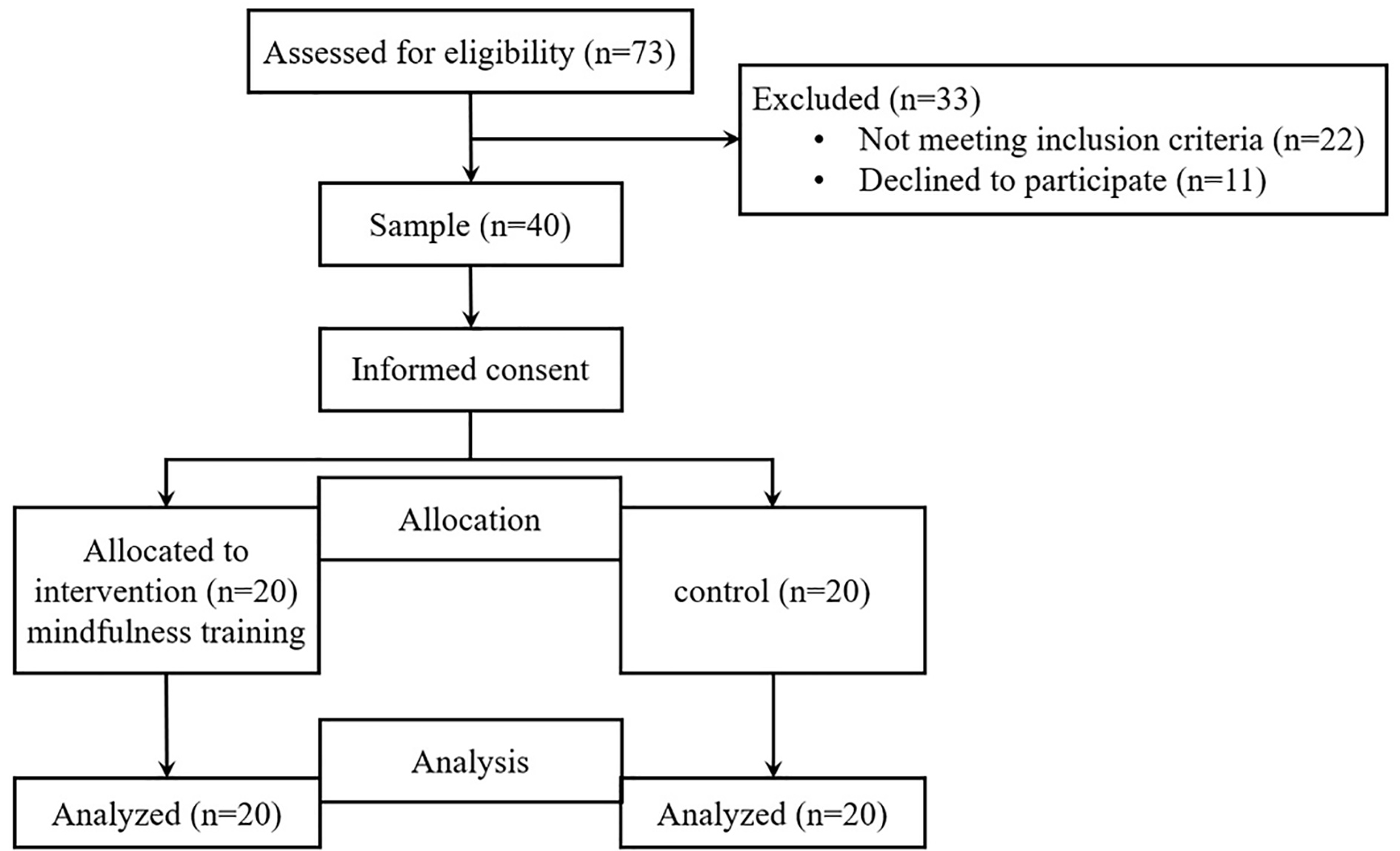
Figure 1. The figure shows the CONSORT flow diagram of the study.
2.2. Measures
The Revised Scale of Sport Motivation ( 29 ) was employed to assess the motivation. This scale consists of 11 items that evaluate varying levels of intrinsic motivation to amotivation. In this study, the dimension of intrinsic motivation, which includes 4 items, was specifically examined. The items of this questionnaire are scored using a 7-point Likert scale. In this study, the validity of this instrument has been confirmed by eight experts, yielding a Content Validity Index (CVI) of 0.92 and a Content Validity Ratio (CVR) of 0.92. Moreover, the reliability of this questionnaire was assessed, yielding a Cronbach’s alpha coefficient of 0.94.
Intention to PA was assessed using the Physical Activity Intention Questionnaire ( 30 ), which has four questions scored on a 5-point Likert scale. In this study, the validity of this instrument has been confirmed by eight experts, yielding a CVI of 0.90 and a CVR of 0.90. Moreover, the reliability of this questionnaire was evaluated, yielding a Cronbach’s alpha coefficient of 0.94.
PA was assessed using a device (i.e., accelerometer). The study participants were instructed to wear the accelerometer continuously on their right thigh for seven days, removing it only during showering, aquatic activities, or sleep. To ensure compliance and proper usage of the accelerometer, regular communication was maintained through phone calls. This device measures the intensity of PA (including light, moderate, and vigorous levels), the duration of such activities, sitting time, and the energy expenditure associated with PA. In this study, the moderate-to-vigorous PA (MVPA) index was used to evaluate PA levels. Upon completion of the monitoring period, the accelerometer data were extracted, processed, and analyzed using the appropriate software.
2.3. Procedure
Initial contact was made with the Department of Education in order to obtain the required approval for the study. Then, a cohort of 73 volunteers was identified. After an initial screening conducted by the researcher and obtaining parental consent, 40 participants were selected and randomly divided into mindfulness and control groups, using a simple random sampling method. Before the commencement of the study, an orientation meeting was held for the students and their parents to provide them with an overview of the study objectives and methodology. The discussions focused on the relationship between PA and health in children, highlighting the importance of PE in promoting these areas. Subsequently, the students underwent health assessments performed by a qualified physician and were issued health certificates. A pre-test, which included questionnaires assessing motivation and intention for PA, along with an accelerometer to measure PA levels, was administered one week prior to the initiation of the training protocol.
2.4. Intervention
The mindfulness group engaged in a mindfulness training program for a duration of 12 weeks (one session per week, totaling 12 sessions). The mindfulness program was integrated into the consecutive 12 PE lessons, each held weekly. In these sessions, in addition to participating in the regular PE exercises led by the PE teacher, students engaged in a series of meditation practices lasting 10 minutes at the end of each class, guided by a professional instructor.
2.5. Data Analysis
The Kolmogorov-Smirnov test was also applied to evaluate the normality of the data distribution. An independent t-test was conducted to compare the baseline data (i.e., pretest) across groups. In addition, a paired t-test was employed to examine the effects of mindfulness training on motivation, intention, and physical activity (PA). All statistical analyses were performed using SPSS version 27, with a significance threshold established at 0.05.
3. Results
The statistical population of this study consisted of male high-school students aged between 15 and 18 years in Golestan province, Iran, in 2024. A total of 40 participants were selected through a convenience sampling method from four different schools. The inclusion criteria were: 1) being male high school students, 2) no physical or psychological disorders, 3) taking no certain medications, and 4) no short-term physical or psychological injuries. The participants who did not comply with the exercise protocol or requested to withdraw from the study was excluded. Demographic data for the groups at the pre-test stage is presented in Table 1. The experimental group, which practiced mindfulness, had a mean age of 16.65±0.36 years, while the control group had a mean age of 16.60±0.30 years. Statistical analysis revealed no significant age difference between the two groups (P=0.729). Additionally, the findings demonstrated that there was no notable difference in body mass index between the mindfulness group and the control group, with both groups reporting a body mass index of 22.30±1.39 (P=0.768).
| Groups | Age | Height | Weight | BMI |
|---|---|---|---|---|
| Mindfulness | 16.65(0.36) | 170.36(3.58) | 64.82(2.36) | 22.30(1.41) |
| Control | 16.60(0.30) | 168.40(3.43) | 63.29(2.47) | 22.30(1.39) |
| Comparison | t=0.201 | t=0.120 | t=0.138 | t=0.165 |
| P=0.729 | P=0.843 | P=0.813 | P=0.768 | |
| BMI: Body Mass Index | ||||
Table 2 provides a comprehensive analysis of the descriptive statistics of the study variables during the pre-test phase, alongside the outcomes of the independent t-test performed to assess differences between the two groups. The results revealed that the motivation levels for the study participants in the mindfulness and control groups were recorded at 3.43±0.23 and 3.45±0.31, respectively, indicating a moderate motivation for PA. The independent t-test results further demonstrate that there were no statistically significant differences between the groups in the pre-test (P=0.968). Additionally, the average scores reflecting the intention to engage in PA were 2.39±0.19 for the mindfulness group and 2.42±0.22 for the control group, which also suggested a moderate intention to participate in PA. Again, no significant differences were found between the groups (P=0.835). Finally, concerning the levels of PA, participants in the mindfulness and control groups reported engaging in MVPA for an average of 22.39±5.73 and 23.45±4.96 minutes per day, respectively, with no significant differences identified between the two groups (P=0.459). The results highlighted that the individuals in this study fall significantly short of the global guidelines, which suggest a minimum of 60 minutes of MPVA for young people.
| Variables | Phase | Group | Between-group comparison | |
|---|---|---|---|---|
| Mindfulness | Control | |||
| M±SD | M±SD | |||
| Motivation | Pretest | 3.43±0.23 | 3.45±0.31 | t=-0.026 |
| P=0.968 | ||||
| Posttest | 4.63±0.34 | 3.50±0.30 | t=4.458 | |
| P<0.001 | ||||
| Within-group comparison | t=-5.638 | t=0.148 | ||
| P<0.001 | P=0.815 | |||
| Intention to physical activity | Pretest | 2.39±0.19 | 2.42±0.22 | t=0.125 |
| P=0.835 | ||||
| Posttest | 3.29±0.24 | 2.44±0.23 | t=4.799 | |
| P<0.001 | ||||
| Within-group comparison | t=6.859 | t=-0.129 | ||
| P<0.001 | P=0.826 | |||
| Moderate-to-vigorous physical activity | Pretest | 22.39±5.73 | 23.45±4.96 | t=0.690 |
| P=0.459 | ||||
| Posttest | 28.24±5.73 | 23.54±4.88 | t=8.961 | |
| P<0.001 | ||||
| Within-group comparison | t=9.552 | t=0.263 | ||
| P<0.001 | P=0.758 | |||
| SD: Standard Deviation | ||||
Table 2 shows posttest scores and the results of the paired t-test. In terms of motivation, the data revealed a significant enhancement in participants’ motivation for PA following their involvement in mindfulness exercises, with an average increase of 1.20 points when compared with the pre-test scores (3.43±0.23 for the pretest and 4.63±0.34 for the posttest, P<0.001). In contrast, the control group exhibited no notable changes in motivation (3.45±0.31 for the pretest and 3.50±0.30 for the posttest, P=0.815). Furthermore, regarding the intention to participate in PA, the results indicated that participants’ intention scores rose by an average of 0.90 points post-mindfulness training compared with the pre-test (2.39±0.19 for the pretest and 3.29±0.24 for the posttest, P<0.001), while the control group showed no significant differences (2.42±0.22 for the pretest and 2.44±0.23 for the posttest, P=0.826). Lastly, concerning the participants’ engagement in PA, the findings demonstrated that after mindfulness exercises, the participants engaged in MVPA for an additional average of 5.85 minutes per day compared with the pre-test (22.39±5.73 for the pretest and 28.24±5.73 for the posttest, P<0.001), whereas the control group did not exhibit any significant changes (23.45±4.96 for the pretest and 23.54±4.88 for the posttest, P=0.758).
4. Discussion
The findings of this study indicated that the participants in the mindfulness and control groups engaged in MVPA for an average of 22.39 and 23.45 minutes per day, respectively; with no significant differences observed between the two groups. These results suggested that high school students in this study, who are in their adolescent years, fall significantly short of the international guidelines recommending at least 60 minutes of MVPA for youth. This aligned with previous research ( 31 , 32 ), indicating that adolescents generally exhibit low levels of PA. Given the numerous benefits associated with regular PA ( 33 - 35 ), it is crucial to develop strategies and interventions that encourage active participation among adolescents in PA.
The findings of this study indicated that participation in mindfulness exercises has led to an increase in motivation and willingness among participants to engage in PA compared with the pre-test results. Furthermore, these exercises contributed to enhancing individuals’ involvement in MVPA. These results supported the research hypothesis and demonstrated the positive impact of integrating mindfulness practices into PE on increasing students’ PA levels. Additionally, the outcomes of this study aligned with the findings of other studies ( 13 - 15 ). Similarly, the observed benefits in this study may also contribute to improved academic performance. Indeed, Langer and colleagues ( 36 ) emphasized that incorporating mindfulness training into the educational curriculum is essential, as it is associated with higher academic outcomes and better transitions to subsequent educational stages.
Mindfulness plays a crucial role in helping students set and attain their PE objectives. Achieving these changes requires students to concentrate cognitively on their dedication to PA while balancing other obligations to ensure consistent involvement in these pursuits ( 18 , 21 ). By cultivating mindfulness, individuals are able to harmonize their behaviors with their core values, thereby diminishing the experience of learned helplessness, which encompasses feelings of ineffectiveness, absence of purpose, and internal opposition to specific actions. Additionally, mindfulness is acknowledged as a significant predictor of concentration and self-regulation, suggesting that those who possess advanced mindfulness abilities generally report a heightened sense of agency in their lives ( 17 , 22 , 23 ). Through the practice of relaxation techniques, individuals can attain a deeper awareness of the present moment. Those with heightened self-awareness are likely to possess greater confidence in their abilities, which in turn enhances their motivation to engage in various tasks. This increase in self-awareness also empowers individuals to take on more responsibility and exhibit greater emotional regulation and authenticity. This process is influenced by the environment in which individuals find themselves. Mindfulness skills encompass coping mechanisms, cognitive shifts, self-management, relaxation, and acceptance. This implies that students can more effectively confront educational challenges such as procrastination and anxiety by positively altering their cognitive patterns, managing themselves, and addressing issues effectively ( 18 , 19 ). Consequently, students who developed mindfulness skills are expected to exhibit better self-control, leading to improved performance in PE. The outcome of adopting such an approach is the internalization of a sense of control and attributing success to personal abilities ( 20 ). Fundamentally, this technique encourages individuals to observe their thought processes and recognize their critical and judgmental thoughts without fixating on them. It also emphasizes the importance of self-acceptance, which may lead to a reevaluation of ineffective beliefs. These combined factors create an environment that fosters a greater inclination towards autonomous activities among students, thereby enhancing their participation in PE ( 18 , 20 , 23 ).
4.1. Limitations
This study faced certain limitations. Notably, the study focused solely on male adolescents, which may hinder the generalizability of the results to female adolescents. Therefore, it is suggested that future investigations explore the effects of mindfulness training in PE on the motivation and PA of girls as well. Furthermore, the absence of a follow-up assessment conducted after a longer duration post-test restricts the ability to evaluate the long-term impacts of mindfulness training. Therefore, it is recommended that subsequent studies include follow-up assessments with extended intervals beyond the initial post-test. On the other hand, this study also exhibited considerable strengths. For instance, the incorporation of mindfulness training into PE facilitated the identification of a variable that could be integrated with standard exercises to improve students’ PA levels. Lastly, the employment of accelerometers for measuring PA in this study offered enhanced accuracy compared with self-reported measures, thereby reducing biases typically associated with survey instruments.
5. Conclusions
The findings of this study indicated that the integration of mindfulness training into PE in schools can enhance its quality for students. The study results suggest that such integration may yield positive outcomes, including increased motivation and PA among students. Therefore, in light of the objective to boost student participation in PA, the application of mindfulness techniques in PE is regarded as a valuable complement. Accordingly, it is advised that PE teacher pay particular attention to implementing mindfulness-based interventions. Additionally, future research could explore other interventions, such as meditation and cognitive-behavioral techniques, to further strengthen the impact of PE.
Acknowledgement
We thank all the students and their parents who participated in this study.
Authors’ Contribution
Maryam Asgari: Substantial contributions to the conception and design of the work, acquisition, analysis, and interpretation of data for the work; drafting the work and reviewing the work critically for important intellectual content. Hassan Shafaei: Contribution to the design of the work; drafting the work and reviewing it critically for important intellectual content. Sheyda Ranjbari: Contribution to the design of the work; drafting the work and reviewing it critically for important intellectual content. Sedigheh Khajeh Aflatoon Mofrad: Contribution to the design of the work; drafting the work and reviewing it critically for important intellectual content. Saeed Ghorbani: Acquisition, analysis, and interpretation of data for the work; reviewing the work critically for important intellectual content. All authors have read and approved the final manuscript and agree to be accountable for all aspects of the work, such as the questions related to the accuracy or integrity of any part of the work.
Conflict of Interest
None declared.
Funding
No funding.
Ethical Approval
The Ethics Review Board of the university approved the present study with the code of IR.IAU.AK.REC.1398.001. Also, written informed consent was obtained from parents of children.
References
- McLoughlin GM, Graber KC. The Contribution of Physical Education to Physical Activity Within a Comprehensive School Health Promotion Program. Res Q Exerc Sport. 2021; 92(4):669-679. DOI | PubMed
- Wiium N. Physical Education and Its Importance to Physical Activity, Vegetable Consumption and Thriving in High School Students in Norway. Nutrients. 2021; 13(12)
- Ramires VV, Dos Santos PC, Barbosa Filho VC, Bandeira ADS, Marinho Tenório MC, de Camargo EM, et al. Physical Education for Health Among School-Aged Children and Adolescents: A Scoping Review of Reviews. J Phys Act Health. 2023; 20(7):586-599. DOI | PubMed
- Berki T, Tarjányi Z. The Role of Physical Activity, Enjoyment of Physical Activity, and School Performance in Learning Motivation among High School Students in Hungary. Children (Basel). 2022; 9(3):320. Publisher Full Text | DOI | PubMed [ PMC Free Article ]
- Ługowska K, Kolanowski W, Trafialek J. Increasing Physical Activity at School Improves Physical Fitness of Early Adolescents. Int J Environ Res Public Health. 2023; 20(3):2348. Publisher Full Text | DOI | PubMed [ PMC Free Article ]
- Moral-Garcia JE, Jiménez A, Cabaco AS, Jiménez-Eguizabal A. The Role of Physical Activity and School Physical Education in Enhancing School Satisfaction and Life Satisfaction. Int J Environ Res Public Health. 2021; 18(4):1689. Publisher Full Text | DOI | PubMed [ PMC Free Article ]
- Cale L. Physical Education: At the Centre of Physical Activity Promotion in Schools. Int J Environ Res Public Health. 2023; 20(11):6033. Publisher Full Text | DOI | PubMed [ PMC Free Article ]
- Bailey R. Physical education and sport in schools: a review of benefits and outcomes. J Sch Health. 2006; 76(8):397-401. DOI | PubMed
- Khajeaflaton Mofrad S. Impact of a Novelty-based Intervention in Physical Education on Motivation and Physical Activity of Children with ADHD. Phys Act Child. 2024; 1(1):6-13. DOI
- Gholami A. The Integration of Spiritual Curriculum into Primary School Physical Education in Relation to Transformational Teaching Approaches. Phys Act Child. 2024; 1(1):14-20. DOI
- Zaborova V, Voronov A, Shestakov D. Effects of Supporting the Need for Novelty in Physical Education on Students’ Motivation and Intention to Participate in Physical Activity. Phys Act Child. 2024; 1(1):28-32. DOI
- Mahindru A, Patil P, Agrawal V. Role of Physical Activity on Mental Health and Well-Being: A Review. Cureus. 2023; 15(1):e33475. Publisher Full Text | DOI | PubMed [ PMC Free Article ]
- Donnelly S, Penny K, Kynn M. The effectiveness of physical activity interventions in improving higher education students’ mental health: A systematic review. Health Promot Int. 2024; 39(2):daae027. Publisher Full Text | DOI | PubMed [ PMC Free Article ]
- Marsigliante S, Gómez-López M, Muscella A. Effects on Children’s Physical and Mental Well-Being of a Physical-Activity-Based School Intervention Program: A Randomized Study. Int J Environ Res Public Health. 2023; 20(3):1927. Publisher Full Text | DOI | PubMed [ PMC Free Article ]
- Büssing A, Michalsen A, Khalsa SB, Telles S, Sherman KJ. Effects of yoga on mental and physical health: a short summary of reviews. Evid Based Complement Alternat Med. 2012; 2012:165410. Publisher Full Text | DOI | PubMed [ PMC Free Article ]
- Khunti K, Boniface S, Norris E, De Oliveira CM, Shelton N. The effects of yoga on mental health in school-aged children: A Systematic Review and Narrative Synthesis of Randomised Control Trials. Clin Child Psychol Psychiatry. 2023; 28(3):1217-1238. Publisher Full Text | DOI | PubMed [ PMC Free Article ]
- Treves IN, Li CE, Wang KL, Ozernov-Palchik O, Olson HA, Gabrieli JDE. Mindfulness supports emotional resilience in children during the COVID-19 pandemic. PLoS One. 2023; 18(7):e0278501. Publisher Full Text | DOI | PubMed [ PMC Free Article ]
- Khanbeiki A. The Effects of Mindfulness Training in the Physical Education on Intention to Physical Activity, Mental Health and Academic Performance among High-School Students. Phys Act Child. 2024; 1(1):68-73. DOI
- Mesman E, Vreeker A, Hillegers M. Resilience and mental health in children and adolescents: an update of the recent literature and future directions. Curr Opin Psychiatry. 2021; 34(6):586-592. Publisher Full Text | DOI | PubMed [ PMC Free Article ]
- Yuan Y. Mindfulness training on the resilience of adolescents under the COVID-19 epidemic: A latent growth curve analysis. Pers Individ Dif. 2021; 172:110560. Publisher Full Text | DOI | PubMed [ PMC Free Article ]
- Colgan DD, Christopher M, Bowen S, Brems C, Hunsinger M, Tucker B, et al. Mindfulness-based Wellness and Resilience intervention among interdisciplinary primary care teams: a mixed-methods feasibility and acceptability trial. Prim Health Care Res Dev. 2019; 20:e91. Publisher Full Text | DOI | PubMed [ PMC Free Article ]
- Barbayannis G, Bandari M, Zheng X, Baquerizo H, Pecor KW, Ming X. Academic Stress and Mental Well-Being in College Students: Correlations, Affected Groups, and COVID-19. Front Psychol. 2022; 13:886344. Publisher Full Text | DOI | PubMed [ PMC Free Article ]
- Córdova A, Caballero-García A, Drobnic F, Roche E, Noriega DC. Influence of Stress and Emotions in the Learning Process: The Example of COVID-19 on University Students: A Narrative Review. Healthcare. 2023; 11(12):1787. Publisher Full Text | DOI | PubMed [ PMC Free Article ]
- Schonert-Reichl KA, Oberle E, Lawlor MS, Abbott D, Thomson K, Oberlander TF, et al. Enhancing cognitive and social-emotional development through a simple-to-administer mindfulness-based school program for elementary school children: a randomized controlled trial. Dev Psychol. 2015; 51(1):52-66. Publisher Full Text | DOI | PubMed [ PMC Free Article ]
- Dunning D, Tudor K, Radley L, Dalrymple N, Funk J, Vainre M, et al. Do mindfulness-based programmes improve the cognitive skills, behaviour and mental health of children and adolescents? An updated meta-analysis of randomised controlled trials. Evid Based Ment Health. 2022; 25(3):135-42. Publisher Full Text | DOI | PubMed [ PMC Free Article ]
- Sanger KL, Dorjee D. Mindfulness training for adolescents: A neurodevelopmental perspective on investigating modifications in attention and emotion regulation using event-related brain potentials. Cogn Affect Behav Neurosci. 2015; 15(3):696-711. Publisher Full Text | DOI | PubMed [ PMC Free Article ]
- Dunning DL, Griffiths K, Kuyken W, Crane C, Foulkes L, Parker J, et al. Research Review: The effects of mindfulness-based interventions on cognition and mental health in children and adolescents - a meta-analysis of randomized controlled trials. J Child Psychol Psychiatry. 2019; 60(3):244-258. Publisher Full Text | DOI | PubMed [ PMC Free Article ]
- Delgado-Montoro R, Ferriz-Valero A, García-Taibo O, Baena-Morales S. Integrating Mindfulness into the Subject of Physical Education-An Opportunity for the Development of Students’ Mental Health. Healthcare. 2022; 10(12):2551. Publisher Full Text | DOI | PubMed [ PMC Free Article ]
- Baaziz M, Aloui A, Tayech A, Stults-Kolehmainen M, Mejri MA, Ben Abderrahman A. Transcultural validation of the “revised sport motivation scale” (SMS-II) in Arabic language: Exploratory study on motivation in sport for a sample of Tunisian Athletes. PLoS One. 2023; 18(11):e0295262. Publisher Full Text | DOI | PubMed [ PMC Free Article ]
- Hagger MS, Chatzisarantis N, Biddle SJ. The influence of self-efficacy and past behaviour on the physical activity intentions of young people. J Sports Sci. 2001; 19(9):711-25. DOI | PubMed
- Aubert S, Brazo-Sayavera J, González SA, Janssen I, Manyanga T, Oyeyemi AL, et al. Global prevalence of physical activity for children and adolescents; inconsistencies, research gaps, and recommendations: a narrative review. Int J Behav Nutr Phys Act. 2021; 18(1):81. Publisher Full Text | DOI | PubMed [ PMC Free Article ]
- Guthold R, Stevens GA, Riley LM, Bull FC. Global trends in insufficient physical activity among adolescents: a pooled analysis of 298 population-based surveys with 1·6 million participants. Lancet Child Adolesc Health. 2020; 4(1):23-35. Publisher Full Text | DOI | PubMed [ PMC Free Article ]
- Ruegsegger GN, Booth FW. Health Benefits of Exercise. Cold Spring Harb Perspect Med. 2018; 8(7):a029694. Publisher Full Text | DOI | PubMed [ PMC Free Article ]
- Warburton DER, Bredin SSD. Health benefits of physical activity: a systematic review of current systematic reviews. Curr Opin Cardiol. 2017; 32(5):541-556. DOI | PubMed
- Dhuli K, Naureen Z, Medori MC, Fioretti F, Caruso P, Perrone MA, et al. Physical activity for health. J Prev Med Hyg. 2022; 63(2 Suppl 3):E150-E159. Publisher Full Text | DOI | PubMed [ PMC Free Article ]
- Langer ÁI, Medeiros S, Valdés-Sánchez N, Brito R, Steinebach C, Cid-Parra C, et al. A Qualitative Study of a Mindfulness-Based Intervention in Educational Contexts in Chile: An Approach Based on Adolescents’ Voices. Int J Environ Res Public Health. 2020; 17(18):6927. Publisher Full Text | DOI | PubMed [ PMC Free Article ]

