
1. Introduction
Adolescence is a critical developmental period marked by significant physical and mental changes, impacting body image. As adolescents experience prominent physical changes during puberty, their body image perception changes. These changes lead to body dissatisfaction, especially in female adolescents ( 1 ). Body image is one’s thoughts, feelings and perception of his/her own body ( 2 ). Adolescence is characterized by the increased concern over body-image due to external pressures imposed by peers and family, and these concerns are strengthened by social media and social stereotypes about the ideal shape of the body ( 3 ). A review of literature showed that there is less satisfaction with body image among adolescents ( 4 ). From a socio-cultural perspective, body ideals form powerful social factors affecting the individuals’ experiences, as well as their attitudes and behaviors towards their body. Although this relationship is moderated by other aspects, such as age, inclinations, and sexual norms, body ideals significantly affect the body acceptance in adolescents ( 5 - 7 ). Adolescents who poorly evaluate their bodies with regard to the body ideals they encounter in media, peer groups or family, are in danger of developing negative thoughts and dissatisfaction feelings about their bodies ( 8 ). Garcia and colleagues evaluated the effect of daily Instagram use on self-objectification, well-being, and mood in young women ( 9 ). The results of their study showed that there is a statistically significant relationship between Instagram use and self-objectification and negative mood. Moreover, daily exposure to visual social media posts on Instagram may have adverse effects. Overall, body dissatisfaction in adolescents is worrying because the negative relationship between body and self-image has long-term effects on well-being, and is accompanied by disturbing health behaviors, such as eating disorders and lower levels of body activity ( 10 ). Acknowledging the impact of body ideals on adolescents’ health and well-being, Schubring and co-workers found a physical education curriculum for body ideals in educational activities, outdoor life, and society as an educational content in high school ( 11 ). As body image has consequences for adolescents’ well-being, the schools have been considered as a proper place to present body image training and support body image development. However, little is known about the role of physical education in body image training. On the other hand, the existing literature shows that the study of body image and social media in diverse samples, in terms of gender and ethnicity, is required. In addition to issues such as nutrition and medication in the body ideals curriculum ( 12 ), health-centered content in physical education is of paramount importance ( 11 ). When discussing the whyness, whatness, and howness of health as an issue in physical education, it is important to keep in mind that health education is a social action in which the posed questions have a high priority over self, others, and the world we live in ( 13 ). Therefore, when planning the content and teaching of physical education lessons, it is essential for physical education teachers to improve their knowledge in the field of the purpose, desired outcomes, and content of this educational program. A review of literature indicated that fitness-based programs are generally effective in improving body image and related phenomena; however, studies have not explored the mechanisms associated with these changes in order to design training protocols from psychological and socio-cultural perspectives ( 11 - 13 ). What are the needs of a physical education program for students? What are effective strategies for developing, implementing, and evaluating a physical education program for students? Therefore, the purpose of this study was to develop, implement, and evaluate an ideal physical education program for high school students in Shahrekord, Iran.
2.Methods
This action research study was carried out with emphasis on a qualitative data-collection method to compile an educational program in order to boost the ideal body knowledge and its effectiveness on the body image in high school students of Shahrekord, Iran in accordance with the socio-cultural needs. By putting emphasis on inquiry and placing the teacher in the center of research, research action changes the paradigm of contemporary educational reforms. By considering teachers as learners, action research presents a systematic and intentional approach to change teaching. When action researchers act as part of a community of practice, they engage in sustainable professional learning activities, investigate daily practice-related issues, and try to make a change ( 14 ). Research action is focused on making change in practice, improving student outcomes, and empowering teachers ( 15 ).
Research action is a multi-stage circular process, including planning, development, and reflection with the aim of changing the process established already ( 16 ). Casey and co-workers defined research action as a method used to enlighten a situation and change it. In the present study, this process means an invitation to change what the teacher and the researcher think and say about the educational decisions before, during, and after the class, the teacher-students communication, and his/her condition in the health education program in physical education ( 17 ). This study used the action research cycle described by Casey and co-workers ( 17 ). The current 9-month action research study consisted of five stages: thinking, planning, acting, evaluating, and revising that occur at multiple levels and times during a study as Casey and co-workers argued ( 18 ).
2.1. Participants
A total of 80 female junior and senior secondary school students aged 12 to 17 years in Shahrekord, Iran ( 18 ), as well as two physical education teachers participated in this study. The educational program in this study was implemented during the physical education class. All students willing to participate were included in this study. Moreover, the participants could withdraw from the study at any time if they did not wish to continue.
2.2. Data Collection (Evaluation Method)
Data were collected using a qualitative method, including the researcher’s field notes from the focused group discussion with students, students’ daily report booklets, reflective questions, and semi-structured interview with the physical education teachers. The research field notes were based on the observations and thoughts obtained from education and discussion with other researchers. The students’ daily report booklets were an important instrument because they were used to register the students’ reflections. Before providing education, the researchers posed reflective questions in accordance with the aim of learning each topic, and the student’s provided answers to these questions in the daily report booklets each session. Finally, a semi-structured interview was conducted to evaluate the compilation of a health education program in physical education classrooms. In the interview, the researchers focused on the participants’ experiences and their learning from the action research stage.
2.3. Procedure
In the first session, the method of the study was fully explained to the participants. The privacy and confidentiality of the participants were carefully maintained. Random numbers were assigned to the participants for anonymity during data analysis. The data were kept in a secure office with limited access. Only the researcher, the supervisor, and the advisor had access to the information. Upon the completion of the study, all data were archived. All participants signed a consent form at the beginning of the program. The participants were informed that they could withdraw from the study at any point.
During the study, the researchers analyzed curriculum subjects. After teaching each curriculum subject, the education was evaluated and reflected on (e.g., how is the course progress, were the learning objectives constructive? Could a clear relationship be established between learning objectives and content?). As mentioned before, the researchers adopted a health-centered content in this study to boost the students’ health and body ideals. When teaching components were developed, the researchers kept this health-centered content in their mind and tried to specifically focus on this point that how the students’ strengths and individual resources can help them learn about the body ideals, understand themselves as healthy individuals, and accept the body image proportional to the unique body standards ( 19 ). Table 1 shows the implementation method of the study.
| Sessions | Course objective | Discussed questions | Instrument for teaching the course content | Evaluation and rethinking |
|---|---|---|---|---|
| 1st | Identification of health literacy | What is health in your opinion? | They received cards each of which with a word in front and its explanation on the back. | Expressing a real example of obesity or eating disorders by students |
| What body stereotypes do exist for adolescents in society? | ||||
| How do you define obesity and overweight? | ||||
| 2nd | Identification and explanation of body stereotype ideals and their consequences | How do social media affect the growth of body ideals in adolescents and what is the effect of body ideals on your thoughts and behaviors? | Presenting a short film and using informative short stories | Expressing a real example about the body ideals by students |
| Writing a story about the body ideal and the ways to deal with it | ||||
| 3rd | Developing strategies to establish a healthy relationship with body and body image of self | What body ideal directs the main character of the story about you? | They discussed two by two over the key concepts introduced in the previous lesson. | Finding a real example of body ideal through cyberspace and expressing its life consequences in the next session; |
| How do the ideals affect the main character of the story? | The guideline was presented as a story titled “Is my body not good enough?” | Writing a story about the body ideal and the ways to deal with it in cooperation with parents and friends; | ||
| Does gender make any difference? | ||||
| 4th | Developing strategies to establish a healthy relationship with body and body image of self | What body ideal directs the main character of the story about you? | The students were classified into newly formed groups and were asked to present the issues proposed in the previous lesson using a real example | Prioritizing the adolescents’ ideals and what they think is necessary to establish healthy and positive relationship between body and body image of self |
| How do the ideals affect the main character of the story? | ||||
| Does gender make any difference? | ||||
| 5th | Further strengthening the interactive and critical literacy of students in identifying the conditions for body positive attitude | In your opinion, what body ideal affects you as a person? How do you think these ideals affect your attitude toward your body? Is there a context (e.g., education room, school) in which you experience a negative attitude toward the body? Can you provide some examples of strategies for avoiding or reacting to such contexts? Can you provide some examples of situations? Finally, the new strategies, including questions such as: What new strategies do you want to try to create or strengthen the positive attitude toward the body? What can help you realize these strategies, and is there any barrier to it? | The students were classified into newly formed groups, and shared new ideas. | The students shared their experiences of this educational content. |
2.3. Data Analysis
The qualitative data were analyzed based on the thematic analysis method. Inductive theme analysis method was used to analyze the whole dataset, including field notes from the participants’ observations, data obtained from the students’ daily report booklets, and interviews.
Relying on Braun and Clarke’s Thematic Analysis Guideline, a six-phase process for data analysis was applied: a) familiarization with the data, b) generating initial codes, c) generating themes, d) reviewing potential themes, e) defining and naming theme, f) producing the report ( 20 ). Particularly, the first author started to analyze the data by repeatedly but effectively listening to and reading the data until immersion in the data. After familiarization with the data, the researcher begins to organize the extracted data into identical or similar sections. A code was then allocated to each part ( 20 ). The thematic analysis was simultaneously conducted in the third and fourth phases. Next, the researcher started to identify themes among the created codes. The themes were critically investigated in a work group by the supervisor, advisor, and the fellow ( 21 ).
In accordance with validity in qualitative research, in this study, reliability was determined based on the researcher’s observations of students’ behavior during physical education lessons for nine months. This allowed the researcher to gain a deeper understanding of the relationships between the extracted concepts and her observations of students’ physical identities during the 9-month period.
3. Results
A total of 80 high school students in Shahrekord, Iran, and two physical education teachers participated in this study. The inclusion and exclusion criterion were: being willing or unwilling to participate in the study. The participants could withdraw from the study at any time if they did not wish to continue participation. The students were female and aged 12 to 17 years. Educational program was implemented in the physical education lesson during physical education class time. This study lasted for 9 months.
The data were extracted after writing the field notes from the focused group discussion in the lesson with students, and investigating the students’ daily report booklets and reflective questions. Moreover, the online semi-structured interview with the physical education teachers was transcribed, and the data were then extracted. The five extracted inclusive categories were: body appreciation, body image flexibility, tendency to exercise, improvement of social functioning, and sense of competence (Figure 1).
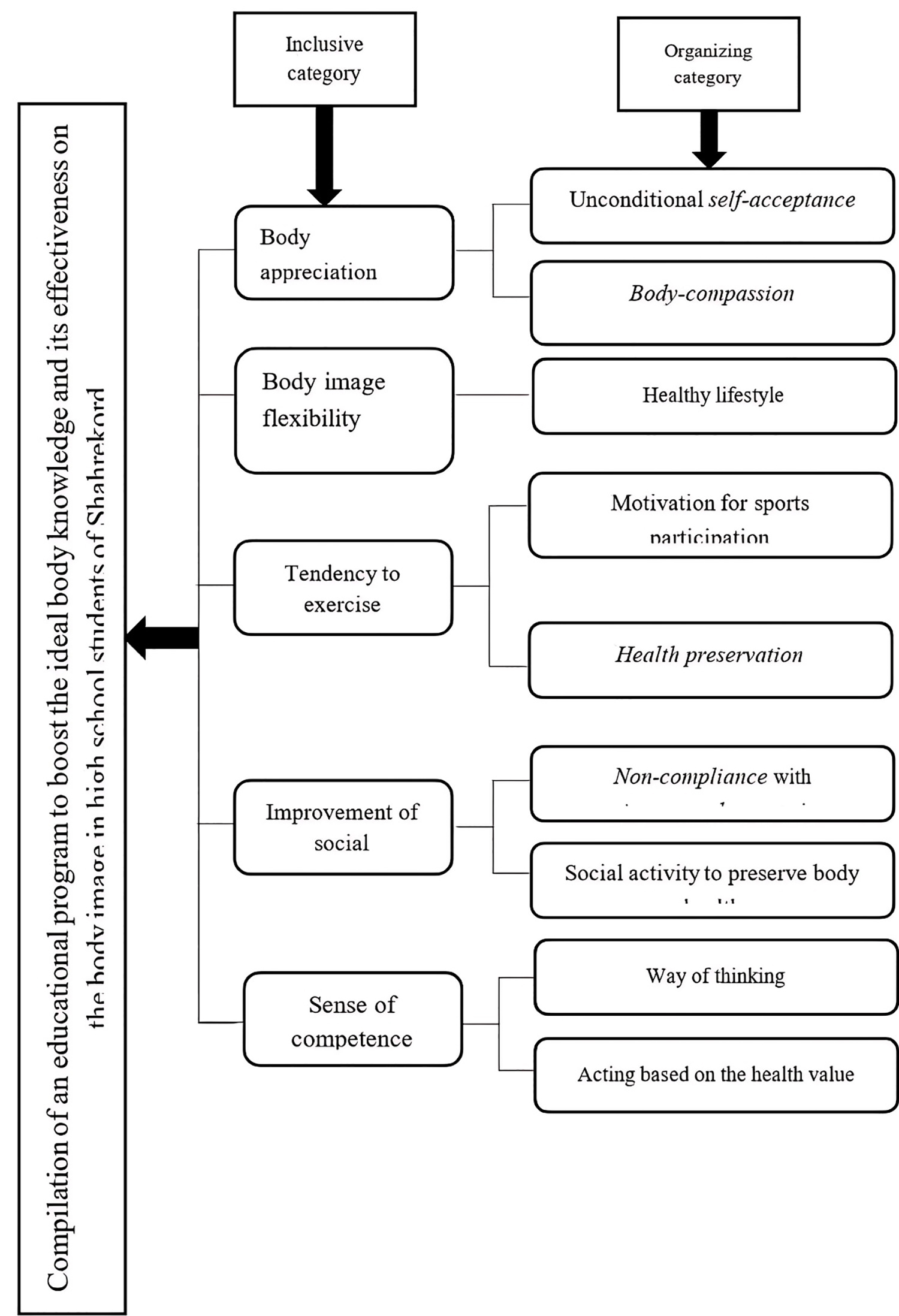
Figure 1. The figure shows the compilation of educational program.
3.1. Body Appreciation
Body appreciation means to love the body and respect it. It refers to one’s ability to keep a conscious relationship with the body, but it does not mean having an ideal, popular body compatible with the media advertisements. It includes the positive beliefs and opinions the individuals have about their body in any condition ( 22 ). This inclusive category included two organizing categories: unconditional self-acceptance and body-compassion with each organizing category entailing a basic category.
Students’ daily report cards: “I thought being thin was the standard for beauty and dressing stylishly. That’s why I was unhappy with myself.”
Researcher’s observation notebook: “Students in groups of two stated that from now on, being fat or thin is not a suitable criterion for assessing their fitness.”
3.2. Body Image Flexibility
Body image flexibility is a reflection of acceptance of adaptation, psychological flexibility, and openness to stressful events, especially dissatisfaction with the body, and it is a kind of ability to experience and accept the body image without judgment or denial, boosting adaptive behavior ( 23 ). This inclusive category includes an organizing category of healthy lifestyle and a basic category.
The students’ daily report booklets: “It is difficult for me to change my eating style and eat less, but as my overweight pressure me, I try to eat less snacks.”
Researcher’s field notes: “During the week, the students tried to ask their physical education teacher to change their eating style and inform them about their physical activity style”.
3.3. Tendency to Exercise
According to sports psychologists, behavior is not driven by a single factor or motivation alone. For example, with regard to sport participation, different motivations such as social interaction, joy and enthusiasm, prevention and treatment, reduction of mental pressures, weight control, career and life relationships, health and physical fitness lead to tendency to exercise and sport in individuals ( 24 ).
This inclusive category includes two organizing categories: motivation for sports participation and health preservation with each organizing category having a basic category.
The students’ daily report booklets: “In the past, if I saw an obese woman, I thought she was lazy even if she tried to exercise a lot, but now, I know that body shapes are not all the same.”
The students’ daily report booklets: “I passed through my worst period of life and then I became aware that the body ideals play no role for me until I am healthy. Going to the gym is a recreation for me.”
3.4. Improvement of Social Functioning
Social functioning is expressed in the form of personal interactions with the environment, ability to fulfill various tasks in the workplace, and social activities and family relationships, and this function is widely seen in different areas such as work, society, leisure time, the role of a student and the role of a child ( 25 ).
This inclusive category includes two organizing categories: non-compliance with environmental expectations and social activity to preserve body health with each organizing category having a basic category.
The students’ daily report booklets: “I will no longer compare myself with others.”
The students’ daily report booklets: “I did not go out a lot with my friends. I am always afraid of being catcalled by people who say how fat I am.”
3.5. Sense of Competence
The sense of competence is related to participation and behavioral victory and the sense of being capable of fulfilling tasks skillfully ( 26 ).
This inclusive category includes two organizing categories: the way of thinking and acting based on the health value with each organizing category having a basic category.
The students’ daily report booklets: “The way in which we think about different issues affects our behavior.”
Researcher’s field notes: “The students showed their personal mastery over their most important capabilities to preserve their physical health in their behaviors. They developed a passion for exercise. “
4. Discussion
The aim of this study was to compile an educational program to boost the ideal body knowledge and its effectiveness on the body image in high school students of Shahrekord, Iran. In this regard, the needs of the physical education program for students were identified. Effective strategies for developing, implementing, and evaluating the physical education program for students were selected. To achieve the goal of this study, researchers made attempts to improve general knowledge to change the students’ behavior. Results obtained from this study included the following inclusive categories: body appreciation, body image flexibility, tendency to exercise, improvement of social functioning and sense of competence. Body appreciation indicates the positive body image regardless of the defects one perceives with regard to being overweight or underweight, body shape and appearance, consciousness and paying attention to the needs of the body, and performing activities that improve the body health by rejecting the unreal ideals depicted by the media ( 22 ). People who have more body appreciation show greater respect and sense of body-related pride compared with those with less body appreciation. They can further resist the cultural pressure imposed by the media to fulfill the unrealistic attractions and known ideals ( 27 ). The results of this study were in agreement with those obtained by Linhart and colleagues ( 28 ). To explain the findings of this study, it can be said that by focusing on the positive cognitive aspects, changing attitude, and knowing the strengths and emphasis on them instead of the weaknesses, one can create a positive sense toward his/her desirable body despite the existing defects and rejecting the unrealistic ideals. According to this acceptance model, the individuals are persuaded to change their definition of concepts such as the body ideal and active lifestyle, and alter their behavior by changing their way of thinking. Body image flexibility is another positive factor of body image emerged in the new era to show how individuals respond to aesthetic challenges posed by media and society ( 27 ). The results of this study were in agreement with those obtained in the study of Santos ( 29 ). Santos ( 29 ) showed that undesirable physical appearance-based social comparison with peers is accompanied by two psychopathology indicators: body image psychological flexibility and body appreciation that play an important mediating role in this regard. To explain these findings based on the cognitive-behavioral approach, it can be acknowledged that negative body evaluation and irrational beliefs about body ideals cause a person to decide to change them into more positive thoughts and feelings. The selection of the body ideal type is affected by body image flexibility. In fact, the individuals with greater body image flexibility consider a more rational perceived body given the genetic and environmental characteristics. Sport has become a widespread industry in which the customers are provided with services proportional to their needs. What is obvious is the role of different factors in tendency to exercise and sport. The existence of different reasons for tendency to exercise can be attributed to factors such as knowledge, culture, and education ( 30 ). This study was in agreement with the study by Mohammadi and colleagues ( 31 ).
Moreover, factors affecting the tendency towards sports among students can be attributed to the educational program presented in this study. According to the findings of this study, health preservation and motivation for sport participation are two important and significant components to control weight and adopt body ideals.
Individuals with high levels of social anxiety are concerned about the fact that their bodies will be viewed negatively by others, which causes their motivation to participate in sports to decrease as a result of their negative self-evaluation. According to the cognitive-behavioral perspective, when individuals change the irrational insight and belief related to their body ideal, they are motivated to participate in sports activities. Besides preservation of physical and mental health of students, physical activity, as one of the individual and social manifestations, causes students to correctly play their individual and social roles ( 30 ). This study was in line with the study by Mohammadi and colleagues ( 31 ). Considering the findings of this study, “non-compliance with environmental expectations” and “social activity to preserve body health” cause adolescents with overweight to perform extracurricular activity and lead to their acceptance by peers after their perception from their body ideal was changed. To explain this finding, it can be said that the awareness of body health and body ideals through exercise and fundamental planning for overcoming obstacles increase self-confidence in students.
Having a sense of competence is a personal belief that enables individuals to successfully complete assigned tasks ( 32 ). This study was in agreement with the findings of Rantanen and co-workers ( 32 ). To explain the findings, it can be said that the sense of competence is the sense of having mastery over things and being effective based on the individuals’ perceived ability to attain the given goals in different areas of life. In the school context, the students have a high sense of competence when they feel they can succeed if they want. When this mental need is fulfilled, the motivational processes are triggered, leading to behavioral, emotional and cognitive engagement. According to Bandura’s cognitive social theory, the positive and negative expectations can be a stimulus for behavior change. Promotion of knowledge as an intrinsic source of motivation leads to the continuity of habits and behaviors, directing the individuals toward achieving their values-based goals ( 12 ). Finally, acquiring knowledge and experience, learning behavior, having emotional experience, and fulfilling the sense of competence are examples of intrinsic rewards the individuals gain for themselves. Overall, the stable health of the Iranian society depends on the physical and mental health of students. This theory emphasizes that behavior change depends not only on learning through observation, but also on the individual’s belief in their ability to perform the behavior and their interaction with the environment. Creating positive role models, a supportive environment, and strengthening self-efficacy are three main pillars in facilitating behavior change according to this theory.
Improving knowledge as a source of intrinsic motivation leads to the continuation and continuity of habits and behaviors that lead individuals towards goals based on their values. Ultimately, gaining knowledge and experience, learning behavior, emotional experience, and satisfying a sense of competence are examples of intrinsic rewards. Such programs should be designed based on the physical and psychological needs of students, diversity of methods of teaching psychosocial characteristics-based sports activities, and attention to individual differences. The participation of teachers, parents, and students themselves in the development and implementation of this program contributes significantly to its success and reliability.
Moreover, educational content about body perception and body image can be included in sports classes so that the students can cultivate a healthier attitude toward their body. Educating parents and teachers about the effect of body image on adolescents’ mental health and social health can help with providing more support for students in this area. It is suggested that future research address the improvement of parents’ knowledge in the field of sports parenting.
4.1. Limitations
Although the present study had some implications, the limitations such as the compilation of the education program based on gender had better be considered. Future studies can consider more diverse representations of the educational program based on psychology approaches. Since action research is for a specific group of participants, given that the research method must be applied to a specific group, the lack of generalization of the results to other communities is another limitation of this study.
Given the individual needs of male students, the action research method is suggested to be used in future research to teach the ideal body program. It is also suggested that future researchers take steps towards improving parents’ knowledge in the field of the ideal body education program so that they can create effective insight for their children. According to the findings of the present study, it is suggested that the ideal body education program be taught to physical education teachers in other grades.
5. Conclusions
The results of this study showed that identity body education program can positively affect body perception, body image flexibility, tendency to exercise, improvement of social functioning, and sense of competence in high school students. These results showed that the design and implementation of a comprehensive and targeted program not only helps physical health improve, but also strengthens social skills and lays the foundation for healthy habits that will benefit students in future. Therefore, using this educational approach can be considered as an effective solution in the physical education curriculum of schools.
Inclusion of educational content about body perception and body image in sports classes can help students cultivate a healthier attitude toward their body. Educating parents and teachers about the effect of body image on adolescents’ mental health and social health can help them provide more support for students in this area. Therefore, it is recommended that future research address the improvement of parents’ knowledge regarding sports parenting.
Acknowledgment
This article was taken from the doctoral dissertation of Ms. Fatemeh Palizwan. The authors of this study would like to sincerely thank the high school students of Shahrekord, Iran who enthusiastically participated in this study. The authors would also like to thank the principals, teachers, and esteemed school staff that provided the opportunity for the implementation of the “Body Identity” educational program. Also, the authors would like to express their special gratitude to the professors and academic advisors who further enriched this research with their valuable guidance.
Authors’ Contribution
Fatemeh Palizvan: Substantial contributions to the conception and design of the work, the acquisition and analysis of data, and its interpretation; drafting the manuscript and critically reviewing the work for important intellectual content. Rokhsareh Badami: Substantial contributions to the conception and design of the work, the acquisition and analysis of data, and its interpretation; drafting the manuscript and critically reviewing the work for important intellectual content. Zahra Serjuei: Substantial contributions to the analysis of data and contributed to the design of the work; drafting the manuscript and critically reviewing the work for important intellectual content. All authors have read and approved the final manuscript and agree to be accountable for all aspects of the work, such as the questions related to the accuracy or integrity of any part of the work.
Conflict of Interest
None declared.
Funding Source
None.
Ethical Approval
The Ethics Review Board of Islamic Azad University of Isfahan, Khorasgan Branch, Iran approved the present study with the code of IR.IAU.KHUISF.REC.1403.196. Also, written informed consent was obtained from the participants.
References
- Lacroix E, Atkinson MJ, Garbett KM, Diedrichs PC. One size does not fit all: Trajectories of body image development and their predictors in early adolescence. Dev Psychopathol. 2022; 34(1):285-294. DOI | PubMed
- Jalali-Farahani S, Amiri P, Zarani F, Azizi F. The main physical components of body image from the perspectives of Iranian adolescents: a qualitative study. BMC Public Health. 2021; 21(1):78. Publisher Full Text | DOI | PubMed [ PMC Free Article ]
- Bodega P, de Cos-Gandoy A, Fernández-Alvira JM, Fernández-Jiménez R, Moreno LA, Santos-Beneit G. Body image and dietary habits in adolescents: a systematic review. Nutr Rev. 2023; 82(1):104-127. Publisher Full Text | DOI | PubMed [ PMC Free Article ]
- Kerner C, Prescott A, Smith R, Owen M. A systematic review exploring body image programmes and interventions in physical education. European Physical Education Review. 2022; 28(4):942-67. DOI
- Grosick TL, Talbert-Johnson C, Myers MJ, Angelo R. Assessing the landscape: Body image values and attitudes among middle school boys and girls. American Journal of Health Education. 2013; 44(1):41-52. DOI
- Holmqvist Gattario K, Frisén A, Anderson-Fye E. Body image and child well-being. Handbook of child well-being; 2014. p. 2409-36.DOI
- Walseth K, Tidslevold T. Young women’s constructions of valued bodies: Healthy, athletic, beautiful and dieting bodies. International Review for the Sociology of Sport. 2020; 55(6):703-725. DOI
- Grogan S. Body image: Understanding body dissatisfaction in men, women and children: Routledge; 2021.DOI
- Garcia RL, Bingham S, Liu S. The effects of daily Instagram use on state self-objectification, well-being, and mood for young women. Psychology of Popular Media. 2022; 11(4):423. DOI
- Beltrán-Carrillo VJ, Devís-Devís J, Peiró-Velert C. The influence of body discourses on adolescents’(non) participation in physical activity. Sport, Education and Society. 2018; 23(3):257-269. DOI
- Schubring A, Bergentoft H, Barker D. Teaching on body ideals in physical education: A lesson study in Swedish upper secondary school. Curriculum Studies in Health and Physical Education. 2021; 12(3):232-250. DOI
- Gao X, Cheng M, Zhang R. The relationship between physical activity and the health of primary and secondary school teachers: the chain mediating effects of body image and self-efficacy. BMC Public Health. 2024; 24(1):562. Publisher Full Text | DOI | PubMed [ PMC Free Article ]
- Simovska V, Primdahl NL, Jensen AS. Engaging with normativity in health education research: Inspiration from continental critical theory. Social Theory and Health Education. Routledge; 2020. p. 206-17.DOI
- Manfra MM. Action research and systematic, intentional change in teaching practice. Review of Research in Education. 2019; 43(1):163-196. DOI
- Mills GE. Action research: A guide for the teacher researcher. ERIC; 2000.
- Kemmis S. The Action Research Planner: Doing Critical Participatory Action Research. Springer; 2014.DOI
- Casey A, Fletcher T, Schaefer L, Gleddie D. Conducting practitioner research in physical education and youth sport. Abingdon. Routledge; 2018.DOI
- Sparkes AC, Smith B. Qualitative research methods in sport, exercise and health: From process to product. Routledge; 2013.DOI
- Brolin M, Quennerstedt M, Maivorsdotter N, Casey A. A salutogenic strengths-based approach in practice–an illustration from a school in Sweden. Curriculum Studies in Health and Physical Education. 2018; 9(3):237-252. DOI
- Braun V, Clarke V. Successful qualitative research: A practical guide for beginners; 2013.
- Smith B, McGannon KR. Developing rigor in qualitative research: Problems and opportunities within sport and exercise psychology. International Review of Sport and Exercise Psychology. 2018; 11(1):101-21. DOI
- Winter VR, Landor AM, Teti M, Morris K, Schliep EM, Pevehouse-Pfeiffer D, et al. Is body appreciation a mechanism of depression and anxiety? An investigation of the 3-Dimensional Body Appreciation Mapping (3D-BAM) intervention. Mental Health & Prevention. 2019; 14:200158. DOI
- Cox AE, Ullrich-French S, Tylka TL, McMahon AK. The roles of self-compassion, body surveillance, and body appreciation in predicting intrinsic motivation for physical activity: Cross-sectional associations, and prospective changes within a yoga context. Body Image. 2019; 29:110-117. DOI | PubMed
- Majidi C, Kashef S, Ahadi B, Rasoolazar G. The Factors Related to Beautification and joyfulness of university sport places on dormitory student’s tendency toward physical activity. Applied Research Sport Management. 2015; 4(3):29-39. Persian
- BOSC M. Assessment of social function in depression. Compr Psychiatry. 2000; 41(1):63-9. DOI | PubMed
- Malanchini M, Wang Z, Voronin I, Schenker VJ, Plomin R, Petrill SA, et al. Reading self-perceived ability, enjoyment and achievement: A genetically informative study of their reciprocal links over time. Dev Psychol. 2017; 53(4):698-712. Publisher Full Text | DOI | PubMed [ PMC Free Article ]
- Saadatbin Javaheri F, Abolghasemi S, Haghayegh SA. Comparison of body appreciation, body image flexibility, and attachment style in women with and without self-compassion. Journal of Applied Psychological Research. 2022; 12(4):293-308. DOI Persian
- Linhart P, Osiejuk TS, Budka M, Šálek M, Špinka M, Policht R, et al. Measuring individual identity information in animal signals: Overview and performance of available identity metrics. Methods in Ecology and Evolution. 2019; 10(9):1558-1570. DOI
- Santos IMA. Bridging physical appearance-based social comparison and psychopathology indicators: The role of body image psychological flexibility and body appreciation in women; 2023.DOI
- Arghvan MM, Mirzaei K, Shekarbeigy A. Sociological Explanation of the Role of Knowledge Industry and Culture Industry on Tendency to Sport among Youth of BandarAbbas city. Iranian Journal of Educational Sociology. 2023; 6(2):112-121. DOI Persian
- Mohammadi F, Esmaeili A, Piri H, Rajabi Shamli E. The role of motivating sports participation in the social well-being and social identity of female students of the first secondary school of knowledge in rural Jajarm city. refahj. 2024; 24(93):275-99. DOI
- Rantanen K, Eriksson K, Nieminen P. Social competence in children with epilepsy—a review. Epilepsy Behav. 2012; 24(3):295-303. DOI | PubMed

