
1. Introduction
Adolescence is a critical developmental period characterized by rapid biological, cognitive, emotional, and social maturation, making individuals highly vulnerable to adverse experiences ( 1 ). Globally, approximately one in seven adolescents (aged 10-19 years old), representing about 14-15% of this population, experience a mental disorder, accounting for a significant share of the global disease burden in this age group ( 2 ). Furthermore, over 1.5 million adolescents and young adults (aged 10-24 years) lost their lives in 2021, with injuries, interpersonal violence, and self-harm being among the leading causes of death ( 2 ). High-risk behaviors—such as substance use, risky sexual conduct, and violence—also remain prevalent, posing serious threats to adolescent health ( 3 ).
Childhood trauma disrupts normative developmental processes by shaping cognitive-emotional frameworks that individuals use to interpret and respond to life events. For example, emotional abuse has been shown to contribute to heightened social avoidance in later life ( 4 ) and to the formation of early maladaptive schemas—pervasive cognitive-emotional patterns that undermine interpersonal trust and problem-solving skills ( 5 , 6 ). Moreover, in adolescents with mood disorders, a history of emotional maltreatment can intensify depressive symptoms through the maladaptive functions of self-injury ( 1 ). Besides substantially affecting risk-taking behavior, childhood trauma stands out as one of the most potent predictors of maladaptive behavioral patterns among adolescents. Early exposure to emotional, physical, or sexual abuse, as well as neglect, disrupts normative developmental processes by shaping cognitive-emotional frameworks that individuals use to interpret and respond to life events. Such experiences have been consistently linked to emotion regulation deficits, excessive psychological distress, and poor adaptive coping mechanisms ( 4 , 5 , 7 ).
For instance, emotional abuse has been shown to contribute to heightened social avoidance in later life ( 4 ) and to the formation of early maladaptive schemas—pervasive cognitive-emotional patterns that undermine interpersonal trust and problem-solving skills ( 5 , 6 ). In adolescents with mood disorders, a history of emotional maltreatment can intensify depressive symptoms through maladaptive functions of self-injury ( 1 ). U.S. surveillance data indicate that nearly 75% of high school students report at least one adverse childhood experience (ACE), and 17% report four or more, with strong links to suicidal behavior, substance use, sexual risk, and mental health problems ( 8 ). These findings underscore the necessity of examining protective factors that can reduce the negative effects of trauma on adolescent development.
1.1. Sense of Coherence as a Resilience Anchor
One promising protective factor against childhood trauma is the Sense of Coherence (SOC), a core concept in Antonovsky’s salutogenic model, reflecting a global orientation toward perceiving life as comprehensible, manageable, and meaningful ( 9 ). Recent studies have demonstrated that SOC can moderate the correlation between childhood trauma and emotional distress, indicating its potential as a resilience-enhancing target for interventions ( 7 , 10 ). High SOC has been associated with resilience to stress, adaptive coping strategies, and improved psychological well-being in diverse populations ( 11 , 12 ). For adolescents experiencing early adversity, a strong sense of coherence (SOC) can mitigate the link between trauma and the development of risky behaviors or emotional distress. Research indicated that SOC can weaken the association between childhood trauma and psychological symptoms ( 7 , 10 ).
In addition to SOC, social adjustment, the ability to effectively adapt to social environments, plays a pivotal role in adolescents’ development. Socially well-adjusted adolescents are more likely to form supportive peer relationships, engage in prosocial behaviors, and avoid maladaptive coping strategies ( 10 ). Research indicated that social support and adaptive engagement in educational contexts can promote SOC and mitigate trauma’s long-term complications ( 13 , 14 ). An important factor that has received little attention in this area is emotional schemas—individuals’ beliefs about emotions, including their regulation, controllability, and value ( 15 ). Emotional schemas, which represent individuals’ beliefs about the acceptability, controllability, and meaning of their emotions, may play a crucial moderating role. Early maladaptive schemas—often rooted in adverse childhood experiences—can impair one’s ability to interpret emotions constructively, thereby diminishing the benefits of SOC and social adjustment ( 6 , 16 ). Adolescents with rigid or dysfunctional emotional schemas may misinterpret social cues, struggle with interpersonal trust, and respond to stress with maladaptive coping, even when other protective factors are present.
While SOC, social adjustment, and emotional schemas are necessary for adolescent well-being, this issue requires further research. Based on the literature search, few studies have simultaneously examined these constructs within an integrated model to address both the direct and moderating interplay of these elements among adolescents exhibiting risky behaviors ( 17 , 18 ). Most existing studies have concentrated on general or clinical groups, while limited attention has been given to high-risk adolescents ( 3 , 13 ). Sense of coherence (SOC), social adjustment, and emotional schemas are key to adolescent development, but research on how they link together remains scattered ( 5 , 7 , 10 , 14 ). Specifically, very few studies, based on the literature search, have combined these variables into a single model to test both direct and moderated pathways. Moreover, some studies focused on healthy adolescents, leaving a major gap in our understanding of at-risk adolescents who have experienced childhood trauma ( 1 , 7 ). This leaves unanswered questions about whether emotional schemas might attenuate or amplify the protective function of SOC and social adjustment in trauma-exposed adolescents.
To address these gaps, this study examined the relationships between childhood trauma, SOC, and social adjustment among at-risk adolescents in Tehran, Iran. In particular, we investigated how emotional schemas moderate these relationships. By exploring these pathways (Figure 1), this study aimed to contribute to both the theory and practice of developmental psychopathology and preventive mental health.
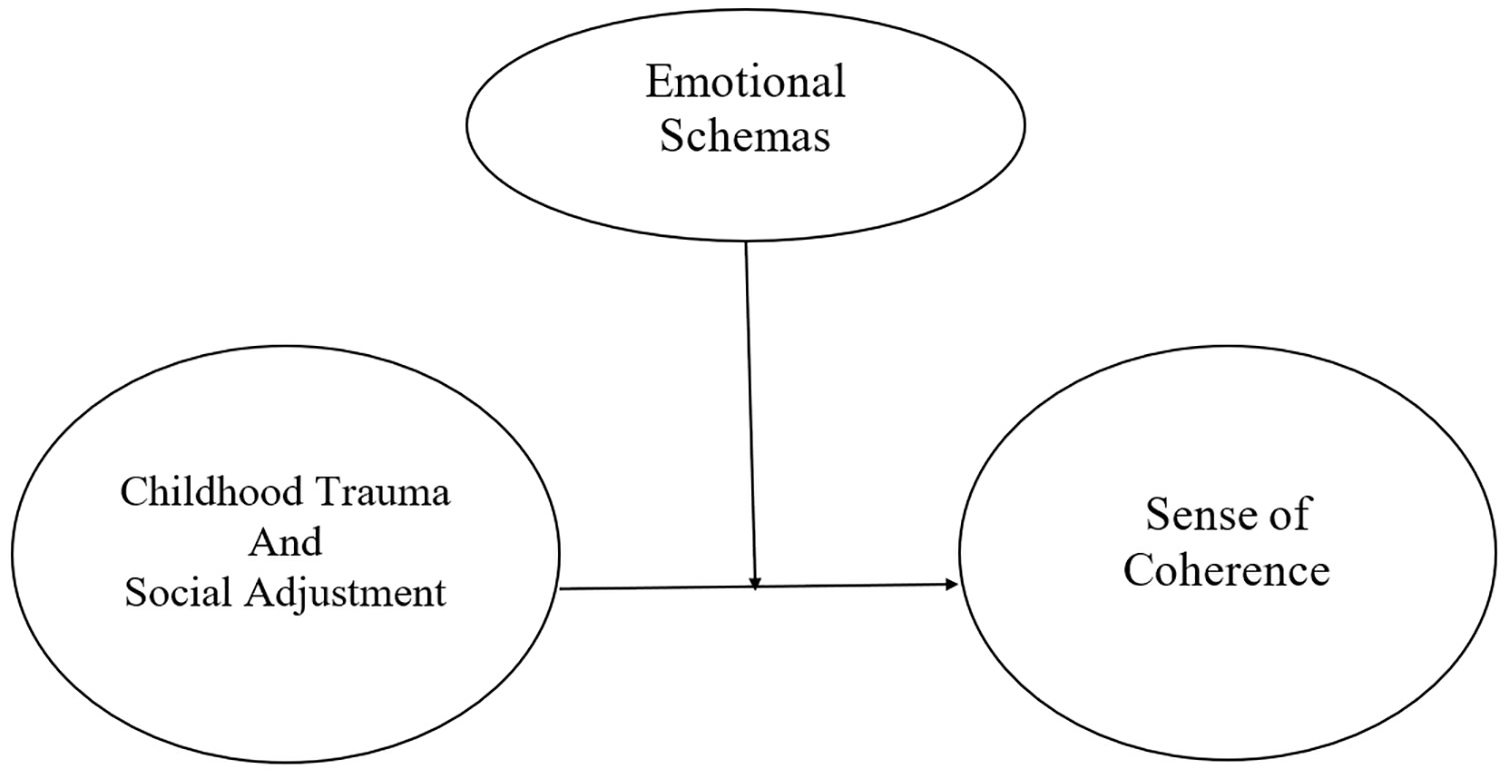
Figure 1. This figure shows the conceptual framework of the research.
2. Methods
2.1. Design
This study employed a descriptive correlational design using structural equation modeling (SEM) and was conducted in Tehran, Iran, between late 2023 and mid-November 2024.
2.2. Selection and Description of Participants
The statistical population consisted of all adolescents with risky behaviors who were referred to psychological counseling centers in Tehran, Iran. A convenience sampling method was employed; research samples were selected from centers in districts (2, 3, 5, 6, 16, 18, 19, 20, 22) that agreed to participate. Participants were eligible for the study if they were aged 15-18 with high-risk behaviors (scoring one standard deviation above the mean on the Risk-Taking Scale) and a history of childhood trauma (physical, emotional, or sexual abuse). They provided informed consent (or parental consent) and demonstrated adequate cognitive and language abilities for assessments. Exclusion criteria were the psychiatric disorders (e.g., severe depression, anxiety) that could impact emotional schemas or social adjustment, and failure to complete all study components.
2.3. Sample Size Determination
Although there is no general agreement regarding sample size in SEM, a minimum of 200 participants is often suggested ( 19 ). In this study, the total sample size was set at 332 individuals. Of these, 5 questionnaires were not returned, and 3 were incompletely filled out, resulting in 324 valid cases for final analysis.
2.4. Data Collection and Measurements
2.4.1. Childhood Trauma Questionnaire (CTQ): The Childhood Trauma Questionnaire developed by Bernstein and colleagues assesses childhood trauma ( 20 ). It serves as a screening tool for identifying individuals with histories of abuse and neglect and is suitable for both adolescents and adults. The questionnaire evaluates five types of maltreatment: sexual abuse, physical abuse, emotional abuse, emotional neglect, and physical neglect. Also, this questionnaire includes 25 items for the main components and 3 items designed to detect trauma denial. Items 2, 5, 7, 13, 19, 26, and 28 are reverse-scored, with higher scores indicating greater trauma. Subscale scores range from 5 to 25, while the total score ranges from 25 to 125. Items 10, 16, and 22 are used to assess denial; a total score above 12 for these items suggests potential invalidity. Bernstein and colleagues ( 20 ) reported Cronbach’s alpha coefficients of 0.87 for emotional abuse, 0.86 for physical abuse, 0.95 for sexual abuse, 0.89 for emotional neglect, and 0.78 for physical neglect. The Persian version of CTQ demonstrated high internal consistency (Cronbach’s α=0.65-0.91) and acceptable test-retest reliability ( 21 ). In the study of Chegeni and co-workers ( 22 ), the Content Validity Index (CVI) and Content Validity Ratio (CVR) were measured for each item. The lowest and highest CVR values were 0.60 and 0.84, respectively, indicating that all items had a CVR above the acceptance level of 0.62. The total CVR for the entire questionnaire was 0.94. The lowest and highest CVI values were 0.80 and 0.75, respectively, exceeding the acceptable threshold of 0.77. Therefore, no items were removed. The total CVI, representing the mean CVI for all items, was 0.84.
2.4.2. Sense of Coherence Scale (SOC-13): The Sense of Coherence Scale developed by Antonovsky assesses perceived stress control using 13 items on a 7-point Likert scale, yielding scores from 13 to 91. Scores of 13-26 indicate low coherence, 27-52 show moderate coherence, and above 52 display high coherence ( 9 ). This tool encompasses three subscales, including comprehensibility, manageability, and meaningfulness. The scale’s Cronbach’s alpha has been reported to range from 0.82 to 0.95 ( 9 ). In Iran, Mahammadzadeh and colleagues ( 23 ) validated the SOC-13, reporting the alpha values of 0.75 for male students and 0.78 for female students, along with a concurrent validity index of 0.54 for the 45-item Psychological Hardiness Scale. The subscale-total correlation coefficients were obtained as 0.86, 0.81, and 0.76, indicating acceptable construct validity. Also, Mahammadzadeh and colleagues ( 23 ) reported a Cronbach’s alpha of 0.74. Statistically significant correlations were observed between subscale scores and the total score (meaningfulness: r=0.76, comprehensibility: r=0.86, and manageability: r=0.81) ( 23 ). Factor analysis extracted four factors with eigenvalues greater than 1, explaining 53.49% of the total variance.
2.4.3. Adjustment Inventory (AI): The Adjustment Inventory developed by Pedersen comprises 32 binary (yes/no) items, yielding a total score from 0 to 32 ( 24 ). It assesses five dimensions including home, occupational, health, emotional, and social adjustment. Pedersen reported an 88% reliability for the social adjustment subscale and confirmed construct validity via a five-factor model ( 24 ). In Iran, the inventory showed a Cronbach’s alpha of 0.97 and a test-retest reliability of 0.78. Item Content Validity Index (CVI) exceeded 0.79, and Content Validity Ratio (CVR) ranged from 0.62 to 0.75 ( 25 ). However, due to the binary response format, the Kuder-Richardson Formula 20 (KR-20) is a more appropriate reliability measure than Cronbach’s alpha. This study obtained a hypothetical KR-20 of 0.85, indicating good internal consistency.
2.4.4. Leahy’s Emotional Schema Scale (LESS): The Leahy’s Emotional Schema Scale developed by Leahy assesses individuals’ emotional schemas ( 26 ). It measures emotional schemas using a 6-point Likert scale from completely disagree to completely agree. Items 1, 4, 8, 12, 18, 20, 23, 25, 32, 34, and 37 are reverse-scored. Leahy reported a Cronbach’s alpha of 0.81 for the scale ( 26 ). The Persian version of the scale showed good reliability, with a Cronbach’s alpha of 0.81 and a two-week test-retest reliability of 0.78. It was also correlated with Beck’s Depression Scale (r=0.38) ( 27 ). In Iran, the content validity of Leahy’s Emotional Schema Scale was confirmed using the CVI and CVR indices, and factor analysis showed that the extracted factors explained 57.91% of the total variance ( 27 ). In the present study, Cronbach’s alpha for the scale was 0.74.
2.4.5. Iranian Adolescent Risk-Taking Scale (IARS): The Adolescent Risky Behavior Scale (IARS), developed by Zadehmohammadi and Ahmadabadi ( 28 ), is a 38-item assessment with seven subscales of adolescent risky behavior including drug use (8 items), alcohol consumption (6 items), smoking (5 items), violent behavior (6 items), sexual relations and behavior (4 items), entanglement with the opposite sex (4 items), and dangerous driving (5 items). Items are rated on a five-point Likert scale (1=strongly disagree, 5=strongly agree); total scores range from 38 to 190, with higher scores indicating increased engagement in risky behaviors. Exploratory factor analysis revealed a seven-factor structure accounting for 64.84% of the variance. The study reported an overall Cronbach’s alpha of 0.73.
2.5. Procedure
After obtaining permission from the Department of Education, Roudehen University, Iran, the researcher visited the selected welfare and counseling centers. These centers were chosen through convenience sampling. Adolescents exhibiting risky behaviors, after providing written informed consent, were briefed by the researcher on how to complete the questionnaire. Following the exclusion of incomplete and deficient questionnaires, 324 completed questionnaires were analyzed.
2.6. Data Analysis
The Pearson Correlation Coefficient was employed to explore the relationship between variables, while Structural Equation Modeling (SEM) was applied to assess the proposed model using SPSS 27 and Smart PLS version 4.
3. Results
The study sample comprised 324 adolescents, including 168 boys (52%) and 156 girls (48%). Participants were categorized into two age groups: 15-16 years (n=133, 41%) and 17-18 years (n=191, 59%). Regarding education, the adolescents were divided into three main fields of study: Mathematics and Physics (n=113, 35%), Literature and Humanities (n=117, 36%), and Experimental Sciences (n=94, 29%). Table 1 shows the means and standard deviations of the study variables.
| Variables | N | Mean | SD | Skewness | Kurtosis | Min | Max |
|---|---|---|---|---|---|---|---|
| Sexual Abuse | 324 | 13.040 | 3.979 | -0.531 | -0.288 | 5 | 19 |
| Physical Abuse | 324 | 13.327 | 5.187 | 0.500 | -0.941 | 6 | 24 |
| Emotional Abuse | 324 | 13.904 | 5.039 | -0.043 | -0.793 | 5 | 23 |
| Emotional Neglect | 324 | 15.179 | 5.019 | -0.015 | -0.893 | 6 | 24 |
| Physical Neglect | 324 | 15.127 | 4.979 | -0.620 | -0.204 | 5 | 22 |
| Childhood Trauma | 324 | 70.577 | 21.426 | -0.220 | -0.697 | 27 | 112 |
| Home Adjustment | 324 | 13.105 | 2.711 | 0.245 | -0.866 | 8 | 18 |
| Career Adjustment | 324 | 11.877 | 3.097 | 0.507 | -0.675 | 7 | 18 |
| Health Adjustment | 324 | 10.154 | 2.212 | 0.194 | -1.053 | 6 | 14 |
| Emotional Adjustment | 324 | 11.790 | 3.367 | 0.475 | -0.776 | 7 | 18 |
| Social Adjustment Dimension | 324 | 13.139 | 3.664 | 0.473 | -0.749 | 7 | 20 |
| Social Adjustment | 324 | 60.065 | 12.226 | 0.620 | -0.351 | 37 | 87 |
| Understandable | 324 | 15.728 | 4.351 | -0.159 | -0.989 | 9 | 25 |
| Manageable | 324 | 13.741 | 4.755 | -0.381 | -0.901 | 5 | 21 |
| Meaningful | 324 | 16.969 | 5.117 | 0.047 | 0.120 | 7 | 30 |
| Sense of Coherence | 324 | 46.438 | 11.045 | -0.011 | -0.229 | 21 | 76 |
| Emotional Schemas | 324 | 86.630 | 18.763 | 0.199 | -0.123 | 24 | 141 |
| Rumination | 324 | 6.580 | 3.359 | 0.388 | -0.459 | 1 | 14 |
| Emotional Self-awareness | 324 | 6.244 | 2.133 | -0.134 | -0.839 | 2 | 10 |
| Guilt | 324 | 7.475 | 2.768 | 0.210 | -0.579 | 2 | 13 |
| Expressing Emotions | 324 | 4.688 | 1.523 | -0.187 | -0.952 | 2 | 7 |
| Manageability | 324 | 7.667 | 2.251 | -0.273 | -0.915 | 3 | 11 |
| Seeking Approval from Others | 324 | 3.238 | 2.327 | 0.076 | -1.228 | 0 | 7 |
| Comprehensibility | 324 | 7.898 | 2.825 | -0.333 | -0.712 | 2 | 12 |
| Blame | 324 | 4.355 | 2.058 | 0.114 | -0.868 | 1 | 8 |
| Trying to be Rational | 324 | 10.667 | 2.564 | 0.068 | -0.079 | 4 | 16 |
| Simplistic View of Emotions | 324 | 4.750 | 2.252 | 0.038 | -1.103 | 1 | 8 |
| Higher Values | 324 | 8.685 | 2.643 | -0.929 | 0.582 | 1 | 12 |
| Acceptance of Emotions | 324 | 6.938 | 2.373 | -0.116 | -0.715 | 2 | 11 |
| General Agreement | 324 | 7.444 | 2.838 | 0.083 | -1.230 | 3 | 12 |
| SD: Standard Deviation | |||||||
Table 2 shows that SOC was significantly positively correlated with social adjustment (r=0.573, P<0.001) and emotional schemas (r=0.647, P<0.001), while it was significantly negatively correlated with childhood trauma (r= -0.883, P<0.001).
| Variables | Statistical Indicators | Childhood Trauma | Social Adjustment | Emotional Schemas | Sense of Coherence |
|---|---|---|---|---|---|
| Childhood Trauma | Spearman’s rho | — | |||
| P value | — | ||||
| Social Adjustment | Spearman’s rho | -0.525*** | — | ||
| P value | <0.001 | — | |||
| Emotional Schemas | Spearman’s rho | -0.625*** | 0.673*** | — | |
| P value | <0.001 | <0.001 | — | ||
| Sense of Coherence | Spearman’s rho | -0.883*** | 0.573*** | 0.647*** | — |
| P value | <0.001 | <0.001 | <0.001 | — | |
| * P<0.05, ** P<0.01, *** P<0.001 | |||||
As Table 3 and Figure 2 show, childhood trauma was significantly and inversely associated with SOC (β=-0.771, P<0.001). Emotional schemas positively correlated with SOC (β=0.119, P=0.009), but SOC and social adjustment showed no significant correlation (β=0.064, P=0.158). Emotional schemas significantly affected the relationship between childhood trauma and SOC (β=0.130, P=0.009), but they did not significantly affect the relationship between SOC and social adjustment (β=0.060, P=0.257).
| Result | T-value | P value | Path Coefficient | Path |
|---|---|---|---|---|
| Confirmation | 20.313 | <0.001 | -0.771 | Childhood Trauma -> Sense of Coherence |
| Confirmation | 2.602 | 0.009 | 0.119 | Emotional Schemas -> Sense of Coherence |
| Rejection | 1.412 | 0.158 | 0.064 | Social Adjustment -> Sense of Coherence |
| Confirmation | 2.615 | 0.009 | 0.130 | Emotional Schemas x Childhood Trauma -> Sense of Coherence |
| Rejection | 1.134 | 0.257 | 0.060 | Emotional Schemas x Social Adjustment -> Sense of Coherence |
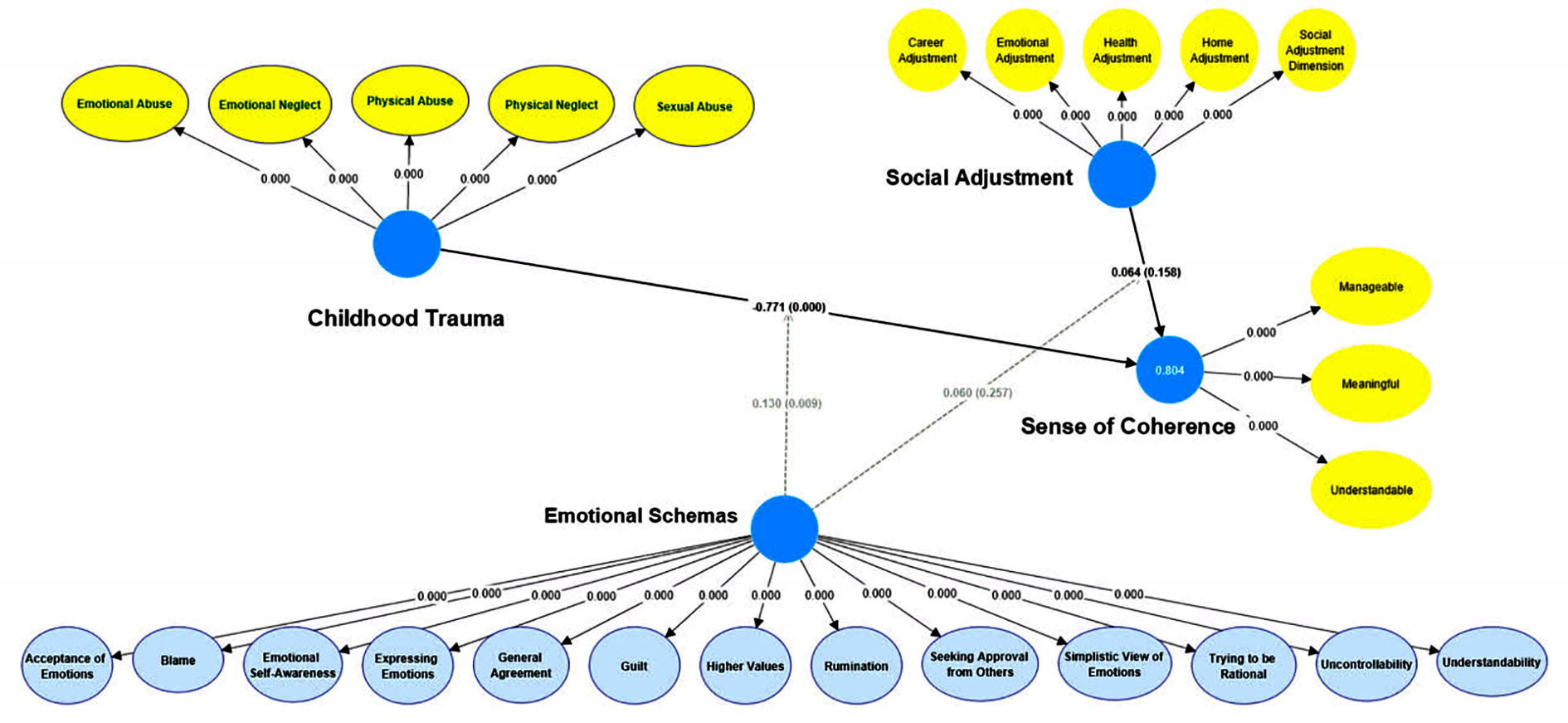
Figure 2. The figure shows the path coefficients and their significance levels.
Based on Table 4, childhood traumatic experiences showed a significant negative correlation with the dependent variable (Estimate= -0.398), meaning that greater childhood traumas could be linked to lower SOC (P<0.001). Increased emotional schemas positively correlated with higher SOC (Coefficient=0.098, P<0.001).
| Variables | Estimate | SE | Z | P | |
|---|---|---|---|---|---|
| Childhood Trauma | -0.39799 | 0.0139 | -28.69 | < 0.001 | |
| Emotional Schemas | 0.09822 | 0.0154 | 6.38 | < 0.001 | |
| Childhood Trauma ✻ Emotional Schemas | 0.00186 | 5.93e-4 | 3.14 | 0.002 | |
| Simple Slope Estimates | Average | -0.398 | 0.014 | -28.4 | 0.003 |
| Low (-1SD) | -0.433 | 0.019 | -21.8 | <0.001 | |
| High (+1SD) | -0.363 | 0.015 | -23.1 | < 0.001 | |
| SE: Standard Error | |||||
Emotional schemas significantly moderated the negative relationship between childhood trauma and SOC (interaction estimate = 0.00186, P=0.002). Based on the Simple Slopes analysis, at a low level of schemas (Low, -1SD), the coefficient of -0.433 reflected a more severe negative correlation. On the other hand, high-level schemas (High, +1SD) with a coefficient of -0.363 exhibited the least negative correlation.
4. Discussion
The present study aimed to investigate the impact of childhood trauma on the SOC among at-risk adolescents, while examining the moderating role of social adjustment and emotional schemas. The findings showed that more childhood trauma was related to a lower sense of coherence (SOC), while stronger emotional schemas were related to higher SOC. Emotional schemas also reduced the negative effect of childhood trauma on SOC, but SOC was not significantly related to social adjustment in the final model.
Evans and colleagues ( 29 ) identified childhood trauma as a significant predictor of reduced sense of coherence (SOC). They suggested that adverse early-life experiences weaken an adolescent’s ability to perceive life as comprehensible, manageable, and meaningful. This finding is consistent with previous research showing that trauma contributes to maladaptive cognitive and emotional patterns, which in turn impair psychological well-being ( 7 , 29 , 30 ). Some studies supported our findings on the negative correlation between childhood trauma and SOC. For instance, Dabiri and co-workers ( 31 ) reported that individuals with a history of childhood trauma had significantly lower SOC, reinforcing our results. The trauma-as-stressor hypothesis in psychological theories posits that such experiences can lead to negative thinking patterns and a sense of lack of control, reducing one’s ability to form positive social connections ( 32 ).
Moreover, Mohammadkhani and colleagues ( 33 ) found that stronger emotional schemas improved mental well-being, which supports our finding suggesting that emotional schemas help adolescents cope with adverse experiences. However, Lee and co-workers ( 34 ) suggested that resilience might mediate the relationship between trauma and coherence, indicating that not all individuals would respond negatively to traumatic experiences ( 34 ). Additionally, Urzúa and colleagues ( 35 ) argued that certain aspects of social adjustment could enhance one’s SOC, which contrasted with our findings and showed no significant correlation between SOC and social adjustment ( 35 ).
Specifically, adolescents exposed to maltreatment may internalize maladaptive cognitive and emotional patterns that weaken their coping resources and lower their sense of control over life events ( 5 , 6 , 15 ). In contrast, emotional schemas were found to have a positive and significant direct correlation with SOC and, importantly, to moderate its correlation with childhood traumas. This suggests that while trauma consistently undermines coherence, adolescents with more adaptive emotional schemas are better equipped to buffer its negative effects. This aligns with previous studies emphasizing the protective function of cognitive-emotional frameworks in processing and regulating distressing experiences ( 15 , 16 ). The moderating role was further clarified through simple slopes analysis, demonstrating that adolescents with higher levels of emotional schemas showed a weaker negative correlation between SOC and trauma than peers with lower levels. These results were consistent with previous studies which highlighted the role of adaptive schemas, self-compassion, and cognitive reappraisal in reducing the psychological toll of trauma ( 8 , 12 ).
This finding also aligned with the theory of emotional schema, which explains how individuals interpret and process their emotional experiences, thereby influencing their ability to cope with life challenges ( 26 ). Thus, strengthening emotional schemas can help individuals better manage their emotions and experiences, boosting their SOC. Notably, emotional schemas moderate the relationship between childhood trauma and SOC, indicating that the level of emotional schemas influences the negative implications of trauma. More positive emotional schemas correlate with fewer negative trauma impacts, consistent with research emphasizing emotional regulation and adaptation ( 7 ). In our study, social adjustment showed no significant correlation with SOC, and emotional schemas did not moderate this pathway. This finding differed from previous research, which highlighted social adjustment as a crucial determinant of adolescents’ psychological well-being ( 33 , 35 ). Additionally, social adjustment may operate indirectly, influencing coherence through moderating variables such as optimism, self-compassion, or social support, which were not directly modeled in this study ( 29 , 30 ). Taken together, these findings underscored the complex interplay between childhood trauma, emotional schemas, and adolescents’ SOC. Trauma exerts a robust and direct negative influence on SOC, which is consistent with theory of cumulative risk ( 29 ). However, the moderating role of emotional schemas supports resilience models. This indicates that therapies helping adolescents change unhealthy schemas and improve emotion regulation can protect them from the negative impacts of early adversity ( 33 ). The lack of a significant effect for social adjustment suggests that cultural and contextual factors require further investigation. While social connectedness is generally protective, its influence is likely to depend on relationship quality and the adolescent’s internal emotional regulation ( 10 , 12 ).
4.1. Limitations
There were some limitations in the study. First, the study relied on self-report measures, which may be subject to response bias and may have affected the accuracy of the data. Second, the cross-sectional design did not allow for causal interpretation of the findings. Longitudinal studies are therefore needed to clarify how these variables interact over time. Finally, the relatively limited sample size may reduce the generalizability of the findings. Future research is recommended to include larger and more diverse samples to improve external validity.
Conclusions
Childhood trauma strongly predicts a lower sense of coherence (SOC) in at-risk adolescents, as it undermines their ability to perceive their environment as meaningful and life’s challenges as manageable. However, emotional schemas, particularly emotional acceptance or avoidance, can moderate this impact, offering a crucial target for psychotherapeutic interventions. Future studies are encouraged to use longitudinal designs to clarify the causal relationships among childhood trauma, emotional schemas, and sense of coherence. Also, future research should examine the role of social adjustment, particularly in relation to cultural identity, social support, and family dynamics, to provide a more comprehensive understanding of the factors influencing sense of coherence in at-risk adolescents.
Acknowledgement
The article was extracted from the PhD dissertation of Ms. Solmaz Dabiri at Islamic Azad University, Roudehen Branch in Iran. Also, the authors express their gratitude to all participants who took part in the study.
Authors’ Contributions
Solmaz Dabiri: Contributions to the conception and design of the work; the acquisition, analysis, and interpretation of data for the work; drafting the work and reviewing it critically for important intellectual content. Hossein Ebrahimi Moghaddam: Contributions to the conception and design of the work; drafting the work. Narges Babakhani: Contributions to the acquisition, analysis, and interpretation of data for the work; drafting the work and reviewing it critically for important intellectual content. All authors have read and approved the final manuscript and agree to be accountable for all aspects of the work, such that the questions related to the accuracy or integrity of any part of the work.
Declaration of AI
The authors acknowledge the use of AI-assisted tools (GapGPT 5.6) for language translation and editing. All content was manually reviewed and edited by the authors to ensure its accuracy and academic integrity; the authors take full responsibility for the final content of the manuscript.
Conflict of Interest
None declared.
Funding
None.
Ethical Approval
The Ethics Review Board of Roudehen Branch, Iran, approved the present study with the code of IR.IAU.R.REC.1403.017. Also, written informed consent was obtained from the participants.
References
- You Q, Ou Y, Meng N, Guo L, Ye Y, Xie X, et al. Childhood emotional maltreatment affects depression of adolescents with mood disorders: the mediating role of functions of non-suicidal self-injury. BMC Psychiatry. 2024; 24:748. Publisher Full Text | DOI | PubMed [ PMC Free Article ]
- WHO. The adolescent health indicators recommended by the Global Action for Measurement of Adolescent Health: Guidance for monitoring adolescent health at country, regional and global levels. World Health Organization; 2024. Available from: https://www.who.int/publications/i/item/9789240092198
- Tariq N, Gupta V. High Risk Behaviors. In StatPearls [Internet]. Treasure Island (FL): StatPearls Publishing; 2026.PubMed
- Zheng X, Xie J, Cai R, Liu Z, Xu L. Why avoidance? The impact of childhood emotional abuse on social avoidance. BMC Psychol. 2025; 13:558. Publisher Full Text | DOI | PubMed [ PMC Free Article ]
- Rada C, Neagu A-E, Marinescu V, Rodideal A-A, Lunga R-A. The Impact of Childhood Abuse on the Development of Early Maladaptive Schemas and the Expression of Violence in Adolescents. Behav Sci (Basel). 2025; 15(7):854. Publisher Full Text | DOI | PubMed [ PMC Free Article ]
- Elahian M, Rezakhani S, Dokanehifard F. Relationship between Early Maladaptive Schemas and Psychological Capital in Children of Veterans; a Psychological Perspective. Iran J War Public Health. 2025; 17(1):9-16. DOI
- Fan N, Fan H, Luo R, Wang Y, Yan Y, Yang X, et al. The impact of childhood trauma on emotional distress and the moderating role of sense of coherence among college students in China. Sci Rep. 2024; 14(1):9797. Publisher Full Text | DOI | PubMed [ PMC Free Article ]
- Nunn S. Centers for Disease Control and Prevention Science Clips. Med Ref Serv Q. 2024; 43(3):268-276. DOI | PubMed
- Antonovsky A. The structure and properties of the sense of coherence scale. Soc Sci Med. 1993; 36(6):725-33.
- Li M, Ren Y. Relationship among physical exercise, social support and sense of coherence in rural left-behind children. J Psychiatr Res. 2024; 169:1-6. DOI | PubMed
- Mantas-Jiménez S, Reig-García G, Roqueta-Vall-Llosera M, Camara-Liebana D, Masià-Plana A, Lluch-Canut MT, et al. Positive mental health and sense of coherence among emergency medical service professionals. Front Public Health. 2024; 12:1344872. Publisher Full Text | DOI | PubMed [ PMC Free Article ]
- Urtubia-Herrera V, Navarta-Sánchez MV, Palmar-Santos AM, Pedraz-Marcos A, García-Gomez A, Luis EO, et al. The relationship between sense of coherence and emotional intelligence as individual health assets for mental health promotion in students and healthcare professionals: a scoping review. Front Public Health. 2024; 12:1304310. Publisher Full Text | DOI | PubMed [ PMC Free Article ]
- Jerebine A, Mohebbi M, Lander N, Eyre ELJ, Duncan MJ, Barnett LM. Playing it safe: The relationship between parent attitudes to risk and injury, and children’s adventurous play and physical activityy. Psychol Sport Exerc. 2024; 70:102536. DOI | PubMed
- Acoba EF. Social support and mental health: the mediating role of perceived stress. Front Psychol. 2024; 15:1330720. Publisher Full Text | DOI | PubMed [ PMC Free Article ]
- Blackman LC, Pizarro‐Campagna E, Pilkington PD. Early Maladaptive Schemas and Dissociative Symptoms: A Systematic Review and Meta-Analysis. Clin Psychol Psychother. 2024; 31(6):e70026. DOI | PubMed
- Edwards D, Rafaeli E, Pilkington P. Schema modes, case conceptualization, and psychotherapy process: qualitative explorations of clinical practice. Front Psychiatry. 2024; 15:1377069. Publisher Full Text | DOI | PubMed [ PMC Free Article ]
- Mondi CF, Giovanelli A, Reynolds AJ. Fostering Socio-Emotional Learning Through Early Childhood Intervention. Int J Child Care Educ Policy. 2021; 15:6. Publisher Full Text | DOI | PubMed [ PMC Free Article ]
- Çalışkan E, Gökkaya F. Reviewing Psychological Practices to Enhance the Psychological Resilience Process for Individuals with Chronic Pain: Clinical Implications and Neurocognitive Findings. Curr Pain Headache Rep. 2025; 29(1):68. Publisher Full Text | DOI | PubMed [ PMC Free Article ]
- Jobst LJ, Bader M, Moshagen M. A tutorial on assessing statistical power and determining sample size for structural equation models. Psychol Methods. 2023; 28(1):207-221. DOI | PubMed
- Bernstein DP, Stein JA, Newcomb MD, Walker E, Pogge D, Ahluvalia T, et al. Development and validation of a brief screening version of the Childhood Trauma Questionnaire. Child Abuse Negl. 2003; 27(2):169-90. DOI | PubMed
- Pourshahriar H, Alizade H, Rajaeinia K. Childhood Emotional Abuse and Borderline Personality Disorder Features: The Mediating Roles of Attachment Style and Emotion Regulation. IJPC. 2018; 24(2):148-163. DOI Persian
- Chegeni M, Haghdoost A, Shahrbabaki ME, Shahrbabaki PM, Nakhaee N. Validity and reliability of the Persian version of the Adverse Childhood Experiences Abuse Short Form. J Educ Health Promot. 2020; 9:140. Publisher Full Text | DOI | PubMed [ PMC Free Article ]
- Mahammadzadeh A, Poursharifi H, Alipour A. Validation of Sense of Coherence (SOC) 13-item scale in Iranian sample. Procedia-Social and Behavioral Sciences. 2010; 5:1451-1455. DOI
- Pedersen RA. Validity of the Bell Adjustment Inventory When Applied to College Women. The Journal of Psychology. 1940; 9(2):227-236. DOI
- Farokhnezhad Afshar P, Foroughan M, Vedadhir A, Ghazi Tabatabaie M. Psychometric properties of the Persian version of Social Adaptation Self-evaluation Scale in community-dwelling older adults. Clin Interv Aging. 2017; 12:579-584. Publisher Full Text | DOI | PubMed [ PMC Free Article ]
- Leahy RL. Emotional Schemas and Resistance to Change in Anxiety Disorders. Cognitive and Behavioral Practice. 2007; 14(1):36-45. DOI
- Khanzadeh M, Saeediyan M, Hosseinchari M, Edrissi F. Factor structure and psychometric properties of difficulties in emotional regulation scale. Journal of Behavioral Sciences. 2012; 6(1):87-96. Persian
- Zadehmohammadi A, Ahmadabadi Z. The Co-Occurrence of Risky Behaviors among High School Adolescents in Tehran. Journal of Family Research. 2008; 4(13):87-100. Persian
- Evans GW, Li D, Whipple SS. Cumulative risk and child development. Psychol Bull. 2013; 139(6):1342-96. DOI | PubMed
- Zhong Y, Hu Q, Chen J, Li Y, Chen R, Li Y, et al. The impact of childhood trauma on Adolescent Depressive Symptoms: the Chain Mediating role of borderline personality traits and self-control. BMC Psychiatry. 2024; 24(1):377. Publisher Full Text | DOI | PubMed [ PMC Free Article ]
- Dabiri S, Moghaddam HE, Babakhani N. The Relationship Between Childhood Trauma and Sense of Coherence Based on the Mediating Role of Emotional Schemas in Adolescents with Risky Behaviors. Iranian Journal of Neurodevelopmental Disorders. 2026; 7(2):1-12. DOI
- Spytska L. Psychological trauma and its impact on a person’s life prospects. Scientific Bulletin of Mukachevo State University. Series “Pedagogy and Psychology”. 2023; 9(3):82-90. DOI
- Mohammadkhani S, Foroutan A, Akbari M, Shahbahrami M. Emotional Schemas and Psychological Distress: Mediating Role of Resilience and Cognitive Flexibility. Iran J Psychiatry. 2022; 17(3):284-293. Publisher Full Text | DOI | PubMed [ PMC Free Article ]
- Lee D, Yu E-S, Kim NH. Resilience as a mediator in the relationship between posttraumatic stress and posttraumatic growth among adult accident or crime victims: the moderated mediating effect of childhood trauma. Eur J Psychotraumatol. 2020; 11(1):1704563. Publisher Full Text | DOI | PubMed [ PMC Free Article ]
- Urzúa A, Henríquez D, Hernández S, Caqueo-Urízar A. The Sense of Coherence as a Mediator of the Negative Effect of Discrimination on the Quality of Life in the Migrant Population. Healthcare (Basel). 2025; 13(4):366. Publisher Full Text | DOI | PubMed [ PMC Free Article ]


