
1. Introduction
The transition from childhood to adolescence represents a significant developmental period characterized by rapid physical, emotional, cognitive, and social changes that influence identity formation, behavioral patterns, and interpersonal relationships ( 1 ). Adolescence is considered a sensitive stage of development because young people experience substantial transformations in their self-concept, emotional regulation, decision-making abilities, and relationships with others ( 2 ). Although the period of adolescence provides important opportunities for growth and identity development, it is also associated with increased vulnerability to psychological and behavioral difficulties, including anxiety, depression, eating disorders, and addictive behaviors ( 3 - 5 ). Therefore, providing supportive environments during this developmental stage is essential for promoting adolescents’ psychological well-being and establishing healthy developmental pathways.
The family environment represents one of the most influential contexts shaping adolescent development. Within the family system, parents play a central role in supporting adolescents as they navigate developmental changes, establish autonomy, and construct their personal and social identities ( 6 ). Characterized by emotional closeness, communication, and reciprocal interactions, parent–child relationships provide a fundamental context in which adolescents develop a sense of security, competence, and belonging. ( 7 ). During the transition from childhood to adolescence, however, these relationships may undergo considerable changes. Adolescents’ increasing desire for independence and self-expression may challenge traditional patterns of parental guidance and require parents to modify their expectations, communication styles, and parenting strategies ( 8 ).
The parent–adolescent relationship is therefore a dynamic process involving continuous negotiation between adolescents’ needs for autonomy and parents’ concerns regarding protection, responsibility, and guidance ( 9 ). Difficulties in this adjustment process may contribute to parent–adolescent conflicts, communication problems, and emotional distress within families. Understanding the factors contributing to these challenges can help identify effective strategies for strengthening family relationships and supporting adolescent development ( 10 ). In particular, recognizing how parents experience and interpret these changes is essential because parental responses are influenced not only by individual characteristics but also by broader cultural values and social expectations.
Culture plays a fundamental role in shaping parenting beliefs, family relationships, and interpretations of adolescent development. Cultural contexts influence how parents understand autonomy, authority, responsibility, and appropriate parent–child interactions ( 11 ). In collectivist societies, such as Iran, family relationships are typically characterized by strong emotional interdependence, respect for parental authority, and active parental involvement in adolescents’ lives, all of which shape parenting practices and adolescent development. While these characteristics may provide important sources of support for adolescents, they may also create unique challenges when adolescents seek greater independence and parents attempt to balance supervision with autonomy. Furthermore, contemporary social and generational changes have introduced new complexities into Iranian family life, as traditional parenting approaches increasingly encounter changing expectations, values, and patterns of communication.
Despite extensive research ( 1 , 5 - 7 ) examining adolescent development and parent–child relationships, much of the existing evidence has been generated within Western cultural contexts ( 8 , 9 ). Consequently, limited understanding exists regarding how parents in non-Western societies experience the transition from childhood to adolescence and how they adapt their parenting practices within culturally specific environments. This gap is particularly important because parenting challenges are not universal; rather, they are shaped by social norms, cultural beliefs, and family structures. Exploring parents’ perspectives can provide valuable insights into the processes through which families negotiate developmental transitions and respond to emerging challenges.
Given the complexity of parental experiences during this developmental transition, qualitative approaches are particularly valuable for exploring the meanings, processes, and contextual factors underlying parents’ challenges. A grounded theory approach allows researchers to move beyond describing individual experiences and develop a conceptual understanding of how parents navigate this transition within their sociocultural environment.
Accordingly, the present study aimed to explore and develop an in-depth understanding of parental challenges during the transition from childhood to adolescence within the Iranian sociocultural context using a grounded theory approach. By examining parents’ lived experiences, this study sought to identify the processes through which parents experience, interpret, and manage emerging challenges during this important developmental transition.
2. Methods
2.1. Design
This study employed a qualitative approach using the grounded theory method. Given the absence of qualitative research, based on the literature search, in Iran on developing a conceptual model to identify the challenges parents face during the transition of their children to adolescence, the researchers determined that grounded theory was the most appropriate approach for this investigation. Grounded theory is particularly suited to exploring unfamiliar situations or describing processes and contexts that have been minimally studied and where the relationships between variables remain unclear ( 12 , 13 ). In the grounded theory approach, the simultaneous collection and analysis of data are of central importance ( 14 ). These two processes are interconnected from the outset of the study, progress concurrently, and interact continuously ( 15 ). To this end, constant comparative analysis is conducted, leading to theoretical sampling and ongoing data collection ( 12 ).
2.2. Selection and Description of Participant
Participants were selected through purposive sampling, based on defined inclusion criteria, from the target population ( 16 ). The inclusion criterion was families residing in Tehran, Iran with an adolescent aged between 14 and 18 years. As data collection and analysis progressed, theoretical sampling was employed to gather new data and compare them with the emerging categories. This process, guided by the developing theory, continued until theoretical saturation was reached—that is, when no new categories emerged ( 16 ). In qualitative studies, the sample size is generally not predetermined. However, grounded theory research typically involves 20 to 35 participants ( 17 ). In the present study, 10 families (consisting of both parents) were sufficient to reach theoretical saturation (Table 1), meaning that no additional categories were identified, and the relationships among categories were both explained and validated.
| Family No. | Mother’s Education | Mother’s Occupation | Mother’s Age | Father’s Education | Father’s Occupation | Father’s Age | Adolescent Child (ren) (Sex, Age) |
|---|---|---|---|---|---|---|---|
| 1 | Master’s Degree | Psychologist | 45 | Bachelor’s Degree | Electrical Engineer | 47 | Two Sons (14 and 17 years) |
| 2 | Bachelor’s Degree | Television Director | 53 | Bachelor’s Degree | Film Editor | 55 | One Son (14 years) and One Daughter (17 years) |
| 3 | Master’s Degree | Psychologist | 40 | Master’s Degree | Electronics Engineer | 50 | Two Sons (10 and 16 years) |
| 4 | Bachelor’s Degree in Physics | Homemaker | 40 | Bachelor’s Degree | Accountant | 45 | Two Sons (12 and 16 years) |
| 5 | High School Diploma | Homemaker | 40 | High School Diploma | Tile Worker | 46 | Two Daughters (14 and 17 years) |
| 6 | PhD | Employee /Psychologist | 45 | Bachelor’s Degree | Employee | 48 | One Daughter (16 years) |
| 7 | Master’s degree | Homemaker | 41 | Bachelor’s Degree | Civil Engineer | 49 | One Daughter (16 years) |
| 8 | Bachelor’s degree | English Translator | 40 | High School Diploma | Self-employed | 42 | One Son (15 years) |
| 9 | Bachelor’s degree | Homemaker | 45 | Bachelor’s Degree | Self-employed | 51 | One Son (14 years ) and One Daughter (18 years) |
| 10 | Master’s Degree | School Vice Principal | 42 | Bachelor’s Degree | School Principal | 50 | Two Sons (15 and 17 years) |
2.3. Data Collection and Interview
Interviews with participants are the most common source of data in grounded theory studies, as researchers seek to understand individuals’ worlds from their perspectives ( 15 ). This approach offers a deeper and more precise understanding of the phenomenon under investigation, as it involves one person (the researcher) asking questions of another (the participant) ( 15 ). In the present study, the researcher chose interviews as the primary data source. All interviews were conducted on a one-to-one basis between the researcher and the participants, enabling an in-depth exploration of social, emotional, and personal issues. The use of open-ended questions facilitated the elicitation of rich and meaningful responses from participants, while allowing for the emergence of new concepts ( 18 ). Following a flexible interview guide, questions progressed from broad and open-ended to more specific, beginning with general prompts before focusing on targeted inquiries. The interview questions were as follows:
1. How and in what ways has adolescence changed your child? Please provide an example.
2. Could you describe your experience of parenting your child during the transition to adolescence?
3. How have your previous life experiences contributed to easing your adolescent’s transition through this stage?
4. What do you think you have learned from these experiences? Please give an example.
5. How do you define mothering or fathering an adolescent?
6. At what point, and in what way, did you and your child reach shared solutions or common ground?
7. Finally, is there anything you have not mentioned that might be useful for others in this context?
2.4. Procedure
After obtaining approval from the institutional ethics committee, eligible families were identified through purposive sampling and invited to participate in the study. Parents who met the inclusion criteria received information about the study objectives, interview procedures, confidentiality, and their right to withdraw at any stage without consequences. Written informed consent was obtained from all participants before data collection. Individual, face-to-face, semi-structured interviews were conducted at a time and location convenient for the participants in a quiet and private setting. Each interview lasted approximately 45–75 minutes and was audio-recorded with participants’ permission. Field notes were maintained throughout the interviews to document participants’ non-verbal behaviors, contextual factors, and the researcher’s analytical reflections, thereby enriching data interpretation. Data collection and analysis were carried out concurrently in accordance with grounded theory methodology. After each interview, recordings were transcribed verbatim and subjected to constant comparative analysis to identify emerging concepts and categories. The interview guide was refined iteratively, and subsequent participants were selected through theoretical sampling to elaborate and validate the emerging categories. Data collection continued until theoretical saturation was achieved, when no new concepts or relationships emerged from the interviews.
2.5. Data Analysis
In the grounded theory approach, the researcher repeatedly moves back and forth between different stages of coding throughout the process of data collection and analysis. This means that multiple levels of coding may occur simultaneously ( 12 ). During the open coding phase, the raw data or interview transcripts are broken down into smaller segments to identify key concepts and themes ( 14 ). At this stage, each segment of the data is assigned conceptual labels that capture its meaning. In the present study, the researcher initially performed this process manually, reading the transcripts, listening to the interview audio files, highlighting important sentences, and noting relevant concepts and ideas in the margins. These annotations were then used to identify the initial codes. While qualitative data analysis software can assist in organizing and managing the data, it cannot replace the researcher’s own thinking and conceptual work. To preserve the depth and contextual meaning of the data, manual coding was combined with qualitative data analysis software, as exclusive reliance on software may produce an excessive number of initial codes and result in overly mechanical analysis ( 19 ). In this study, the researcher first coded all data manually using Microsoft Word. This decision was taken based on the fact that software-generated coding could produce hundreds of codes per interview, making the analysis overly mechanical and potentially limiting creativity and intuitive insights ( 20 ). The data analysis proceeded through the three stages of grounded theory coding proposed by Corbin and Strauss ( 16 ). The first stage, open coding, involved breaking down the interview data into meaningful units and assigning initial codes. The second stage, axial coding, focused on examining relationships among the identified codes and organizing them into categories and subcategories. The third stage, selective coding, involved integrating and refining these categories to develop a coherent theoretical framework. During this stage, the researcher identified the core category and systematically linked it to the other categories, thereby explaining the relationships among them and providing an integrated interpretation of the phenomenon under investigation ( 12 ).The researcher’s focus then shifted to refining and linking categories to construct the emerging theory. Throughout this stage, theoretical memos and diagrams were particularly valuable in guiding the process. Finally, when all components of the study were integrated, data were transformed into a coherent theory. To ensure the validity of the study, data were verified through researcher oversight, participant confirmation, and expert review. Diverse sampling was also employed to enhance the generalizability of the findings.
3. Results
The interview data on parental challenges during the transition to adolescence were analyzed using grounded theory approach of Corbin and Strauss ( 16 ), in which open coding produced 59 initial codes, axial coding grouped these into 10 subthemes, and selective coding further integrated them into 4 main themes, reflecting the central patterns of parental experiences during this developmental period (Table 2).
| Selective Coding (Core Category) | Axial Coding (Categories) | Open Coding (Concepts) |
|---|---|---|
| Navigating the transformation process during the child–adolescent transition | Internal transformations during puberty | Curiosity and engagement with sexual issues; Interaction with the opposite sex; Use of offensive and inappropriate language; Masturbation; Observing parental behavioral models; Acting against family values; Experimenting with diverse behaviors |
| Inner storms and emotional challenges | Lack of organization and concentration in tasks; Emotional overwhelm and poor regulation; Low resilience and irritability; Leaving tasks unfinished; Risk-taking behaviors and suicidal tendencies | |
| Self-discovery in the labyrinth of adolescence | Desire for unlimited freedom; Independence seeking; Stubbornness and insistence on personal opinions; Excessive peer interactions; Lack of verbal and non-verbal maturity; Need for personal space; Opposition to elders’ opinions | |
| Cultural and educational foundations shaping adolescent development | Parental educational and cultural foundations | Parents’ modeling of upbringing styles; Taboos surrounding sexual issues; Compensation for parents’ childhood educational deficits; Empathic authoritative parenting; Generational differences between parents’ childhood experiences and adolescents’ lives; Awareness of individual differences during puberty |
| Creating supportive conditions for adolescent growth | Safe space for self-discovery | Creating opportunities for expression; Close and secure communication; Empathic support instead of punishment and blame; Acceptance of natural developmental processes; Allowing adolescents to choose and make decisions; Attention to adolescents’ interests |
| Negotiating challenges and facilitating adaptive change | Complexities and determinants shaping adolescent choices | Selecting schools compatible with adolescents’ personality and interests; Understanding adolescents’ phenomenological world; Decision-making based on adolescents’ needs; Investing time in learning new skills; Managing home conflicts; Addressing school transitions; Academic pressures; Exposure to smoking and substance use |
| Developing effective parental responses and support systems | Principles of empathetic and effective communication | Encouragement instead of punishment; Active and empathic listening; Private recreational time with adolescents; Providing information about puberty and adolescence; Healthy dialogue; Using reasoning and logic; Avoiding conditional love based on achievement; Validation of emotional changes |
| Support for fostering independence | Delegating responsibilities; Avoiding unnecessary confrontation; Parent–adolescent counseling groups; Supporting adolescent problem-solving; Balanced supervision; Allowing experiences of failure and learning; Establishing appropriate rules; Avoiding excessive control | |
| Strengthening family capacity for developmental adaptation | Enhancement of family capabilities in managing change | Parents’ efforts to maintain mental health; Avoiding involving adolescents in parental problems; Family cooperation and support; Acceptance and readiness for adolescent changes; Mediation by one parent during family conflicts |
3.1. Internal Transformations During Puberty
The participants reported that they experienced significant internal changes and psychological and identity developments during this period, describing it as a complex process that requires support. They highlighted issues such as facing parenting challenges during puberty, inner emotional storms and challenges, and self-discovery in the labyrinth of adolescence.
3.2. Transition Through the Unknown World of Adolescence
This transitional phase involves curiosity and engagement with sexual issues, interactions with the opposite sex, use of offensive language, masturbation, observing parental behavioral patterns, acting against family values, and experimenting with various behaviors:
“My son wanted to experience everything, whereas I had never been like that. I tried to see the world through his eyes to find common ground, but it took a long time, and it was not easy at all.” (Family #9)
3.3. Inner Storms and Emotional Challenges
Adolescents often face intense emotional and affective challenges, which may lead to stress and anxiety and require support. These storms and challenges include the lack of organization and concentration, being overwhelmed by emotions without restraint, low resilience and irritability, leaving tasks unfinished, risk-taking behaviors, and suicidal tendencies:
“One should not argue too much with an adolescent because if you do, be prepared for the possibility that they might attempt suicide. I have seen a 17-year-old who committed suicide after an argument with parents or a counselor.” (Family #10)
3.4. Self-Discovery in the Labyrinth of Adolescence
This process includes a desire for unlimited freedom, pursuit of independence, stubbornness and insistence on one’s own mistakes and opinions, excessive social interactions with friends, lack of verbal and non-verbal maturity, need for personal privacy, and expressing opposition to elders’ opinions:
“My son wants to be independent and have his opinions accepted as an adult. Sometimes he expresses his opposition more strongly and even critiques his parents’ behaviors. Regarding clothing choices or activities, he is no longer heavily influenced by our opinions.” (Family #6)
3.5. Educational and Cultural Foundations in Adolescent Personality Development
Focus on fundamental beliefs and cultural and educational values plays an important role in shaping the adolescent’s identity, self-confidence, and healthy personality, thereby determining the path of growth. These foundations include parental educational and cultural roots and a safe space for self-discovery.
3.6. Parental Educational and Cultural Roots
Family rules, values, beliefs, and culture from which parents originate deeply influence their parenting style and attitudes toward various issues, including adolescent sexuality and emotions. These roots involve parental modeling of their upbringing styles, taboo around sexual issues, compensating for parents’ childhood educational deficiencies, empathic authoritative parenting, generational differences between parents’ childhood and adolescents, and awareness of individual differences in adolescent experiences and puberty.
“Although sexual issues are taboo for me and his father, one of our concerns was talking about sexual issues and clarifying his doubts.” (Family #8)
3.7. Safe Space for Self-Discovery
Creating a private environment and respecting adolescents’ boundaries help them explore and develop their true selves without fear or pressure. This includes creating a safe space for communication, intimate and secure relationships with adolescents, belief in adolescents’ abilities, providing empathic support instead of punishment and blame, and trusting the natural course of adolescent growth:
“I try not to block his growth space. For example, I arranged for him to walk home from school alone from an early age. At first, when he was late, I became very anxious, but I controlled myself so as not to upset him.” (Family #7)
3.8. Barriers and Interventions in the Dialectic of Personal Transformation
Barriers along the path of personal growth, such as external pressures, absence of resources, or insufficient guidance, can disrupt the balance between individual needs and societal expectations, necessitating thoughtful interventions. These barriers and interventions include the complexities and influencing factors in adolescents’ choices as well as environmental demands and pressures.
3.9. Complexities and Determinants Shaping Adolescent Choices
Adolescents’ decisions are shaped by various factors, including family, social environment, interests, and cultural values. Understanding these factors is crucial for providing effective guidance. This process involves granting adolescents the right to make choices and decisions, attending to their interests, selecting schools aligned with their personalities and preferences, comprehending adolescents’ phenomenological world in decision-making, and allowing time for learning new skills:
“I learned to empathize with her and put myself in my daughter’s shoes to better understand her world. When I look at the world through her eyes, my understanding deepens, as if I had no prior knowledge of this world. It’s like I reset myself once again. I try to be more of a friend to her, being attractive when needed and repulsive at the right times. Reading books also helped us a lot.” (Family #7)
3.10. Environmental Demands and Pressures
Pressures from social environments, school, peers, and family can cause worry and anxiety for adolescents, which need to be managed through supportive strategies. These demands and pressures include household tensions and conflicts, changes in educational level and school environment, academic pressure, and the epidemic of smoking and substance use:
“The school has opened the door for them and sometimes holds group counseling sessions, which help them realize they are not the only ones facing these issues. Solutions are shared. One of the reasons we experienced a less challenging adolescence with our child is this good school choice. Sometimes even support comes from the school that we are not even aware of.” (Family #3)
3.11. Designing and Promoting Individual and Group Support and Guidance Models
Developing support and guidance models involves empathetic and effective communication, supporting the process of autonomy, and developing family capabilities in managing changes.
3.12. Principles of Empathetic and Effective Communication
Establishing empathetic and effective communication involves encouragement rather than punishment and blame, active and empathetic listening to adolescents, spending private recreational time with them, providing information and awareness about puberty and adolescence, engaging in healthy and effective shared dialogue, presenting strong reasoning and logic, separating love from achievements, and recognizing and validating emotional fluctuations:
“During times when he experienced a lot of anger from various issues, we tried to first listen carefully and validate his feelings, then he would calm down and change his perspective.” (Family #1)
3.13. Support for the Process of Fostering Independence
Parents should continuously support, encourage, and guide adolescents on the path toward independence so that they gradually learn to make independent and responsible decisions. This process includes assigning responsibilities to adolescents, avoiding arguments and conflicts with them, holding group counseling sessions for parents and adolescents, delegating problem-solving to adolescents, subtle parental monitoring and control, exposing adolescents to failures and setbacks, establishing rules for adolescents, and avoiding excessive parental interference and control:
“We tried to accept his changes and avoid arguing with him. Previously, I was very worried that his behaviors would affect his future relationships, but then we realized he can manage relationships on his own, and we just need to avoid arguing with him. Our many repetitive ‘musts and must-nots’ made him stubborn.” (Family #5)
3.14. Enhancement of Family Capabilities in Managing Change
Developing family capabilities involves maintaining parents’ mental health, avoiding the involvement of adolescents in adult problems, fostering cooperation and mutual support, accepting and preparing for the changes associated with adolescence, and using one parent as a mediator in conflicts between the adolescent and the family:
“I think the family forms each person’s first social unit, if the family has that stability and mental health.” (Family #3)
Figure 1 depicts the conceptual framework generated from the present study, illustrating the multidimensional process through which educational, cultural, and family contexts interact to shape parents’ experiences, foster family capabilities, and facilitate adaptive responses during their child’s transition to adolescence.
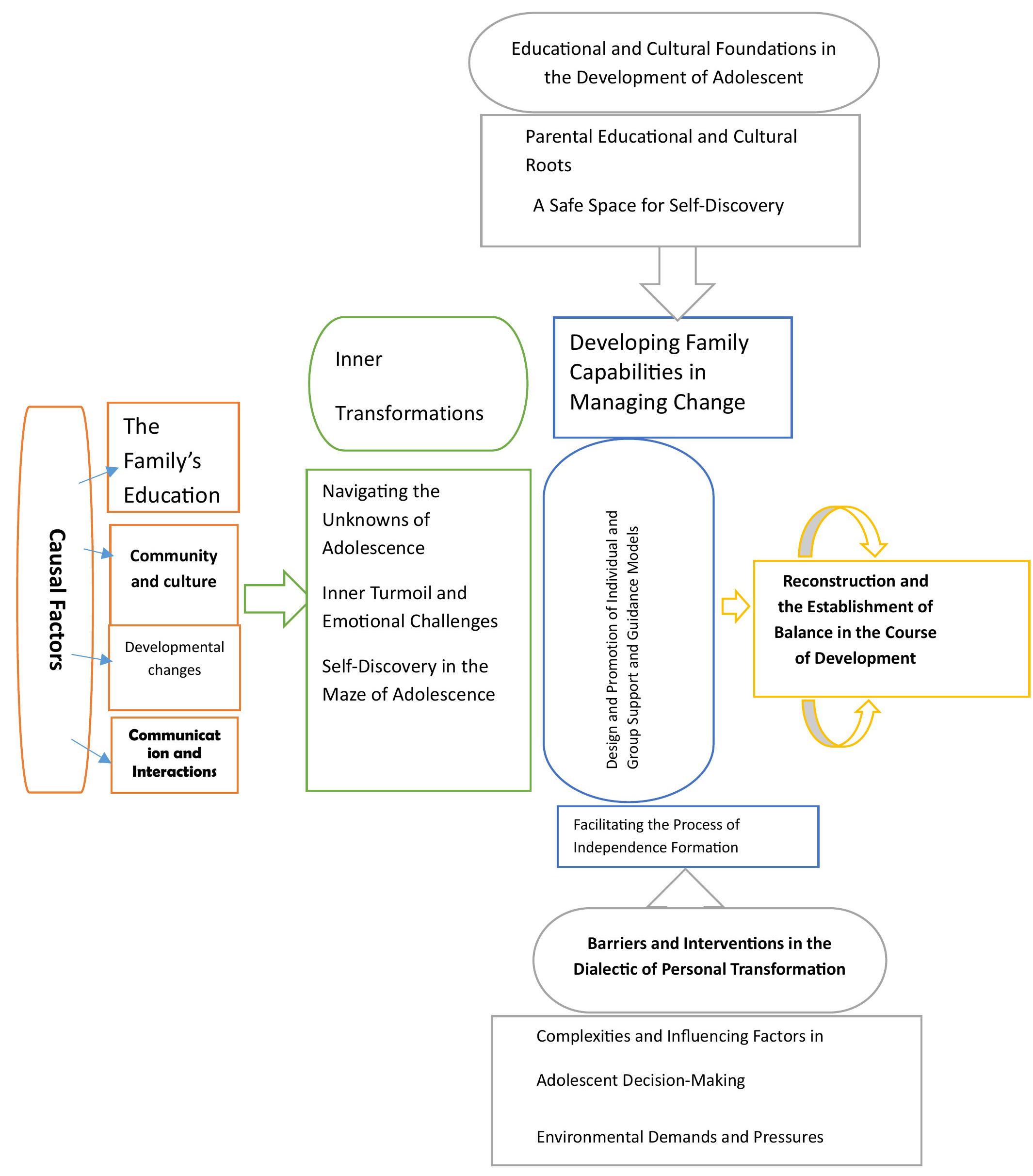
Figure 1. The figure shows a conceptual framework of family adaptation and capability development during the transition to adolescence.
4. Discussion
The findings demonstrated that parenting during the transition from childhood to adolescence is a complex developmental process influenced by adolescents’ internal transformations, family relationships, and sociocultural factors. Four major themes emerged: (1) internal changes during puberty, (2) educational and cultural foundations shaping adolescent development, (3) barriers and interventions in personal transformation, and (4) supportive strategies for enhancing family adaptation. The findings highlight that parents encounter challenges related to adolescents’ emotional changes, identity exploration, autonomy seeking, and emerging behaviors. Successful navigation of this transition requires parents to balance appropriate guidance, emotional support, and respect for adolescents’ growing independence.
The developmental changes observed during adolescence can be understood within the context of ongoing neurobiological maturation. Neuroimaging evidence suggests that adolescence involves significant changes in emotional processing, including alterations in amygdala responsiveness, which may reflect adolescents’ increasing capacity to cognitively reinterpret emotional experiences compared with childhood ( 21 ). However, emotional regulation remains relatively unstable during this period, partly due to continued maturation and synaptic pruning processes in brain regions involved in executive functioning and emotional control, particularly the prefrontal and temporal areas ( 6 ). These neurodevelopmental processes may help explain why adolescents simultaneously demonstrate emerging cognitive abilities and heightened emotional sensitivity.
Adolescence represents a period of social reorientation in which relationships with peers become increasingly influential alongside continued family connections. This restructuring of the social environment contributes to identity formation and the development of new social and emotional competencies ( 22 ). Such changes occur alongside neural maturation processes that support increasingly complex social behaviors, reciprocal relationships, and social decision-making ( 23 ). Therefore, adolescents’ movement toward peer-oriented experiences should not necessarily be interpreted as rejection of the family but rather as part of a normative developmental process requiring parental adaptation.
Another important aspect of this transition is adolescents’ gradual movement toward autonomy and independent decision-making. Although adolescents increasingly seek opportunities to make their own choices, they may still encounter situations that exceed their current cognitive and emotional capacities, increasing vulnerability to risk-taking behaviors, including substance use and unsafe sexual behaviors ( 24 ). This vulnerability is partly associated with the asynchronous development of brain systems involved in reward sensitivity, emotional regulation, and cognitive control. The prefrontal cortex and related regions involved in planning, judgment, and impulse regulation continue to mature throughout adolescence, with ongoing synaptic refinement contributing to changes in decision-making processes ( 25 ). Consequently, the developmental gap between emotional responses and cognitive regulation may influence adolescents’ judgment, sensation-seeking, and behavioral choices ( 26 ).
From a family perspective, adolescents’ increasing autonomy may also alter perceptions of parental authority and control. The participants’ experiences of adolescents challenging parental opinions are consistent with previous research demonstrating that adolescents increasingly perceive parental control as less legitimate and that parental regulation gradually declines as they develop greater independence ( 27 ). These findings suggest that effective parenting during adolescence requires a shift from direct control toward supportive guidance, negotiation, and communication. Rather than viewing adolescents’ resistance as merely oppositional behavior, parents may benefit from understanding it as part of the developmental process of identity formation and autonomy development.
One of the vital issues is the educational and cultural roots of parents, which significantly influence their behaviors and attitudes toward parenting styles and interactions with adolescents. Parents who have adopted their parenting models from their own families and cultures may apply the same approaches in their interactions with their adolescents. This issue is closely linked to parents modeling the parenting styles they experienced. In reality, parents may either replicate traditional parenting practices based on their upbringing or overcompensate for previous deficiencies in an exaggerated manner, both of which may not align with the needs of today’s adolescent generation. A notable cultural challenge is the taboo surrounding sexual matters. This taboo often limits or completely prohibits open conversations about important topics such as puberty, sexual identity, and relationships, causing adolescents to seek information from unreliable sources such as social media networks, peers, or friends. Despite clear and positive evidence highlighting the importance of parent-adolescent communication regarding sexual issues, many parents avoid these discussions. This avoidance is often due to a lack of knowledge, as well as feelings of embarrassment and anxiety related to communication. Parents intend to educate their adolescents on critical subjects like sexual health and relationships, yet fear and uncertainty about how and what to say create hesitation and anxiety ( 28 ). Parents who possess awareness, empathy, and a deep understanding of adolescents’ needs and developmental changes, while also maintaining rules, authority, and boundaries in parenting and interactions, lay a stronger foundation for parental competence. Furthermore, providing a safe and nonjudgmental environment—i.e., a secure space for self-exploration- plays a vital role in fostering adolescents’ independence and identity formation. Adolescents who perceive secure attachment relationships with their parents are more likely to have higher self-esteem ( 29 ). In the process of identity discovery, selfhood, and achieving independence, empathetic support and safe, intimate conversations are far more effective than punishment, criticism, and rigid rules of “dos and don’ts”. Parents should believe that planning based on the natural developmental trajectory of adolescence requires freedom for expression, experimentation, and making mistakes, rather than harsh restrictions and excessive controls. Several recent studies have indicated that supportive caregiving buffers stress-related changes in neural connectivity ( 30 ) and promotes structural development in prefrontal-amygdala circuits ( 31 ), potentially reducing anxiety by activating cortical regions during adolescence ( 32 ). These positive effects of supportive caregiving on adolescent mental health and neurodevelopment demonstrate that parent and caregiver relationships remain critically important for adolescent well-being, despite emerging independence and the increasing importance of peer relationships ( 3 ). When parents and adolescents can express both their distress and anger as well as affection and interest in each other’s perspectives, even share moments of laughter, new pathways and opportunities for communication are likely to emerge ( 33 ). Parents and educators should facilitate adolescents’ self-actualization and smooth developmental trajectories by recognizing their personality, interests, and talents when supporting school or skills class selection. Parental influence, in alignment with adolescents’ goals, plays a significant role in career and professional development. Environmental factors such as family, school, and friends also hold substantial influence and can directly or indirectly affect an adolescent’s vocational identity. Family, in particular, acts as a key agent in this process. The role of parental support, guidance, and expectations in shaping adolescents’ career goals and professional identity has been well established ( 34 ). Within families, there is often an implicit emphasis on children entering top universities. Consequently, adolescents feel pressured to excel academically and engage extensively in extracurricular activities, and these pressures typically begin during middle school years ( 35 ).
One of the core principles of adaptive parenting during adolescence is fostering adolescents’ development through encouragement rather than punishment and blame. Active listening, effective and healthy shared communication, and providing information about puberty and adolescence are essential tools in fostering empathetic and supportive interactions that help adolescents feel respected and understood. Leisure activities and spending private time together can strengthen the parent-child relationship and create a safe and friendly environment. Moreover, assigning responsibility and delegating problem-solving to adolescents should be accompanied by subtle parental supervision and control, enabling them to learn decision-making skills, problem-solving, and independence. Adolescence necessitates increasing adolescent independence, which leads to reduced behavioral control and a changing curve in parental support. Hypothetical reasons for this increased independence include adolescents’ distancing themselves from parents in search of a self-constructed identity (neuropsychoanalytic perspective), readiness for mature adult-like relationships (evolutionary view), and enhanced cognitive abilities that allow greater comparison of different viewpoints (cognitive perspective) ( 27 ). The desires adolescents have for independence mostly concern participation in family decision-making and harmonizing beliefs and assumptions that shape family relationships, rather than merely escaping parental control. Despite this growing independence, adolescents still rely on their parents for emotional support. Cooperative and shared support, along with efforts to maintain mental health and personal development, also help families play an effective and conscious supportive role during this sensitive stage. Consistent with these findings, the transition to parenthood has been described as a developmental period that benefits from educational and supportive interventions designed to enhance parents’ awareness, strengthen marital functioning and communication, and facilitate adaptation to the changing personal and family demands of this life stage ( 36 ). Similarly, studies showed that acquiring knowledge, skills, and understanding, along with experiencing acceptance and support from other parents in parenting groups, enables parents to regain control and feel more capable of coping ( 35 - 37 ).
In addition, the findings indicated that adolescence represents a developmental transition that requires continuous adaptation by both adolescents and their parents. Participants described this period as involving emotional fluctuations, identity exploration, increasing autonomy, and changes in family relationships. These experiences are consistent with developmental theories suggesting that adolescence is characterized by profound biological, psychological, and social changes that influence emotional regulation, decision-making, and interpersonal relationships ( 21 - 23 ). The participants’ accounts further suggest that parents experience this transition not only as a period of behavioral change in their adolescents but also as a process requiring modifications in parenting practices, communication styles, and family interactions. These findings support the view that effective parenting during adolescence depends on balancing emotional support with appropriate autonomy, enabling adolescents to develop independence while maintaining secure family relationships ( 24 - 27 ).
4.1. Limitations
This study relied on interviews with families, which, while rich in depth, may not fully capture the broader diversity of parental and adolescent experiences across different regions, socioeconomic backgrounds, or family structures. In addition, The findings are shaped by the cultural, social, and educational norms of the participants’ environment. Therefore, generalizing the results to societies with different cultural taboos, parenting norms, or adolescent developmental expectations should be done cautiously.
5. Conclusions
Successful parenting during the transition from childhood to adolescence requires understanding adolescents’ behavioral, emotional, and cognitive transformations and adapting parenting approaches accordingly. This study highlights the importance of supportive family environments, effective communication, and balanced guidance in helping adolescents develop autonomy, identity, and emotional competence. Parents who provide empathy, trust, and appropriate opportunities for independence can facilitate healthier developmental outcomes and reduce family conflicts. The findings emphasize the value of parent education programs, counseling, and skill-based interventions to strengthen parenting capacities. Future longitudinal research is recommended to examine changes in parental strategies across different stages of adolescent development. Also, future research should use larger, more diverse samples, adopt longitudinal designs, and include multiple informants such as adolescents and educators to provide a more comprehensive understanding.
Acknowledgement
This article was extracted from the PhD dissertation of Ms. Somayeh Seyed-Karimi in the Department of Psychology, Sav.C., Islamic Azad University, Saveh Branch, Iran. Also, the authors would like to appreciate the participants for their cooperation.
Authors’ Contributions
Somayeh Seyed-Karimi: Contributions to the conception and design of the work; the acquisition, analysis, and interpretation of data for the work; drafting the work. Anahita Khodabakhshi-Koolaee: Contributions to the conception and design of the work; the acquisition, analysis, and interpretation of data for the work; drafting the work and reviewing it critically for important intellectual content. Mohammad Reza Falsafinejad: Contributions to the design of the work and interpretation of data; drafting the work. Azadeh Farghadani: Contributions to the design of the work and interpretation of data; drafting the work. All authors have read and approved the final version of the manuscript and agree to be accountable for all aspects of the work, ensuring that any questions related to the accuracy or integrity of any part of the work are appropriately investigated and resolved.
Declaration of AI
The authors acknowledge the use of AI-assisted tools (ChatGPT/OpenAI) for language editing. All content was manually reviewed and edited by the authors to ensure its accuracy and academic integrity; the authors take full responsibility for the final content of the manuscript.
Conflict of Interest
None declared.
Funding
None.
Ethical Approval
The Ethics Review Board of Islamic Azad University, Arak Branch, Iran approved the present research with the code of IR.IAU.ARAK.REC.1403.220. Also, written informed consent was obtained from all participants.
References
- Gniewosz G, Gniewosz B. Psychological adjustment during multiple transitions between childhood and adolescence. The Journal of Early Adolescence. 2020; 40(4):566-598. DOI
- Inchley JC, Stevens GW, Samdal O, Currie DB. Enhancing Understanding of Adolescent Health and Well-Being: The Health Behaviour in School-aged Children Study. J Adolesc Health. 2020; 66(6):S3-5. DOI | PubMed
- Sisk LM, Gee DG. Stress and adolescence: vulnerability and opportunity during a sensitive window of development. Curr Opin Psychol. 2022; 44:286-292. Publisher Full Text | DOI | PubMed [ PMC Free Article ]
- Ross DA, Hinton R, Melles-Brewer M, Engel D, Zeck W, Fagan L, et al. Adolescent Well-Being: A Definition and Conceptual Framework. J Adolesc Health. 2020; 67(4):472-476. Publisher Full Text | DOI | PubMed [ PMC Free Article ]
- Petersen KJ, Humphrey N, Qualter P. Dual-Factor Mental Health from Childhood to Early Adolescence and Associated Factors: A Latent Transition Analysis. J Youth Adolesc. 2022; 51(6):1118-1133. Publisher Full Text | DOI | PubMed [ PMC Free Article ]
- Mastorci F, Lazzeri MFL, Vassalle C, Pingitore A. The Transition from Childhood to Adolescence: Between Health and Vulnerability. Children. 2024; 11(8):989. Publisher Full Text | DOI | PubMed [ PMC Free Article ]
- Boat AA, Hirano KA, Roehlkepartain E. Parent and adolescent perceptions of parent–child developmental relationships: The role of family routines. Family Relations. 2025; 74(1):395-411. DOI
- Kapetanovic S, Nielsen MD, André F, Gurdal S, Claesdotter-Knutsson E. Exploring parent-child relationships in a Swedish child and adolescent psychiatry-cohort of adolescents with internet gaming disorder. BMC Psychol. 2025; 13(1):18. Publisher Full Text | DOI | PubMed [ PMC Free Article ]
- Pekel K, Roehlkepartain EC, Syvertsen AK, Scales PC, Sullivan TK, Sethi J. Finding the fluoride: Examining how and why developmental relationships are the active ingredient in interventions that work. Am J Orthopsychiatry. 2018; 88(5)
- Boor Boor B, Khodabakhshi-Koolaee A, Falsafinezhad MR. Communication Challenges of Parents and Their Adolescent Daughters With an Emphasis on Social Media Use: A Content Analysis Study. Journal of Research and Health. 2021; 11(4):235-44. DOI
- Triandis HC. Individualism and collectivism. New York, NY: Routledge; 2018. DOI
- Polacsek M, McCann T. Understanding, choosing and applying grounded theory: Part 1. Nurse Res. 2018; 26(3):43-49. DOI | PubMed
- Evans GL. A Novice Researcher’s First Walk Through the Maze of Grounded Theory: Rationalization for Classical Grounded Theory. Grounded Theory Review. 2013; 12(01):37-55.
- Birks M, Mills J . Grounded Theory: A Practical Guide. London: Sage Publications; 2022.
- Holloway I, Galvin K. Qualitative Research in Nursing and Healthcare. Hoboken, NJ, USA: John Wiley and Sons; 2023.
- Corbin J, Strauss A. Basics of Qualitative Research: Techniques and Procedures for Developing Grounded Theory. London: Sage Publications; 2014.
- Guest G, Bunce A, Johnson L. How Many Interviews Are Enough?: An Experiment with Data Saturation and Variability. Field Methods. 2006; 18(1):59-82. DOI
- Misoch S. Qualitative Interviews. Berlin, Boston: De Gruyter, Oldenbourg; 2019. DOI
- Bazeley P, Jackson K. Qualitative Data Analysis with NVivo. London: Sage Publications; 2013.
- Saldana J. The Coding Manual for Qualitative Researchers. London: Sage Publications; 2013.
- Silvers JA, Insel C, Powers A, Franz P, Helion C, Martin R, et al. The transition from childhood to adolescence is marked by a general decrease in amygdala reactivity and an affect-specific ventral-to-dorsal shift in medial prefrontal recruitment. Dev Cogn Neurosci. 2017; 25:128-137. Publisher Full Text | DOI | PubMed [ PMC Free Article ]
- Fuligni AJ. The Need to Contribute During Adolescence. Perspect Psychol Sci. 2019; 14(3):331-343. Publisher Full Text | DOI | PubMed [ PMC Free Article ]
- Malti T, Dys SP. From being nice to being kind: Development of prosocial behaviors. Curr Opin Psychol. 2018; 20:45-49. DOI | PubMed
- Alderman EM, Breuner CC. Committee on Adolescence. Unique Needs of the Adolescent. Pediatrics. 2019; 144(6):e20193150. DOI | PubMed
- Gogtay N, Giedd JN, Lusk L, Hayashi KM, Greenstein D, Vaituzis AC, et al. Dynamic mapping of human cortical development during childhood through early adulthood. Proc Natl Acad Sci U S A. 2004; 101(21):8174-9. Publisher Full Text | DOI | PubMed [ PMC Free Article ]
- Steinberg L. Risk taking in adolescence: what changes, and why? Ann N Y Acad Sci. 2004; 1021:51-8. DOI | PubMed
- Mastrotheodoros S, Van der Graaff J, Deković M, Meeus WHJ, Branje SJT. Coming Closer in Adolescence: Convergence in Mother, Father, and Adolescent Reports of Parenting. J Res Adolesc. 2019; 29(4):846-862. Publisher Full Text | DOI | PubMed [ PMC Free Article ]
- Holman A, Koenig Kellas J. “Say something instead of nothing”: Adolescents’ perceptions of memorable conversations about sex-related topics with their parents. Communication Monographs. 2018; 85(3):357-379. DOI
- Keizer R, Helmerhorst KO, van Rijn-van Gelderen L. Perceived Quality of the Mother-Adolescent and Father-Adolescent Attachment Relationship and Adolescents’ Self-Esteem. J Youth Adolesc. 2019; 48(6):1203-1217. Publisher Full Text | DOI | PubMed [ PMC Free Article ]
- McLaughlin KA, Weissman D, Bitrán D. Childhood Adversity and Neural Development: A Systematic Review. Annu Rev Dev Psychol. 2019; 1:277-312. Publisher Full Text | DOI | PubMed [ PMC Free Article ]
- Whittle S, Vijayakumar N, Simmons JG, Dennison M, Schwartz O, Pantelis C, et al. Role of Positive Parenting in the Association Between Neighborhood Social Disadvantage and Brain Development Across Adolescence. JAMA Psychiatry. 2017; 74(8):824-832. Publisher Full Text | DOI | PubMed [ PMC Free Article ]
- Butterfield RD, Silk JS, Lee KH, Siegle GS, Dahl RE, Forbes EE, et al. Parents still matter! Parental warmth predicts adolescent brain function and anxiety and depressive symptoms 2 years later. Dev Psychopathol. 2021; 33(1):226-239. Publisher Full Text | DOI | PubMed [ PMC Free Article ]
- Branje S. Development of Parent-Adolescent Relationships: Conflict Interactions as a Mechanism of Change. Child Dev Perspect. 2018; 12:171-176. DOI
- Rogers ME, Creed PA, Praskova A. Parent and adolescent perceptions of adolescent career development tasks and vocational identity. Journal of Career Development. 2018; 45(1):34-49. DOI
- Ebbert AM, Infurna FJ, Luthar SS. Mapping developmental changes in perceived parent–adolescent relationship quality throughout middle school and high school. Dev Psychopathol. 2019; 31(4):1541-1556. DOI | PubMed
- Gilmer C, Buchan JL, Letourneau N, Bennett CT, Shanker SG, Fenwick A, et al. Parent education interventions designed to support the transition to parenthood: A realist review. Int J Nurs Stud. 2016; 59:118-33. DOI | PubMed
- Butler J, Gregg L, Calam R, Wittkowski A. Parents’ Perceptions and Experiences of Parenting Programmes: A Systematic Review and Metasynthesis of the Qualitative Literature. Clin Child Fam Psychol Rev. 2020; 23(2):176-204. Publisher Full Text | DOI | PubMed [ PMC Free Article ]

