
1. Introduction
Developmental coordination disorder (DCD), a prevalent neurodevelopmental condition affecting approximately 5–6% of schoolaged children, is characterized by marked impairments in motor coordination and diminished engagement in physical activities. These difficulties adversely affect physical, mental, and social wellbeing ( 1 , 2 ). As a result of motor impairments, children with DCD participate less frequently in sports and outdoor play ( 3 ), thereby missing the mechanical stimuli that are essential for optimal bone development. This inactivity not only compromises cardiovascular health but also increases the risk of reduced bone density and poor skeletal health ( 1 , 2 ). Compared with their typically developing peers, children with DCD demonstrate lower levels of physical fitness, including reduced endurance, balance, and muscle strength ( 3 , 4 ). These functional limitations often trigger a vicious cycle: reduced physical activity decreases the load on bones, which slows bone growth and reduces bone mass. This, in turn, increases the long-term risk of osteoporosis ( 4 ). Because childhood and adolescence represent critical periods for bone mass acquisition, disruptions during these developmental windows may have lasting consequences for skeletal health ( 5 ). Achieving optimal peak bone mass (PBM)—typically attained in late adolescence or early adulthood—is a key protective factor against osteoporosis and agerelated fractures later in life ( 6 ). Bone density and skeletal structure are primarily influenced by two interrelated factors including adequate nutrition, particularly sufficient calcium intake, and mechanical loading through physical activity ( 7 ). According to the Mechanostat theory, bone tissue adapts to mechanical forces, and in the absence of adequate loading, bone growth and mineralization are compromised ( 8 , 9 ). Children with DCD, due to their mobility limitations, experience reduced mechanical loading, which contributes to lower bone mineral density (BMD) and an elevated risk of fractures and osteoporosis ( 10 ). Calcium, the primary mineral component of bone, is essential for maintaining skeletal strength, and deficiencies are associated with an increased risk of fractures and osteoporosis ( 11 , 12 ). However, findings regarding calcium supplementation in children with developmental disorders remain inconsistent; some studies suggested that the combination of physical exercise and calcium supplementation produces a synergistic effect, yielding greater benefits than either intervention alone ( 13 , 14 ). Other research indicated that physical activity exerts sitespecific effects on particular bone regions, whereas calcium supplementation supports systemic bone growth, suggesting that the two approaches may be complementary when combined ( 15 ). In contrast to these findings, another previous findings reported that calcium intake or exercise alone do not provide significant benefits ( 16 ). These mixed findings underscore the importance of conducting targeted investigations within specific populations, like children with DCD. Although structured training programs have been shown to improve bone health indicators in various pediatric populations, general exercise prescriptions may be ineffective or discouraging for children with DCD due to their motor coordination challenges. Therefore, training programs specifically designed to be accessible, engaging, and effective for individuals with coordination difficulties are essential ( 7 ). Such programs typically emphasize the development of fundamental motor skills, balance, and strength, thereby fostering the confidence and competence required for sustained participation in physical activity ( 10 ). Despite the independent effects of exercise and calcium intake on bone health, a significant research gap remains concerning their combined and potentially synergistic effects in children with DCD. While some studies examined the effects of exercise on bone properties in adolescents with DCD ( 17 , 18 ), and others explored the interaction between calcium intake and physical activity in typically developing children ( 19 , 20 ), no comprehensive study to date, based on the literature search, has evaluated the simultaneous effects of calcium supplementation and a specialized exercise program tailored to the motor needs of children with DCD. This gap in the literature, together with the high prevalence of physical inactivity, inadequate calcium intake, and the serious short and longterm consequences of reduced bone density, including osteoporosis, fractures, and frailty in later life, highlight the urgent need for effective and evidencebased interventions to promote skeletal health in this population. Accordingly, the present study was designed to investigate the combined effects of calcium supplementation and a structured exercise program tailored to motor ability on bone mineral density in children with DCD.
2. Method
2.1. Design
This was a quasi-experimental study with a pre-test–post-test design and a control group. The study was conducted in Yasouj, Iran between January and September 2025.
2.2. Selection and Description of Participants
The statistical population were all 7-10-year-old male students with DCD from primary schools in Yasouj, Iran in 2025, selected through multi-stage cluster sampling. Ten male primary schools were selected, and, with parental permission, students underwent DCD screening. The screening process was conducted in two stages. First, parents completed the Developmental Coordination Disorder Questionnaire (DCDQ 7), and children who obtained scores below 47 were identified as potential cases of DCD. Subsequently, the Movement Assessment Battery for Children–Second Edition (MABC 2) was administered to confirm the diagnosis. Children whose total MABC 2 scores were at or below the 5th percentile, as verified by the evaluators using the MABC 2 checklist, were classified as having DCD ( 21 ). From a total statistical population of 1140 male students, 80 eligible individuals were selected after screening and applying the inclusion and exclusion criteria. The inclusion criteria were: male gender, 10 to 12 years of age, IQ above 75 as measured by the Wechsler Intelligence Scale ( 22 ), obtaining a threshold score on the Persian Motor Observation Questionnaire for Teachers (PMOQ-T) ( 23 ), meeting the eligible score ranges on both the DCDQ7 ( 24 ) and the MABC-2 test, providing written parental consent, and the absence of other physical or mental health problems. The exclusion criteria were: non-cooperation during the intervention period, absence from more than 10% of the sessions, physical injury affecting the implementation of the intervention, and failure to complete pre-test or post-test assessments. The participants were randomly divided, using a random number table, into four groups of 20 each: 1) Training with calcium supplementation (TR+ Ca+), 2) Training without calcium supplementation (TR+ Ca-), 3) No training with calcium supplementation (TR- Ca+), and 4) Control group without training and without calcium supplementation (TR- Ca-) (Figure 1).
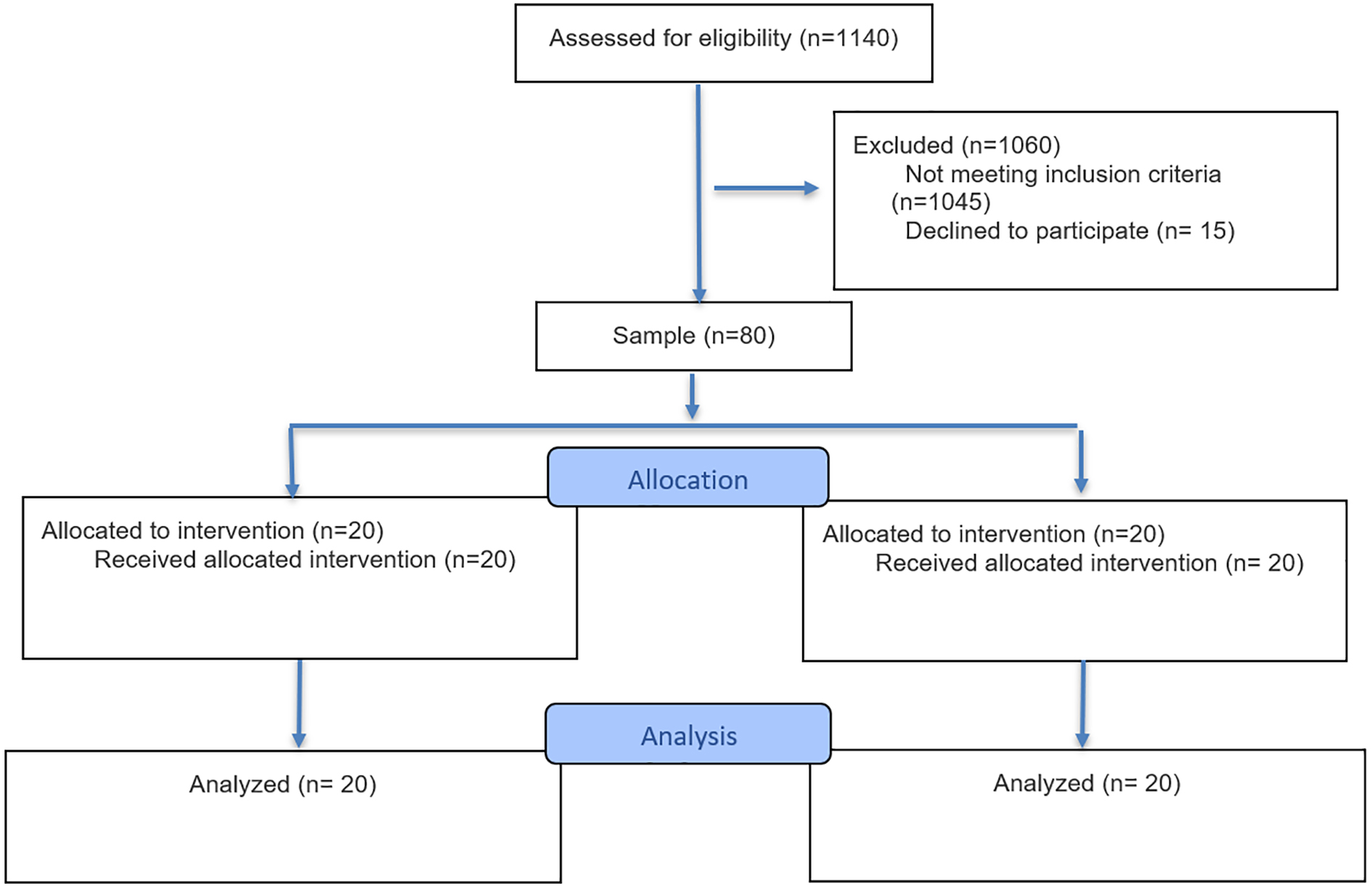
Figure 1. The figure shows the CONSORT flow diagram of the study.
2.3. Sample Size Determination
Sample size estimation was done based on pre- and post-intervention femoral neck Bone Mineral Density (BMD) values (mean±SD: 0.542±0.048 to 0.681±0.052 g/cm² in the intervention group and 0.538±0.050 to 0.547±0.049 g/cm² in the control group) reported in a study involving children with Down syndrome ( 14 ). This population was selected for comparison as their bone mineral deficiency and growth characteristics are physiologically comparable with those observed in children with DCD ( 25 ). Using these mean and standard deviation values, a significance level of α=0.05, and a power of 0.95, analysis performed in G*Power software indicated that at least 75 participants were required to participate in the study. To account for potential sample attrition, 80 participants were recruited and randomly assigned to four groups, with 20 participants in each group.
2.4. Data Collection and Measurements
The Developmental Coordination Disorder Questionnaire (DCDQ7), Persian Motor Observation Questionnaire for Teachers (PMOQ-T), Movement Assessment Battery for Children – Second Edition (MABC-2) and Wechsler Intelligence Scale Short Form were used to identify DCD children. Bone mineral density at the right proximal femoral neck was assessed via dualenergy Xray absorptiometry.
2.4.1. Developmental Coordination Disorder Questionnaire (DCDQ-7): The Wilson Developmental Coordination Disorder Questionnaire (DCDQ7) is a standardized screening instrument used to identify developmental coordination disorder in children ( 26 ). The revised version of this questionnaire was developed by Wilson in 2009 for individuals aged 5 to 15 years. It consists of 15 items organized into three domains: motor control (6 items), handwriting and fine motor skills (4 items), and general coordination (5 items). Responses are rated on a fivepoint Likert scale, yielding a total score ranging from 15 to 75 (24). According to the DCDQ7 scoring criteria, children aged 5–7 years and 11 months with scores between 15 and 46, children aged 8–9 years and 11 months with scores between 15 and 55, and children aged 10–15 years with scores between 15 and 57 are classified as being at risk for, or presenting with, developmental coordination disorder. The Persian version of DCDQ7 has demonstrated excellent psychometric properties, including high internal consistency (Cronbach’s α=0.85), strong test–retest reliability (r=0.93), a content validity index (CVI) of 0.91, and a content validity ratio (CVR) of 0.87, confirming its robust content validity ( 24 , 26 ).
2.4.2. Persian Motor Observation Questionnaire for Teachers (PMOQ-T): This questionnaire comprises 18 items designed to assess both gross and fine motor performance in children aged 5 to 11 years. The total scores derived from teacher assessments are subsequently converted into percentile ranks. Children whose scores fall between the 16th and 100th percentiles are classified as having typical motor development, whereas those scoring below the 16th percentile are identified as having developmental coordination disorder. PMOQ-T demonstrated a Cronbach’s α of 0.91, test–retest reliability of r=0.89, a CVI of 0.92, and a CVR of 0.86, indicating high reliability and expert agreement ( 23 ).
2.4.3. Movement Assessment Battery for Children – Second Edition (MABC-2): MABC-2 is a standardized and normreferenced assessment tool for motor development specialists, designed for the broader diagnosis of developmental coordination disorder. It comprises two functional sections and a checklist. The functional component consists of three subscales: manual dexterity, aiming and catching, and balance, and is applicable for children aged 3 to 16 years ( 27 ). According to normative criteria, participants who obtain a standard score of 5 on the functional test—corresponding to the 5th percentile—are classified as having a severe and clinically significant motor impairment and are placed in the red zone. A standard score of 7, corresponding to a percentile rank between the 6th and 15th percentiles, indicates that the individual is at risk of a motor impairment (probable motor difficulty). Participants with percentile ranks of 16 or higher are considered unlikely to present with a motor problem and are classified within the green zone. The reliability and validity of this assessment tool have been evaluated and confirmed across multiple international populations ( 21 , 27 ). In Iran, validation of the Persian adaptation of the Movement Assessment Tests for Children - Second Edition (MABC 2) has shown strong inter-rater reliability (ICC=0.94), high internal consistency (Cronbach’s alpha=0.89), content validity index (CVI) of 0.93, and content validity ratio (CVR) of 0.88 ( 28 ).
2.4.4. Wechsler Intelligence Scale Short Form: The Wechsler Intelligence Scale for Children (WISC) is a standardized instrument designed to assess the intellectual functioning of children aged 5 to 15 years ( 22 ). The full version of the scale comprises 12 subtests, two of which—Digit Span (Numerical Memory) and Mazes—are optional and may be used as substitutes for other subtests when necessary. Based on their cognitive demands, the subtests are organized into two domains including verbal and nonverbal (performance). The verbal domain includes General Information, Comprehension, Arithmetic, Similarities, Vocabulary, and Digit Span, while the nonverbal domain consists of Picture Completion, Picture Arrangement, Block Design, Object Assembly, Mazes, and Coding. In the present study, the revised shortform version of WISC was administered to screen participants’ intellectual functioning. Children with IQ scores below 75 were excluded from the study. WISC has demonstrated satisfactory validity and reliability, supported by evidence from splithalf and test–retest analyses ( 22 ). In addition, the Persian shortform version of the Wechsler Intelligence Scale for Children has shown strong psychometric properties, including high internal consistency (Cronbach’s α=0.90), good test–retest reliability (r=0.87), a content validity index (CVI) of 0.89, and a content validity ratio (CVR) of 0.85 ( 29 ).
2.5. Procedure
Following pilot testing, participant screening, and group allocation, parents of the study participants completed a lifestyle questionnaire designed for children with DCD. The questionnaire collected information on previous injuries, current and past physical activity levels, medication use, and past and present medical conditions. Baseline comparisons indicated no significant differences among the groups with respect to physical condition, dietary intake, or calcium consumption. Furthermore, none of the participants had concomitant diseases or were taking medications that affect bone metabolism or skeletal structure. Bone mineral density (BMD; g/cm²) of the right proximal femoral neck was assessed at the pretest stage using dualenergy Xray absorptiometry (DXA). Based on adult reference scans, the femoral neck measurement accuracy was reported to be 99%. All scans were performed and analyzed using standard positioning procedures and conventional analysis software. During each data collection period, interoperator reliability scans were conducted on site. BMD measurements demonstrated high reliability (r=0.98), with an estimated measurement bias of approximately 1%. Participants assigned to the training plus calcium group (TR+ Ca+) and the trainingonly group (TR+ Ca−) engaged in a structured 50minute weightbearing exercise program three times per week for nine months ( 14 ). The training protocol included activities such as walking, running, jumping, lunging, and galloping and was supervised by trained physical education teachers. Participants in the calciumonly group (TR− Ca+) and the training plus calcium group (TR+ Ca+) received 2000 cc of vitamin Dfortified cow’s milk daily, providing an additional 250 mg of calcium per day ( 13 , 14 ). Participants were instructed to consume one designated food item each day. Written informed consent was obtained from both participants and their parents after they were fully informed about the study procedures. The study participants and their families were assured of the confidentiality of all collected data and were encouraged to actively engage in the research process. The bone mineral density of the research groups’ proximal femoral necks was assessed once more as a post-test following the implementation of training treatments and calcium intake.
2.6. Data Analysis
Data analysis was done by assessing the normality of variable distributions using the Kolmogorov–Smirnov test and evaluating the homogeneity of variances via Levene’s test. Within-group changes in femoral neck BMD from pre-test to post-test were analyzed using paired-sample t-tests conducted separately for each of the four groups. To examine between-group differences, independent-sample t-tests were performed on the mean change scores (ΔBMD=post-test − pre-test) to compare the magnitude of BMD improvement across groups. Pairwise comparisons were carried out both among all intervention groups and between each intervention group and the control group. Effect sizes (Cohen’s d) were calculated to quantify the magnitude of differences, interpreted as small (0.2), medium (0.5), and large (≥0.8). A significance level of 0.05 was used to determine statistical significance for all analyses. All data were analyzed using SPSS version 26.
3. Results
Eighty boys aged 7–10 years with a confirmed diagnosis of developmental coordination disorder (DCD) were enrolled in the present study. 80 eligible participants were randomly assigned to four groups, with 20 participants in each group. Baseline characteristics—including age, anthropometric measures, IQ, physical activity level, dietary calcium intake, and femoral neck bone mineral density (BMD)—were comparable across all groups, with no statistically significant differences observed (all P>0.05). A summary of baseline data is presented in Table 1.
| Variables | TR+ Ca+ | TR+ Ca- | TR– Ca+ | TR– Ca– | P |
|---|---|---|---|---|---|
| Age (years) | 8.62±1.17 | 8.70±1.07 | 8.55±1.30 | 8.60±1.02 | 0.84 |
| Height (cm) | 134.20±2.10 | 133.8±2.13 | 133.7±2.15 | 134.10±2.11 | 0.79 |
| Weight (kg) | 36.22±1.78 | 35.95±2.10 | 36.22±1.60 | 35.98±2.13 | 0.88 |
| Intelligence Quotient (IQ) | 85.10±2.13 | 85.8±2.17 | 84.97±2.20 | 85.5±2.14 | 0.74 |
| Physical Activity (h/day) | 1.28±0.34 | 1.21±0.42 | 1.32±0.33 | 1.25±0.48 | 0.67 |
| Dietary Calcium (mg/day) | 577±48.60 | 569±55.30 | 587±35.73 | 581±39.10 | 0.59 |
| Baseline BMD (g/cm²) | 0.531±0.049 | 0.529±0.047 | 0.538±0.051 | 0.530±0.039 | 0.91 |
| TR+ Ca+: training plus calcium; TR+ Ca-: training without calcium; TR– Ca+: Calcium without training; TR– Ca–: Without training and calcium; BMD: Bone Mineral Densitometry; Data are presented as mean±standard deviation. P-values represent results of one-way ANOVA comparing baseline characteristics among the four groups. All between-group differences were non-significant (P>0.05). | |||||
3.1. Within-Group Comparisons
At baseline, femoral neck bone mineral density (BMD) values were comparable across all study groups. Following the ninemonth intervention period, significant withingroup increases in BMD were observed in all intervention groups (P<0.05), whereas no significant change was detected in the control group. Specifically, mean±SD femoral neck BMD increased from 0.531±0.049 to 0.729±0.051 g/cm² in the training plus calcium group (TR+ Ca+; P<0.001), from 0.529±0.047 to 0.633±0.044 g/cm² in the trainingonly group (TR+ Ca⁻; P=0.001), and from 0.538±0.051 to 0.597±0.062 g/cm² in the calciumonly group (TR⁻ Ca+; P=0.04). In contrast, the control group (TR⁻ Ca⁻) showed no significant difference between pre and postintervention BMD values (0.530±0.039 vs. 0.531±0.041 g/cm²; P=0.24) (Table 2). Effect size analysis revealed large withingroup effects for the TR+ Ca+ group (d=1.46) and the TR+ Ca- group (d=1.28), a moderatetolarge effect for the TR⁻ Ca+ group (d=0.83), and a negligible effect for the control group (d=0.09). These findings indicated that the combined intervention of weightbearing exercise and calcium supplementation produced the greatest withingroup improvement in femoral neck BMD.
| Groups | Pre-interval BMD(g/cm2) | Post-interval BMD(g/cm2) | Mean Differences | P | ||
|---|---|---|---|---|---|---|
| Mean | SD | Mean | SD | |||
| TR+ Ca+ | 0.531 | 0.049 | 0.729 | 0.051 | 0.152 | 0.001* |
| TR+ Ca- | 0.529 | 0.047 | 0.633 | 0.044 | 0.104 | 0.001* |
| TR – Ca+ | 0.538 | 0.051 | 0.597 | 0.062 | 0.059 | 0.04* |
| TR – Ca- | 0.530 | 0.039 | 0.531 | 0.041 | 0.011 | 0.241 |
| TR+ Ca+: training plus calcium; TR+ Ca-: training without calcium; TR – Ca+: Calcium without training; TR – Ca-: Without training and calcium; BMD: Bone Mineral Densitometry; P<0.05 indicates significant within-group difference (paired t-test). | ||||||
3.2. Between-Group Comparisons
Independent ttest analyses (Table 3) demonstrated that the combined intervention group (TR⁺ Ca⁺) achieved significantly greater gains in femoral neck bone mineral density (BMD) compared with the trainingonly (TR⁺ Ca⁻), calciumonly (TR⁻ Ca⁺), and control (TR⁻ Ca⁻) groups (P<0.001). In addition, the trainingonly group exhibited a significantly larger increase in BMD than the calciumonly group (P=0.032). Both intervention groups also showed significantly greater BMD improvements than the control group (P<0.05). Betweengroup effect size analysis further confirmed these findings, revealing large differences in BMD gains between the TR⁺ Ca⁺ group and the TR⁺ Ca⁻ group (d=1.04), the TR⁺ Ca⁺ group and the TR⁻ Ca⁺ group (d=1.31), and the TR⁺ Ca⁺ group and the control group (d=1.62). A moderatetolarge effect size was also observed when comparing the trainingonly group with the calciumonly group (d=0.71). A graphical illustration of femoral neck BMD changes across groups is presented in Figure 2. Overall, these results underscored the pronounced synergistic effect of combining weightbearing exercise with calcium supplementation on femoral neck BMD in children with DCD.
| Group Comparison | Mean Difference | t | Df | P |
|---|---|---|---|---|
| TR⁺ Ca⁺ vs. TR⁺ Ca⁻ | +0.094 | 4.52 | 38 | 0.001* |
| TR⁺ Ca⁺ vs. TR⁻ Ca⁺ | +0.139 | 5.87 | 38 | 0.001* |
| TR⁺ Ca⁺ vs. TR⁻ Ca⁻ | +0.197 | 7.23 | 38 | 0.001* |
| TR⁺ Ca⁻ vs. TR⁻ Ca⁺ | +0.045 | 2.23 | 38 | 0.032* |
| TR⁺ Ca⁻ vs. TR⁻ Ca⁻ | +0.103 | 3.98 | 38 | 0.001* |
| TR⁻ Ca⁺ vs. TR⁻ Ca⁻ | +0.058 | 2.64 | 38 | 0.012* |
| TR+ Ca+: training plus calcium; TR+ Ca–: training without calcium; TR– Ca+: Calcium without training; TR– Ca–: Without training and calcium; P<0.05 indicates significant between-group difference. | ||||
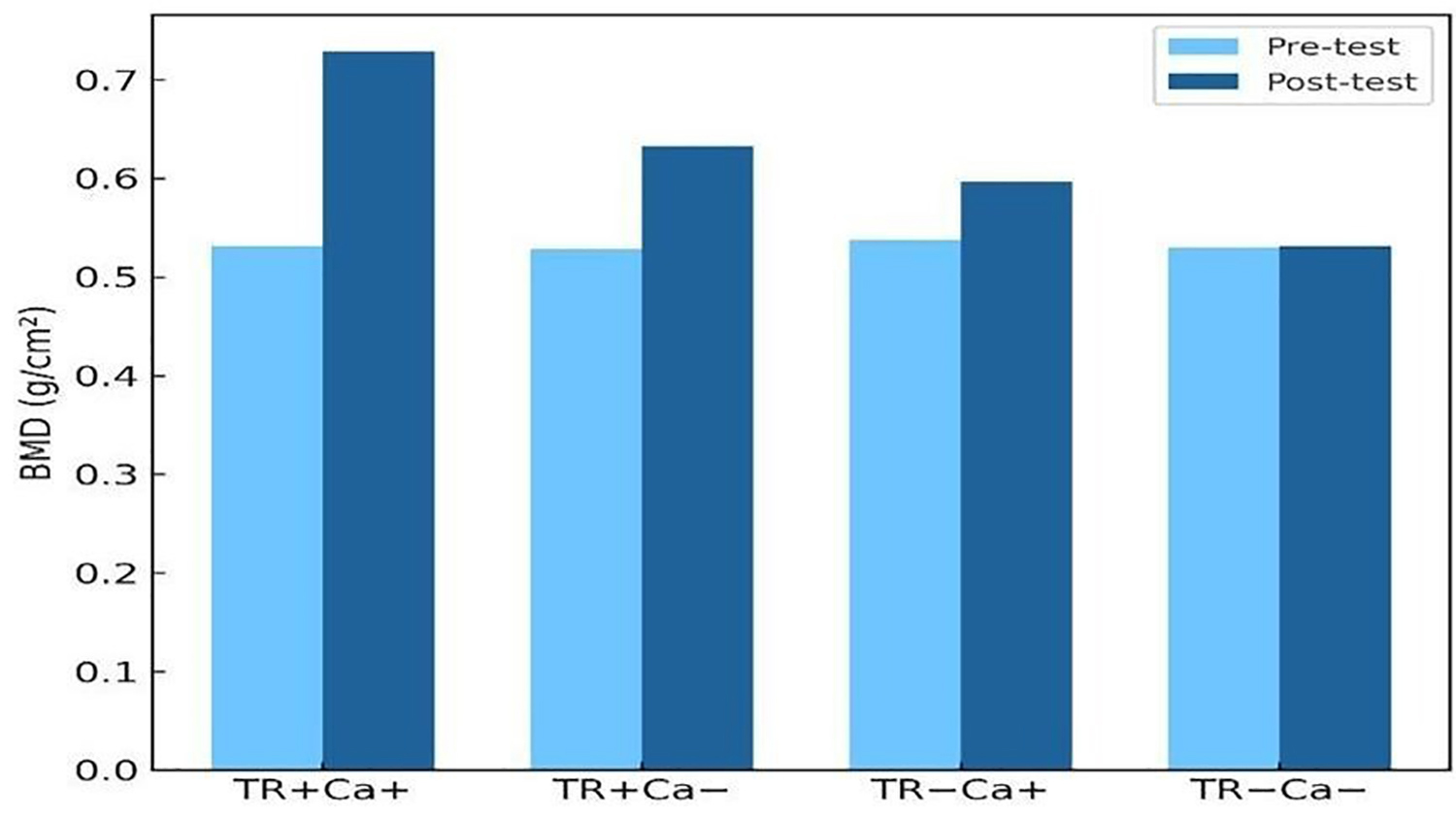
Figure 2. The figure shows the graphical representation of the research group performance. TR+ Ca+: training plus calcium supplementation group; TR+ Ca-: training without calcium supplementation group; TR- Ca+: calcium supplementation without training group; TR- Ca-: control group (without training and without calcium supplementation); BMD: Bone Mineral Density; Data are presented as mean±standard deviation.
4. Discussion
The present study examined the independent and combined effects of weightbearing exercise and calcium supplementation on femoral neck bone mineral density in children with DCD. Statistical analyses using paired and independent ttests revealed significant within and betweengroup differences in BMD, demonstrating that both interventions exerted beneficial effects on skeletal health. However, the primary finding was that the combined intervention of calcium supplementation and structured training (TR⁺ Ca⁺) produced the greatest improvement in femoral neck BMD. Specifically, the combined intervention yielded a 17.6% greater BMD gain than training alone (TR⁺ Ca⁻), indicating a clear synergistic effect. In addition, the findings showed that the osteogenic effect of training exceeded that of calcium supplementation alone. The trainingonly group demonstrated an 8.7% greater improvement in BMD compared with the calciumonly group (TR⁻ Ca⁺), underscoring the dominant role of mechanical loading in bone adaptation during childhood. Collectively, these results supported the initial hypothesis of the study and added robust evidence to the growing body of literature highlighting the synergistic interaction between mechanical stimuli and nutritional factors in promoting skeletal health among children with developmental disorders. The results of the present study are largely consistent with previous research demonstrating that both weightbearing exercise and adequate calcium intake contribute to improvements in bone mineral density in pediatric populations ( 20 , 30 ). In line with our findings, Goodarzi and Hemayattalab reported significantly greater BMD gains in children with autism spectrum disorder when exercise was combined with calcium supplementation compared with either intervention alone ( 31 ). Similarly, Reza and colleagues observed that children with Down syndrome who participated in combined training and calcium intake programs exhibited superior improvements in BMD compared with those receiving calcium supplementation only ( 14 ). These studies closely parallel the synergistic effects observed in the present investigation, where the trainingpluscalcium group achieved the most pronounced skeletal benefits. Evidence from typically developing children further supports the superiority of multimodal approaches; Li and Zhou demonstrated that nutritional factors and physical activity interact to optimize bone mass acquisition during growth ( 19 ). Likewise, Yang and co-workers reported that randomized trials incorporating both calcium intake and physical activity produced greater skeletal benefits than either intervention alone ( 20 ). Moreover, a recent review by Devulapalli confirmed that weightbearing activities—particularly highimpact movements such as running and jumping—exert the strongest effects on BMD in children and adolescents ( 30 ). Taken together, these findings indicated that combined exercise and nutritional interventions are more beneficial than either approach alone for children with DCD. This is especially important given that children with DCD are typically less physically active and face an elevated risk of bone density deficits ( 20 , 21 ). The observed findings are also well explained by the Mechanostat theory ( 8 , 9 ), which posits that mechanical loading generated by physical activity stimulates bone formation and that this process is optimized in the presence of sufficient calcium to support mineralization ( 32 ). Exercise imposes mechanical demands on bone tissue, triggering adaptive remodeling, while calcium provides the essential substrate for new bone formation ( 11 , 14 ). In children with DCD, motor coordination impairments often result in reduced mechanical loading due to limited participation in physical activity; consequently, structured and targeted exercise programs may be particularly effective in enhancing skeletal adaptation in this population ( 10 ). A key result of the present study was the clear superiority of exercise over calcium supplementation alone. Accumulating evidence suggested that calcium supplementation in isolation exerts only modest effects on pediatric bone health, with more substantial benefits observed when it is combined with regular physical activity ( 11 , 19 ). In an animal model, Friedman and Kohn demonstrated that highimpact exercise produced greater musculoskeletal benefits than dietary calcium alone, reinforcing the notion that mechanical signals serve as the primary drivers of bone adaptation ( 33 ). Similarly, Mello and co-workers reported that a schoolbased physical activity program significantly enhanced tibial strength in children, highlighting the sitespecific and loaddependent nature of skeletal responses to exercise ( 34 ). Consistent with these findings, children in the trainingonly group (TR⁺ Ca⁻) of the present study achieved greater improvements in femoral neck BMD than those in the calciumonly group (TR⁻ Ca⁺). This pattern aligns with metaanalytic evidence showing that weightbearing activities such as running and jumping exert the most pronounced effects on bone density during childhood and adolescence ( 7 ). Collectively, these results suggested that exercise, particularly during the growth years, serves as a critical anabolic stimulus for bone development, whereas calcium supplementation plays a supportive and synergistic role ( 11 ). Nonetheless, the broader literature presents mixed findings regarding the role of calcium supplementation ( 35 , 36 ). Wu and colleagues reported in a metaanalysis that although calcium supplementation produces modest increases in total body and upperlimb BMD in healthy children, these gains are not sustained after supplementation is discontinued ( 36 ). Similarly, Lappe and colleagues found no significant combined effect of calcium supplementation and weightbearing physical activity on BMD in preadolescent children, raising questions about the universality of a synergistic response ( 37 ). Such discrepancies may be attributable to differences in baseline calcium status, supplement dosage, type and intensity of physical activity, or the specific skeletal sites assessed. In the present study, children with DCD may have exhibited a heightened response to both interventions due to lower baseline levels of physical activity and calcium intake, suggesting that the observed improvements may, in part, reflect the correction of preexisting deficits. From a clinical perspective, these findings have important implications; children with DCD are at increased risk for obesity, cardiovascular disease, and compromised skeletal health. The results of the present study suggested that combining weightbearing exercise with nutritional strategies aimed at ensuring adequate calcium intake—particularly through accessible dietary sources such as fortified milk—represents a practical, safe, and effective approach to improving bone health in this vulnerable population. Future research should investigate the long-term sustainability of the effects obtained, the generalizability of the results to girls with DCD, determine the optimal parameters of training (intensity, number of sessions, duration), and investigate the biological mechanisms affecting the bone response to these interventions.
4.1. Limitations
The study had some limitations. The sample comprised only boys aged 7–10 years, restricting gender generalizability, and the intervention period was limited to nine months, which may not capture the longterm effects of the interventions. Additionally, calcium intake was assessed using selfreport measures, introducing potential recall and reporting biases. These constraints should be acknowledged when interpreting the present findings and highlight key areas for methodological refinement in future research.
5. Conclusions
This study demonstrated that combining regular weightbearing exercise with adequate dietary calcium intake is the most effective strategy for improving bone mineral density in children with DCD. Exercise serves as the primary driver of skeletal adaptation, while calcium enhances this effect by supporting bone mineralization. The present study showed that the combination of weight-bearing exercise and calcium supplementation for 9 months significantly increased femoral neck bone density in boys with DCD, and the synergistic effect of these two approaches was greater than either of them alone. Given the high risk of bone loss in these children, early implementation of combined interventions (appropriate weight-bearing exercise with motor skills + adequate calcium intake) is suggested as a practical, low-cost, and effective strategy to improve skeletal health and prevent osteoporosis. School programs and rehabilitation centers should consider this evidence-based approach for children with motor coordination problems.
Acknowledgement
The authors express their sincere gratitude to the children and parents who participated in this study, as well as the staff and teachers of the participating schools in Yasouj, Iran for their invaluable cooperation.
Authors’ Contribution
Ayoub Hashemi: Contribution to the design of the work; drafting the work and reviewing it critically for important intellectual content. Elaheh Siavashi: Contribution to the collection, analysis and interpretation of data for the work; reviewing it critically for important intellectual content. All authors have read and approved the final manuscript and agree to be accountable for all aspects of the work, such as the questions related to the accuracy or integrity of any part of the work.
Declaration of AI
The authors declared that no AI-assisted tools were used in the preparation of this manuscript.
Conflict of Interest
None declared.
Funding
None.
Ethical Approval
The Ethics Committee of Yasouj University, Iran approved the present research with the code of IR-KHU-KRC.1000.142. Also, written informed consent was obtained from the participants.
References
- Gao J, Song W, Zhong Y, Huang D, Wang J, Zhang A, et al. Children with developmental coordination disorders: a review of approaches to assessment and intervention. Front Neurol. 2024; 15:1359955. Publisher Full Text | DOI | PubMed [ PMC Free Article ]
- Tran H-T, Ho W-C, Chou L-W, Li Y-C. Objectively Measured Physical Activity in Children With Developmental Coordination Disorder: A Systematic Review and Meta-analysis. Arch Phys Med Rehabil. 2025; 106(2):269-279. DOI | PubMed
- Subara-Zukic E, Cole MH, McGuckian TB, Steenbergen B, Green D, Smits-Engelsman BC, et al. Behavioral and Neuroimaging Research on Developmental Coordination Disorder (DCD): A Combined Systematic Review and Meta-Analysis of Recent Findings. Front Psychol. 2022; 13:809455. Publisher Full Text | DOI | PubMed [ PMC Free Article ]
- Weber MD, Draghi TTG, Rohr LA, Cavalcante Neto JL, Tudella E. Health-related quality of life in children with developmental coordination disorder: a systematic review. Health Qual Life Outcomes. 2023; 21(1):62. Publisher Full Text | DOI | PubMed [ PMC Free Article ]
- Lopes KG, Rodrigues EL, da Silva Lopes MR, do Nascimento VA, Pott A, Guimarães RdCA, et al. Adiposity metabolic consequences for adolescent bone health. Nutrients. 2022; 14(16):3260. Publisher Full Text | DOI | PubMed [ PMC Free Article ]
- Chevalley T, Rizzoli R. Acquisition of peak bone mass. Best Pract Res Clin Endocrinol Metab. 2022; 36(2):101616. DOI | PubMed
- Miao T, Li X, Zhang W, Yang F, Wang X. Effects of high-impact jumping versus resistance exercise on bone mineral content in children and adolescents: a systematic review and meta-analysis. PeerJ. 2025; 13:e19616. Publisher Full Text | DOI | PubMed [ PMC Free Article ]
- Di Marcello F, Di Donato G, d’Angelo DM, Breda L, Chiarelli F. Bone Health in Children with Rheumatic Disorders: Focus on Molecular Mechanisms, Diagnosis, and Management. Int J Mol Sci. 2022; 23(10):5725. Publisher Full Text | DOI | PubMed [ PMC Free Article ]
- Lerebours C, Buenzli PR. Towards a cell-based mechanostat theory of bone: the need to account for osteocyte desensitisation and osteocyte replacement. J Biomech. 2016; 49(13):2600-2606. DOI | PubMed
- Tran H-T, Ho W-C, Chou L-W, Li Y-C. Objectively Measured Physical Activity in Children With Developmental Coordination Disorder: A Systematic Review and Meta-analysis. Arch Phys Med Rehabil. 2025; 106(2):269-279. DOI | PubMed
- Forsyth A, Mantzioris E, Belski R. Nutrition for Sport, Exercise, and Performance: Science and Application. London: Routledge; 2024.
- Raskh S. The Importance and Role of Calcium on the Growth and Development of Children and Its Complications. International Journal for Research in Applied Sciences and Biotechnology. 2020; 7(6):162-167. DOI
- Ameri EA, Dehkhoda MR, Hemayattalab R. Bone mineral density changes after physical training and calcium intake in students with attention deficit and hyper activity disorders. Res Dev Disabil. 2012; 33(2):594-9. DOI | PubMed
- Reza SM, Rasool H, Mansour S, Abdollah H. Effects of calcium and training on the development of bone density in children with Down syndrome. Res Dev Disabil. 2013; 34(12):4304-9. DOI | PubMed
- Liu J, Li X, Zhang W, Miao T, Wang X. Effect of combined exercise and nutrition on bone density in postmenopausal women-a systematic review and meta-analysis. Nutr Metab (Lond). 2025; 22(1):127. Publisher Full Text | DOI | PubMed [ PMC Free Article ]
- Bristow SM, Bolland MJ, Gamble GD, Leung W, Reid IR. Dietary calcium intake and change in bone mineral density in older adults: a systematic review of longitudinal cohort studies. Eur J Clin Nutr. 2022; 76(2):196-205. DOI | PubMed
- Tan J, Murphy M, Hart NH, Rantalainen T, Bhoyroo R, Chivers P. Association of developmental coordination disorder and low motor competence with impaired bone health: A systematic review. Res Dev Disabil. 2022; 129:104324. DOI | PubMed
- Tan JL, Siafarikas A, Rantalainen T, Hart NH, McIntyre F, Hands B, et al. Impact of a multimodal exercise program on tibial bone health in adolescents with development coordination disorder: An examination of feasibility and potential efficacy. J Musculoskelet Neuronal Interact. 2020; 20(4):445-471. Publisher Full Text | PubMed [ PMC Free Article ]
- Li Q, Zhou J. Influence of dietary patterns and physical activity on bone mineral content and density, osteoporosis among children with stimulant use. Front Pediatr. 2022; 10:976258. Publisher Full Text | DOI | PubMed [ PMC Free Article ]
- Yang X, Zhai Y, Zhang J, Chen J-Y, Liu D, Zhao W-H. Combined effects of physical activity and calcium on bone health in children and adolescents: a systematic review of randomized controlled trials. World J Pediatr. 2020; 16(4):356-365. DOI | PubMed
- Banátová K, Psotta R. The MABC-2 Checklist: A Review of the Psychometric Properties of A Screening Tool for Developmental Coordination Disorder. Journal of Occupational Therapy Schools & Early Intervention. 2021; 15(1):72-89. DOI
- Sistiaga A, Garmendia J, Aliri J, Marti I, Labayru G. A Validated WISC-V Short-Form to Estimate Intellectual Functioning in Very Preterm Children at Early School Age. Front Psychol. 2021; 12:789124. Publisher Full Text | DOI | PubMed [ PMC Free Article ]
- Salehi H, Zarezadeh M, Salek B. Validity and reliability of the Persian version of Motor Observation Questionnaire for Teachers (PMOQ-T). Iranian Journal of Psychiatry and Clinical Psychology. 2012; 18(3):211-219.
- Wilson BN, Crawford SG, Green D, Roberts G, Aylott A, Kaplan BJ. Psychometric properties of the revised Developmental Coordination Disorder Questionnaire. Phys Occup Ther Pediatr. 2009; 29(2):182-202. DOI | PubMed
- Cooper R. Diagnosing the Diagnostic and Statistical Manual of Mental Disorders. London: Routledge; 2018.
- Wilson PH. Practitioner review: approaches to assessment and treatment of children with DCD: an evaluative review. J Child Psychol Psychiatry. 2005; 46(8):806-23. DOI | PubMed
- Henderson SE, Sugden D, Barnett AL. Movement Assessment Battery for Children. London: Pearson; 2007. DOI
- Akbaripour R, Daneshfar A, Shojaei M. Reliability of the Movement Assessment Battery for Children - Second Edition (MABC-2) in Children Aged 7-10 Years in Tehran. J Rehab Med. 2019; 7(4):90-96. DOI
- Karami A, Karami R, Alipour A. The investigation of psychometric properties of fifth version of Wechsler Children’s Intelligence in Iran. Quarterly of Educational Measurement. 2020; 11(41):97-125. DOI
- Devulapalli CS. Physical activity and vitamin D in children: a review of impacts on bone health and fitness. J Pediatr Endocrinol Metab. 2025; 38(7):671-678. DOI | PubMed
- Goodarzi M, Hemayattalab R. Bone mineral density accrual in students with autism spectrum disorders: effects of calcium intake and physical training. Research in Autism Spectrum Disorders. 2012; 6(2):690-695. DOI
- Di Marcello F, Di Donato G, d’Angelo DM, Breda L, Chiarelli F. Bone Health in Children with Rheumatic Disorders: Focus on Molecular Mechanisms, Diagnosis, and Management. Int J Mol Sci. 2022; 23(10):5725. Publisher Full Text | DOI | PubMed [ PMC Free Article ]
- Friedman MA, Kohn DH. Calcium and phosphorus supplemented diet increases bone volume after thirty days of high speed treadmill exercise in adult mice. Sci Rep. 2022; 12(1):14616. Publisher Full Text | DOI | PubMed [ PMC Free Article ]
- Mello JB, Pedretti A, García-Hermoso A, Martins CM, Gaya AR, Duncan MJ, et al. Exercise in school Physical Education increase bone mineral content and density: Systematic review and meta-analysis. Eur J Sport Sci. 2022; 22(10):1618-1629. DOI | PubMed
- Cormick G, Betran AP, Romero IB, Cormick MS, Belizán JM, Bardach A, et al. Effect of Calcium Fortified Foods on Health Outcomes: A Systematic Review and Meta-Analysis. Nutrients. 2021; 13(2):316. Publisher Full Text | DOI | PubMed [ PMC Free Article ]
- Wu F, Fuleihan GE-H, Cai G, Lamberg-Allardt C, Viljakainen HT, Rahme M, et al. Vitamin D supplementation for improving bone density in vitamin D–deficient children and adolescents: systematic review and individual participant data meta-analysis of randomized controlled trials. Am J Clin Nutr. 2023; 118(3):498-506. DOI | PubMed
- Lappe JM, Watson P, Gilsanz V, Hangartner T, Kalkwarf HJ, Oberfield S, et al. The longitudinal effects of physical activity and dietary calcium on bone mass accrual across stages of pubertal development. J Bone Miner Res. 2015; 30(1):156-64. Publisher Full Text | DOI | PubMed [ PMC Free Article ]


