
1. Introduction
Distance perception is the ability to judge how far objects are in space—a key factor in coordination, navigation, and movement. While often considered a purely visual process, recent research highlights that distance perception is influenced by cognitive, contextual, and bodily factors ( 1 ), and that physical effort and emotional states can bias distance judgments ( 2 ).
Postural misalignments, particularly Upper Crossed Syndrome (UCS), may alter proprioceptive input and affect spatial awareness. UCS is characterized by tight upper trapezius, pectoralis major and minor, and levator scapulae muscles, alongside weakened deep neck flexors and lower trapezius ( 3 ). Such a misalignment causes the head to lean forward and the shoulders to round, placing additional stress on the cervical and thoracic regions of the spine ( 4 ). Such biomechanical changes are common in youth and are often exacerbated by prolonged device use ( 5 ).
The proprioceptive dysfunction caused by UCS may impair sensorimotor integration, leading to distorted distance perception and reduced balance ( 6 , 7 ). Similar effects are observed in chronic pain conditions like Complex Regional Pain Syndrome (CRPS), where perceptual and cognitive distortions affect spatial judgments ( 8 , 9 ). Although the mechanisms may differ, both UCS and CRPS highlight how musculoskeletal or neurological dysfunction can alter perception.
Additionally, UCS affects postural control and balance by disrupting muscle coordination and shifting the body’s center of mass ( 10 , 11 ). Weak stabilizing muscles and tight anterior chains contribute to instability, which can impair dynamic and static balance.
Comparing balance and distance perception in people with and without musculoskeletal problems has been the subject of very few investigations. It is extremely important to conduct research on upper cross syndrome, particularly in girls, as this condition has not received as much attention. The present comparative study aimed to investigate whether female students with UCS exhibit notable variations in distance perception and balance when compared with their classmates without UCS, taking into account this problem and the paucity of research on the complications and effects of this syndrome.
2. Methods
2.1. Design
This field-based study employed descriptive and comparative methods.
2.2. Selection and Description of Participants
The sample consisted of two groups of female students aged 15-18 years from Ajabshir, East Azerbaijan Province, Iran in 2023. The UCS group was selected via non-probability purposive sampling method, and the healthy group was chosen via convenience sampling method, with all participants voluntarily meeting the inclusion criteria. The inclusion criteria for the UCS group were: female, aged 15-18 years, at least one-year post-puberty, forward shoulder angle >52°, kyphosis >42°, forward head angle >46°, normal hearing and vision (with or without glasses), no neurological disorders, physical and mental health, BMI within the normal range (18.5-24.9), no recent fractures or surgical procedures involving the upper or lower limbs and no infectious diseases. The exclusion criteria were failure to participate in all assessments, lack of cooperation, or experiencing muscle injury, cramps, or pain during tests
2.3. Sample Size Determination
Based on an effect size of 0.7, a significance level of 0.05, and a power of 0.90, a minimum sample size of 72 participants was determined using G*Power software (version 3.1.9.2), including 36 students with upper crossed syndrome (UCS) and 36 healthy pupils.
2.4. Data Collection and Measurements
2.4.1. Head-forward assessment: Head-forward angle was measured using a sagittal profile photograph. This method demonstrates strong reproducibility and has been widely used in various studies ( 12 , 13 ). To assess head-forward angles using this approach, two anatomical landmarks—the tragus of the ear and the spinous process of the C7 vertebra—were first identified and marked. A distinct marker was used to highlight the spinous process of the C7 vertebra. Each participant was then instructed to stand at a specified location near the wall (23 cm away), with their left arm facing the wall. A tripod-mounted digital camera was positioned 265 cm from the wall, with its height adjusted to align with the participant’s shoulder level. In this position, the participant performed three forward bends and raised their hands above their head three times before adopting a relaxed, natural stance while focusing on an imaginary point on the opposite wall, keeping their gaze level with the horizon. After a five-second pause, a side-profile photograph was captured. Finally, the photograph was transferred to a computer and using the Kinova software, the angle of the tragus and C7 junction line with the perpendicular line (head forward angle) was measured ( 13 , 14 ). The reliability of this test for assessing head forward has been reported to be 0.88. An angle greater than 46 degrees was considered an abnormality ( 13 ).
2.4.2. Shoulder Forward Assessment: Shoulder forward angles were measured using body profile photography. Two anatomical landmarks, the right acromion and the spinous process of the C7 vertebra, were marked. An angle ≥52° was considered indicative of shoulder forward posture ( 15 ). Photographs were analyzed with Kinova software to measure the angle between the C7 spinous process, the acromion, and a perpendicular line. The reliability of this test was determined to be 0.91 ( 14 ).
2.4.3. Kyphosis assessment: Kyphosis angle was measured using the smartphone-based Goniametr-Pro application. The spinous processes of T1 and T12 were identified by palpation, starting from C7. Each participant stood comfortably with feet 15 cm apart and arms flexed at 90°. The smartphone was aligned with T1 to zero the measurement, then placed on T12 to record the kyphosis angle, with the smaller value representing dorsal kyphosis. The reliability of this tool was determined to be 0.81 ( 16 ).
2.4.4. Dynamic Balance Assessment: The Y Balance Test Kit was used to evaluate dynamic balance in three directions: anterior, posteromedial, and posterolateral. The participants placed one foot at the center of the Y-shaped setup while the other performed reaching tasks. Each reach was repeated three times per direction, and the average distance was normalized by leg length (ASIS to medial malleolus). Invalid trials were repeated. The test direction was determined based on the participant’s dominant leg. Participants with right-leg dominance performed the task in a counterclockwise direction, whereas those with left-leg dominance performed it in a clockwise direction to ensure consistency in task execution relative to limb dominance. The test has high validity and reliability ( 17 , 18 ).
2.4.5. Distance Perception Assessment: Distance perception was assessed using a blindfolded walking task toward a previously observed target. In this test, participants were asked to observe a target placed at a distance of 8 meters for a few seconds. After visually encoding the target location, participants were blindfolded and instructed to walk forward toward the remembered location of the target and stop at the point they perceived as the target location.
The distance walked beyond or before the actual target position was recorded in meters. Following each trial, the obtained value was divided by the actual distance and multiplied by 100 to calculate the percentage error (EP).
This test is a commonly used method for assessing perceived distance or spatial perception. Its validity has been confirmed in previous study and its reliability has been reported with Cronbach’s alpha values ranging from 0.73 to 0.89, indicating acceptable reliability ( 19 ).
2.5. Procedure
Prior to data collection, approval was obtained from the Department of Education of Ajabshir, East Azerbaijan Province, Iran. The researcher visited schools to explain the objectives, procedures, and benefits of the study. The participants and their parents attended an informational session outlining methods, safety, confidentiality, and voluntary participation. All of the participants and their parents provided written informed consent. The participants were initially screened using a checkerboard, followed by a personal information questionnaire to confirm the inclusion criteria. Quantitative assessment of head, shoulder, and back posture (forward head, forward shoulder, and kyphosis angles) was performed to confirm UCS diagnosis. All measurements, including assessments of distance perception, action-specific perception, and balance, were conducted in an indoor gymnasium with appropriate lighting and temperature, under the supervision of the researcher. Assessments were counterbalanced to control for potential test order effects. Data and photos were kept confidential and accessible only to the researcher and the primary supervisor.
2.6. Data Analysis
All data analyses were conducted using SPSS version 26. Prior to hypothesis testing, data were screened for normality and homogeneity of variances. Normality was evaluated using the Shapiro-Wilk test and visual inspection methods such as histograms and Q-Q plots. These checks confirmed normal distribution (P>0.05), and Levene’s test indicated homogeneity of variances (P>0.05). Therefore, independent samples t-tests were used to compare groups.
3. Results
72 female students aged 15-18 years from Ajabshir, East Azerbaijan Province, Iran participated in this study, including 36 with upper crossed syndrome (UCS) and 36 healthy peers. The study participants were selected based on specific inclusion and exclusion criteria. Table 1 shows the mean and standard deviation values of the demographic variables, including weight, height, BMI, forward head posture, forward shoulder posture, and kyphosis. These variables were assessed in two groups: healthy individuals and those with upper cross syndrome (UCS). The results of an independent t-test were conducted to evaluate the differences in these demographic characteristics between the two groups. The mean weight in the healthy group was 62.55±7.52 kg, while the UCS group had a mean weight of 60.94±5.82 kg. The P value for this comparison was 0.313, indicating no significant difference between the two groups in terms of weight. Also, the healthy group had a mean height of 164.88±5.64 cm, while the UCS group had a slightly greater mean height of 166.50±4.33 cm. The P value for height was 0.178, also showing no significant difference between the two groups. The healthy group had a mean BMI of 23.10±3.36, while the UCS group had a slightly lower mean BMI of 22.03±2.45. The P value of 0.126 indicates no significant difference in BMI between the two groups. However, significant differences were observed in forward head posture, forward shoulder posture, and kyphosis between the groups. The healthy group exhibited a mean forward head posture of 39.91±2.25, compared with the UCS group, which had a mean of 48.72±1.48 (P=0.001). Similarly, the healthy group had a mean forward shoulder posture of 47.61±1.07, while the UCS group had a mean of 56.61±1.35 (P=0.001). Lastly, the kyphosis measurement for the healthy group was 39.97±1.27, while the UCS group had a mean of 48.91±2.50 (P=0.001). These results indicated significant postural differences in the UCS group compared with the healthy group. In summary, while there were no significant differences in weight, height, or BMI between the two groups, significant postural abnormalities (including forward head, forward shoulder, and kyphosis) were observed in the UCS group, with P values all less than 0.001, suggesting a strong and statistically significant effect in these variables.
| Variable | Healthy (Mean±SD) | UCS (Mean±SD) | P value |
|---|---|---|---|
| Weight (kg) | 62.55±7.52 | 60.94±5.82 | 0.313 |
| Height (m) | 164.88±5.64 | 166.50±4.33 | 0.178 |
| BMI | 23.10±3.36 | 22.03±2.45 | 0.126 |
| Forward Head Posture | 39.91±2.25 | 48.72±1.48 | 0.001 |
| Forward Shoulder | 47.61±1.07 | 56.61±1.35 | 0.001 |
| Kyphosis | 39.97±1.27 | 48.91±2.50 | 0.001 |
| UCS: Upper Crossed Syndrome; BMI: Body Mass Index; SD: Standard Deviation | |||
To prevent potential influences on the main research variables, confounding factors such as age, gender, and physical activity levels were controlled. All participants were female and maintained the same level of physical activity. The independent t-test showed no significant differences in the age of the participants between the groups.
The final analysis included 72 participants, comprising 36 healthy girls and 36 girls with upper crossed syndrome (UCS). The results of the independent t-test for the variables of balance and perception of distance are provided in Table 2. By analyzing these results, significant differences were observed in balance scores between the two groups (P=0.001). Girls with upper cross syndrome (UCS) exhibited significantly lower balance scores compared with healthy participants (Cohen’s d=5.79), indicating a very large effect size.
| Variable | Healthy (Mean ± SD) | UCS (Mean ± SD) | P |
|---|---|---|---|
| Perception of Distance | 5.13 ± 3.11 | 5.44 ± 3.05 | 0.675 |
| Balance | 71.28 ± 0.81 | 66.5 ± 0.84 | 0.001* |
| *Significant differences compared between groups (P ≤ 0.05). UCS: Upper Crossed Syndrome; SD:Standard Deviation | |||
Cohen’s d is a commonly used measure of effect size, and while conventional thresholds of 0.2, 0.5, and 0.8 are widely cited to indicate small, medium, and large effects, respectively; these benchmarks may vary depending on the research field and context ( 20 , 21 ). However, there were no significant differences in the perception of distance (P=0.675), with a negligible effect size (Cohen’s d=-0.10).
The comparison of the mean scores between the groups is visually presented in Figure 1 and Figure 2. Figure 1 shows the mean scores (±SD) for perception of distance between healthy and upper cross syndrome (UCS) groups, indicating no significant difference. Figure 2 illustrates the mean scores (±SD) for balance, highlighting a significant difference between the groups.
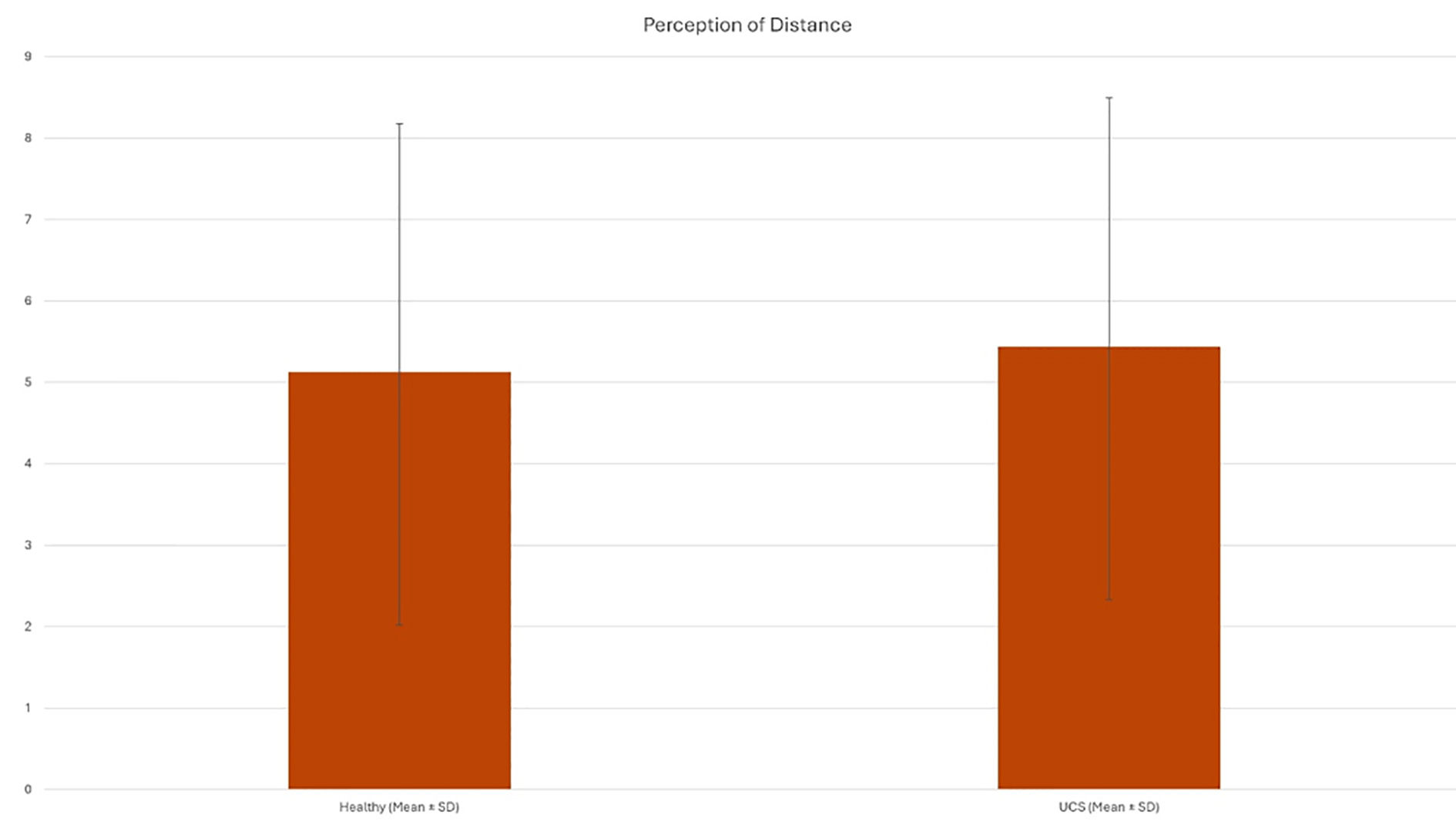
Figure 1. The figure shows the perception of distance comparison between healthy and upper cross syndrome (UCS) groups. UCS: Upper Cross Syndrome
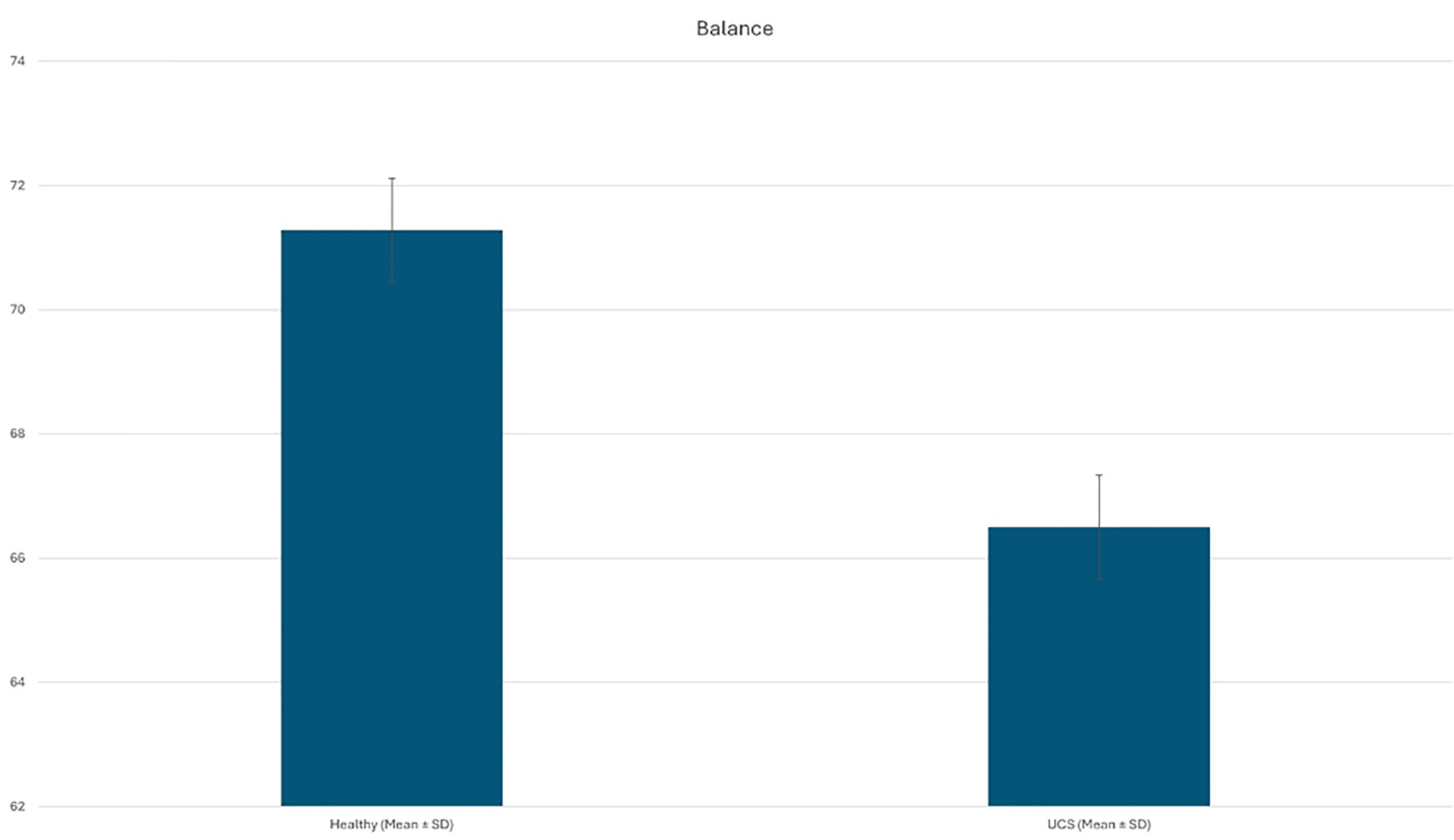
Figure 2. The figure shows the comparison of balance between healthy and upper cross syndrome (UCS) groups. UCS: Upper Cross Syndrome
4. Discussion
This comparative study aimed to examine whether female students with upper crossed syndrome (UCS) exhibited significant differences in distance perception and balance compared with their peers without UCS. The findings revealed no significant differences in distance perception between the two groups. However, female students with UCS demonstrated reduced dynamic balance compared with their counterparts without UCS.
Regarding balance, the results of the present study were consistent with previous investigations across different populations. For example, Khosravi and colleagues found that healthy girls aged 10 to 12 years demonstrated superior balance compared with peers with UCS ( 22 ). Furthermore, Toprak and colleagues ( 23 ), reported that certain foot deformities in patients with rheumatoid arthritis (RA) can markedly compromise balance. Taken together, these studies suggested that skeletal abnormalities—such as UCS, kyphosis, or RA-related foot deformities—may negatively affect balance and postural control, which is in agreement with the findings reported by McDaniels-Davidson and colleagues ( 11 ).
Previous research indicated that kyphosis can negatively affect balance, a factor widely acknowledged as increasing the risk of falls. One commonly used approach to assess forward-flexed posture is the occiput-to-wall distance (OWD), where participants stand with their feet and buttocks against a wall, and the space between the occiput and the wall is measured. Research showed that greater OWD is linked to gait impairments in both men and women and to poorer balance in women ( 24 ). In a similar line of investigation, a large study employing the Debrunner Kyphometer found that women in higher kyphotic angle quartiles had longer Timed Up and Go (TUG) durations after full adjustments ( 25 ). Additionally, a previous study reported that women with pronounced hyperkyphosis demonstrated slower gait speed and reduced confidence in preventing falls compared with women with normal spinal curvature ( 26 ). Conversely, two other studies did not find significant relationships between kyphosis and balance, as measured by the Berg Balance Score ( 27 ) or force plate analyses ( 28 ). These findings highlighted the complexity of the relationship between kyphosis and balance, which may be influenced by factors such as participant age, measurement tools, and specific postural conditions examined.
Balance is influenced by numerous factors, including vision, proprioception, inner ear and vestibular function, cerebellar function, foot placement on a surface, leg length discrepancies, lower limb muscular strength, medications, aging, heart rate, respiration, various musculoskeletal disorders, and hearing ( 29 ). In this study, upper crossed syndrome (UCS) was found to be linked with diminished balance. UCS is characterized by decreased stability of the glenohumeral joint in the upper body and a forward head posture, which positions the head closer to or beyond the range necessary for maintaining postural equilibrium, thereby compromising static balance ( 30 ). Mahmoud and co-workers reported that a forward head posture shifts the body’s center of mass anteriorly, leading to reduced static balance in individuals who use computers extensively ( 31 ). Likewise, Nezhad and co-workers observed that greater kyphosis is associated with poorer balance and increased disability in older adults ( 27 ). Additionally, Lee showed that forward head posture negatively affects both static and semi-dynamic balance ]32].
The findings of this study revealed no significant differences in distance perception between female students with Upper Crossed Syndrome (UCS) and those without it. This result contrasted with previous research indicating that conditions affecting proprioception, such as chronic pain syndromes like Complex Regional Pain Syndrome (CRPS), can distort spatial awareness and distance estimation ( 6 ). It was anticipated that the postural misalignments and impaired proprioception associated with UCS might influence distance perception, particularly given the reliance on sensory-motor integration for accurate spatial judgments.
One possible explanation for the lack of significant differences in this study may relate to the relatively young age of participants and the short duration of postural abnormalities. Young adults possess a high degree of neuroplasticity that allows for the reorganization of neural pathways in response to sensory disruptions. This adaptability facilitates compensatory mechanisms such as increased reliance on visual and vestibular input or the use of alternative motor strategies to maintain spatial performance ( 33 ). Additionally, motor learning and recalibration through repetition are more effective in this age group, which may reduce the impact of mild proprioceptive impairments ( 34 ). In contrast, these compensatory mechanisms are less efficient in older populations due to delayed or diminished neuroplastic responses ( 35 ). Another important consideration is the sensitivity of the assessment tools used. The blindfolded walking test, although commonly applied in proprioception research, has known methodological limitations. It may impose cognitive load and depend heavily on memory, which can confound accurate distance estimation ( 36 ). Moreover, ceiling and floor effects, where performance is either too uniform or too impaired, can obscure subtle between-group differences, particularly in high-functioning individuals ( 37 ). Environmental factors such as the absence of landmarks may further hinder accurate judgments ( 38 ), while learning effects across trials may alter performance due to adaptation ( 39 ). Furthermore, the relative simplicity of the blindfolded walking task may be inadequate to detect fine-grained proprioceptive deficits. Evidence suggested that complex and dynamic assessments such as Joint Position Sense (JPS) and Threshold to Detection of Passive Motion (TDPM) are more sensitive in identifying subtle impairments ( 40 , 41 ). Robotic and sensor-based tools have also demonstrated superior sensitivity by capturing small deviations in movement precision ( 42 ). Tasks that integrate cognitive processing or motor prediction better reflect real-world proprioceptive demands and may reveal differences that remain hidden in basic tasks ( 43 ). Therefore, the absence of significant group differences in this study could stem from both compensatory neural mechanisms in young adults and limitations inherent in task complexity and methodological design. The dissociation between balance and distance perception may stem from the fact that dynamic balance relies heavily on postural and vestibular inputs, which are more directly affected by UCS-related muscle imbalances, whereas distance estimation engages broader multisensory integration less vulnerable to mild postural deviations.
Although some differences in this study were not statistically significant, the effect size analysis indicates that certain observed changes may have clinical relevance. Moderate to large effect sizes in variables such as dynamic balance suggest that Upper Crossed Syndrome (UCS) could have a meaningful impact on motor performance, even when some results do not reach statistical significance. The clinical importance of these findings is particularly relevant for practical applications, especially in designing targeted interventions aimed at improving balance and preventing falls in at-risk populations. Therefore, alongside statistical testing, emphasizing effect size and clinical implications enhances our understanding of the real-world impact of UCS and highlights the need for further research into its long-term effects and clinical outcomes.
4.1. Limitations
This study had certain limitations. It focused specifically on the relationship between upper crossed syndrome (UCS) and balance, which may have narrowed the scope of findings. Potential confounding factors, such as participants’ physical activity levels, visual acuity, and prior injury history, were not controlled. The distance perception tasks may not have been sensitive enough to detect subtle deficits, particularly those involving complex proprioceptive or cognitive integration. The relatively short duration of UCS and the young age of participants may have allowed compensatory adaptations, minimizing observable effects on distance perception. The cross-sectional design limited causal interpretations, and measurements were performed by a single evaluator, preventing assessment of inter-rater reliability.
5. Conclusions
This study indicated that female students with Upper Crossed Syndrome exhibit impairments in dynamic balance compared to healthy peers, while no significant differences are observed in distance perception. These findings suggested that UCS may be associated with specific deficits in postural control rather than perceptual abilities. Due to the cross-sectional nature of the study, causal relationships cannot be determined. Future research should employ longitudinal and experimental designs to better understand the underlying mechanisms of UCS-related impairments and to examine its effects on neuromuscular and perceptual functions in more diverse populations. Future studies should also include larger and more heterogeneous samples and consider additional methodological approaches to enhance the ecological validity and sensitivity of assessments.
Acknowledgment
This article was extracted from the MSc thesis of Ms. Fateme Safari at Urmia University, Urmia, Iran. Also, the authors sincerely thank all participants who contributed to the completion of this study.
Authors’ Contribution
Fateme Safari: Conception and design of the study; acquisition of data, analysis and interpretation of data; drafting the work. Narmin Ghani Zadeh Hesar: Conception and design of the study; acquisition of data, interpretation of data; reviewing the work critically for important intellectual content. Razieh Khanmohammadi: Conception and design of the study; acquisition of data, analysis and interpretation of data; drafting the work and reviewing it critically for important intellectual content. All authors have read and approved the final version of the manuscript and agree to be accountable for all aspects of the work, ensuring that questions related to the accuracy or integrity of any part of the work are appropriately addressed.
Conflict of Interest
None declared.
Funding
This study received support from Urmia University, Urmia, Iran.
Ethical Approval
The Ethics Review Board of Urmia University, Faculty of Physical Education approved the present study with the code of IR.URMIA.REC.1403.003. Also, written informed consent was obtained from the participants.
References
- Charles ST, Levine LJ. Managing emotions across adulthood. In Cole M, Hollenstein T, editors. Emotion Regulation. UK: Routledge; 2018.
- Firestone C, Scholl BJ. Cognition does not affect perception: Evaluating the evidence for “top-down” effects. Behav Brain Sci. 2016; 39:e229. DOI | PubMed
- Muscolino J. Upper crossed syndrome. Journal of the Australian Traditional-Medicine Society. 2015; 21(2):80-85.
- da Costa JT, Baptista JS, Vaz M. Incidence and prevalence of upper-limb work-related musculoskeletal disorders: A systematic review. Work. 2015; 51(4):635-44. DOI | PubMed
- Mubeen I, Malik S, Akhtar W, Iqbal M, Asif M, Arshad A, et al. Prevalence of upper cross syndrome among the medical students of University of Lahore. International Journal of Physiotherapy. 2016; 3(3):381-384. DOI
- Gu SY, Hwangbo G, Lee JH. Relationship between position sense and reposition errors according to the degree of upper crossed syndrome. J Phys Ther Sci. 2016; 28(2):438-41. Publisher Full Text | DOI | PubMed [ PMC Free Article ]
- Warda DG, Nwakibu U, Nourbakhsh A. Neck and Upper Extremity Musculoskeletal Symptoms Secondary to Maladaptive Postures Caused by Cell Phones and Backpacks in School-Aged Children and Adolescents. Healthcare. 2023; 11(6):819. Publisher Full Text | DOI | PubMed [ PMC Free Article ]
- Horsburgh A, Summers SJ, Lewis A, Keegan RJ, Flood A. The Relationship Between Pain and Interoception: A Systematic Review and Meta-Analysis. J Pain. 2024; 25(7):104476. DOI | PubMed
- Filbrich L, Alamia A, Verfaille C, Berquin A, Barbier O, Libouton X, et al. Biased visuospatial perception in complex regional pain syndrome. Sci Rep. 2017; 7(1):9712. Publisher Full Text | DOI | PubMed [ PMC Free Article ]
- Mousavi-Khatir R, Talebian S, Toosizadeh N, Olyaei GR, Maroufi N. Disturbance of neck proprioception and feed-forward motor control following static neck flexion in healthy young adults. J Electromyogr Kinesiol. 2018; 41:160-167. DOI | PubMed
- McDaniels-Davidson C, Davis A, Wing D, Macera C, Lindsay S, Schousboe J, et al. Kyphosis and incident falls among community-dwelling older adults. Osteoporos Int. 2018; 29(1):163-169. DOI | PubMed
- Kim DH, Kim CJ, Son SM. Neck Pain in Adults with Forward Head Posture: Effects of Craniovertebral Angle and Cervical Range of Motion. Osong Public Health Res Perspect. 2018; 9(6):309-313. Publisher Full Text | DOI | PubMed [ PMC Free Article ]
- Fathollahnejad K, Letafatkar A, Hadadnezhad M. The effect of manual therapy and stabilizing exercises on forward head and rounded shoulder postures: a six-week intervention with a one-month follow-up study. BMC Musculoskelet Disord. 2019; 20(1):86. Publisher Full Text | DOI | PubMed [ PMC Free Article ]
- Singla D, Veqar Z. Association Between Forward Head, Rounded Shoulders, and Increased Thoracic Kyphosis: A Review of the Literature. J Chiropr Med. 2017; 16(3):220-229. Publisher Full Text | DOI | PubMed [ PMC Free Article ]
- Salamat H, Ghani Zadeh Hesar N, Roshani S, Mohammad Ali Nasasb Firouzjah E. Comparison of the Effect of Functional Corrective Exercises and Corrective Games on Upper Cross Syndrome in 10-13 Year-Old Boys. J Rehab Med. 2021; 9(4):19-31. DOI Persian
- Shahri YFK, Ghani Zadeh Hesar N. Validity and reliability of smartphone-based Goniometer-Pro app for measuring the thoracic kyphosis. Musculoskelet Sci Pract. 2020; 49:102216. DOI | PubMed
- Plisky P, Schwartkopf-Phifer K, Huebner B, Garner MB, Bullock G. Systematic Review and Meta-Analysis of the Y-Balance Test Lower Quarter: Reliability, Discriminant Validity, and Predictive Validity. Int J Sports Phys Ther. 2021; 16(5):1190-1209. Publisher Full Text | DOI | PubMed [ PMC Free Article ]
- Picot B, Terrier R, Forestier N, Fourchet F, McKeon PO. The star excursion balance test: an update review and practical guidelines. International Journal of Athletic Therapy and Training. 2021; 26(6):285-293. DOI
- Eftekhari A, Dehghanizade J. The Effect of Self-Movement on Distance Perception: An Examination of Perception-Action Coupling. Journal of Sports and Motor Development and Learning. 2022; 13(4):443-456. DOI Persian
- Gaeta L, Brydges CR. An examination of effect sizes and statistical power in speech, language, and hearing research. J Speech Lang Hear Res. 2020; 63(5):1572-1580. DOI | PubMed
- Brydges CR. Effect Size Guidelines, Sample Size Calculations, and Statistical Power in Gerontology. Innov Aging. 2019; 3(4):igz036. Publisher Full Text | DOI | PubMed [ PMC Free Article ]
- Khosravi Z, Mohammad Ali Nasab Firouzjah E, Firouzjah MH. Comparison of balance and proprioception of the shoulder joint in girls with and without upper cross syndrome. BMC Musculoskelet Disord. 2024; 25(1):618. Publisher Full Text | DOI | PubMed [ PMC Free Article ]
- Toprak CŞ, Duruöz MT, Gündüz OH. Static and Dynamic Balance Disorders in Patients With Rheumatoid Arthritis and Relationships With Lower Extremity Function and Deformities: A Prospective Controlled Study. Arch Rheumatol. 2018; 33(3):328-334. Publisher Full Text | DOI | PubMed [ PMC Free Article ]
- Melo RS, Cardeira CSF, Rezende DSA, Guimaraes-do-Carmo VJ, Lemos A, de Moura-Filho AG. Effectiveness of the aquatic physical therapy exercises to improve balance, gait, quality of life and reduce fall-related outcomes in healthy community-dwelling older adults: A systematic review and meta-analysis. PLoS One. 2023; 18(9):e0291193. Publisher Full Text | DOI | PubMed [ PMC Free Article ]
- Koelé MC, Lems WF, Willems HC. The Clinical Relevance of Hyperkyphosis: A Narrative Review. 2020; 11:5. Publisher Full Text | DOI | PubMed [ PMC Free Article ]
- Noonan AM, Brown SH. Paraspinal muscle pathophysiology associated with low back pain and spine degenerative disorders. JOR spine. 2021; 4(3):e1171. Publisher Full Text | DOI | PubMed [ PMC Free Article ]
- Nezhad ZG, Gard SA, Arazpour M. The effects of Hyperkyphosis on Balance and Fall Risk in older adults: A Systematic Review. Gait Posture. 2025; 118:154-167. DOI | PubMed
- Roghani T, Zavieh MK, Manshadi FD, King N, Katzman W. Age-related hyperkyphosis: update of its potential causes and clinical impacts—narrative review. Aging Clin Exp Res. 2017; 29(4):567-577. Publisher Full Text | DOI | PubMed [ PMC Free Article ]
- Hall CD, Herdman SJ, Whitney SL, Anson ER, Carender WJ, Hoppes CW, et al. Vestibular Rehabilitation for Peripheral Vestibular Hypofunction: An Updated Clinical Practice Guideline From the Academy of Neurologic Physical Therapy of the American Physical Therapy Association. J Neurol Phys Ther. 2022; 46(2):118-177. Publisher Full Text | DOI | PubMed [ PMC Free Article ]
- Lin G, Zhao X, Wang W, Wilkinson T. The relationship between forward head posture, postural control and gait: A systematic review. Gait Posture. 2022; 98:316-329. DOI | PubMed
- Mahmoud NF, Hassan KA, Abdelmajeed SF, Moustafa IM, Silva AG. The Relationship Between Forward Head Posture and Neck Pain: a Systematic Review and Meta-Analysis. Curr Rev Musculoskelet Med. 2019; 12(4):562-577. Publisher Full Text | DOI | PubMed [ PMC Free Article ]
- Lee JH. Effects of forward head posture on static and dynamic balance control. J Phys Ther Sci. 2016; 28(1):274-277.
- Moore RT, Piitz MA, Singh N, Dukelow SP, Cluff T. The independence of impairments in proprioception and visuomotor adaptation after stroke. J Neuroeng Rehabil. 2024; 21(1):81. Publisher Full Text | DOI | PubMed [ PMC Free Article ]
- Nuzum ND, Teo WP, Macpherson H, Loughman A, Szymlek-Gay EA, Hendy A. Inhibition, excitation and bilateral transfer following a unilateral complex finger-tapping task in young and older adults. Eur J Neurosci. 2021; 54(7):6608-6617. DOI | PubMed
- Vergallito A, Feroldi S, Pisoni A, Romero Lauro LJ. Inter-Individual Variability in tDCS Effects: A Narrative Review on the Contribution of Stable, Variable, and Contextual Factors. Brain Sci. 2022; 12(5):522. Publisher Full Text | DOI | PubMed [ PMC Free Article ]
- Dey A, Billinghurst M, Lindeman RW, Swan JE. A Systematic Review of 10 Years of Augmented Reality Usability Studies: 2005 to 2014. Front Robot AI. 2018; 5:37. Publisher Full Text | DOI | PubMed [ PMC Free Article ]
- Fooken J, Baltaretu BR, Barany DA, Diaz G, Semrau JA, Singh T, et al. Perceptual-Cognitive Integration for Goal-Directed Action in Naturalistic Environments. J Neurosci. 2023; 43(45):7511-7522. Publisher Full Text | DOI | PubMed [ PMC Free Article ]
- Burkitt JJ, Campos JL, Lyons JL. Iterative Spatial Updating During Forward Linear Walking Revealed Using a Continuous Pointing Task. J Mot Behav. 2020; 52(2):145-166. DOI | PubMed
- Feldstein IT, Kölsch FM, Konrad R. Egocentric Distance Perception: A Comparative Study Investigating Differences Between Real and Virtual Environments. Perception. 2020; 49(9):940-967. DOI | PubMed
- Smyth MM, Mason UC. Use of proprioception in normal and clumsy children. Dev Med Child Neurol. 1998; 40(10):672-81. DOI | PubMed
- Weeks HM, Therrien AS, Bastian AJ. The cerebellum contributes to proprioception during motion. J Neurophysiol. 2017; 118(2):693-702. Publisher Full Text | DOI | PubMed [ PMC Free Article ]
- Rinderknecht MD, Lambercy O, Raible V, Büsching I, Sehle A, Liepert J, et al. Reliability, validity, and clinical feasibility of a rapid and objective assessment of post-stroke deficits in hand proprioception. J Neuroeng Rehabil. 2018; 15(1):47. Publisher Full Text | DOI | PubMed [ PMC Free Article ]
- Stirling L, Kelty-Stephen D, Fineman R, Jones ML, Daniel Park BK, Reed MP, et al. Static, Dynamic, and Cognitive Fit of Exosystems for the Human Operator. Hum Factors. 2020; 62(3):424-440. DOI | PubMed


