
1. Introduction
Specific learning disabilities (SLDs) represent a complex and significant challenge within educational settings, affecting a substantial number of children and adolescents worldwide ( 1 ). These disorders are characterized by persistent difficulties in acquiring and mastering fundamental academic skills, particularly in reading, writing, and arithmetic. Importantly, these difficulties are not the result of intellectual deficits, sensory or motor impairments, or emotional disturbances. Frequently identified during early developmental stages, SLDs exert profound influences on scholastic outcomes, self-perception, and holistic psychological functioning ( 2 ). As outlined in the fifth edition of the Diagnostic and Statistical Manual of Mental Disorders (DSM-5), specific learning disorders are principally classified into dyslexia (reading impairment), dysgraphia (writing impairment), and dyscalculia (mathematical impairment) ( 3 ). At their core, the academic accomplishments of affected individuals substantially underperform in terms of the norms aligned with their age, intellectual capacity, and instructional exposure, as evaluated through standardized assessments of literacy, composition, and computation ( 4 ). A meta-analytic review of Iranian research documented a 4.58% prevalence of SLDs among primary school pupils, with male individuals demonstrating a 1.1% to 2.2% elevated risk as compared with female ones ( 5 ). Both pediatric and adult populations with SLDs display divergent neural handling of visual and auditory inputs, thereby impeding the integration of novel knowledge, skill acquisition, or deployment of established expertise ( 6 ).
One of the most critical aspects of LDs involves difficulties in mathematical concept acquisition. These challenges can range from struggles with basic concepts like numbers and simple calculations to an inability to solve complex mathematical problems and apply mathematical principles in daily life ( 7 ). Mathematics is widely regarded as one of the most important and foundational subjects. Mathematics is one of the noblest expressions of human thought, reflecting human will and showing the course of reason and proof, as well as expressing human interest in perfection and beauty ( 8 ). The fundamental role of mathematics in advancing other sciences and technologies is widely acknowledged to the extent that failure to achieve educational goals in mathematics will lead to weaknesses, inabilities, and a failure to achieve goals related to the progress of other sciences and technologies ( 9 ). Students with LDs not only struggle with understanding and mathematical concept acquisition but also demonstrate an inability to retain and retrieve information related to these concepts ( 10 ). These deficits can manifest as problems with memory, attention, and concentration, ultimately leading to reduced motivation and interest in learning mathematics ( 11 ).
Furthermore, research indicated that LDs are often linked to impairments in executive functions in children ( 11 ). Executive functions coordinate cognitive-motor output, primarily involving the prefrontal or frontostriatal regions in conjunction with other neural circuits, thereby enabling planned, flexible, relevant, timely, and appropriate goal-directed behaviors. A crucial executive function in this context is visual attention. Visual attention, as a type of attention, refers to an individual’s ability to focus on visual details and features of presented information ( 12 ). Learners with deficient visual attention frequently encounter obstacles in identifying and distinguishing numerical symbols and geometric forms, adhering to sequential problem-solving protocols, and grasping the spatial and logical interdependencies among problem constituents. These impediments may culminate in subpar mathematical achievement, as well as eroded self-efficacy and diminished intrinsic motivation for scholarly endeavors ( 13 ). Attentional mechanisms are intrinsically intertwined with mnemonic operations. Persons afflicted by attentional lapses commonly underprocess incoming stimuli, thereby forgoing avenues for encoding and retrieval, which precipitates mnemonic dysfunctions ( 14 ).
Given the negative impact of these difficulties on students’ academic and social lives, researchers and specialists have sought effective methods to improve memory, attention, and the learning of mathematical concepts in these students ( 15 ). Cognitive behavioral play therapy (CBPT) is one such method, designed based on psychological principles to modify dysfunctional thought and behavior patterns ( 16 ). This therapeutic modality employs play as a mechanism for instruction and the reinforcement of cognitive abilities. Play therapy is conceptualized as the deliberate implementation of a theoretical framework to foster an interpersonal dynamic, wherein the inherent efficacy of play is harnessed to avert and ameliorate client difficulties, thereby facilitating maximal developmental progression ( 17 ). Therapeutic games developed under this paradigm can enhance learners’ focus and attentional capacities, bolster executive functioning such as working memory, and foster deeper comprehension of mathematical principles ( 18 ). Empirical evidence indicates that CBPT yields positive outcomes in augmenting cognitive and scholastic proficiencies among students with LDs ( 19 , 20 ). Notably, Jafari and colleagues ( 20 ) illustrated that CBPT significantly alleviated deficits in writing, handwriting, and mathematical proficiency in youth exhibiting targeted LDs.
The present study addressed a fundamental challenge in the education of children with LDs. Learning disabilities, particularly in mathematics, not only affect students’ academic performance but can also negatively impact their self-confidence and motivation. CBPT, as an engaging and interactive therapeutic modality, facilitates the comprehension of foundational mathematical principles by reinforcing visual attention, which serves as a pivotal mechanism in the cognitive assimilation of mathematical stimuli. The findings of the present study offered practical implications for educators, clinicians, and caregivers in supporting students with learning disabilities, thereby contributing to improved educational outcomes for these learners. Accordingly, the present study investigated the effectiveness of CBPT in augmenting visual attention—specifically through the diminution of omission and commission errors on the Continuous Performance Test (CPT)—and in advancing the assimilation of mathematical concepts among students with LDs.
2. Methods
2.1. Design
This was a quasi-experimental study, with pre-test, post-test, and one-month follow-up assessments, and a control group to investigate the efficacy of CBPT.
2.2. Selection and Description of Participants
The target population comprised all male and female second- and third-grade primary school students diagnosed with LDs who were receiving educational and rehabilitative services at the Dezful Developmental and Educational Assessment Center, Dezful, Iran during the 2024 academic year. A convenience sampling method was used to select the study participants. Potential participants were identified from the records of students diagnosed with LDs based on DSM-5 criteria. To do so, 48 students were initially screened and 30 were selected based on the inclusion criteria. The participants were then randomly allocated to either the CBPT intervention group or the control group (n=15 each) through a computer-generated random number sequence produced in Microsoft Excel while allocation concealment was not employed (Figure 1).
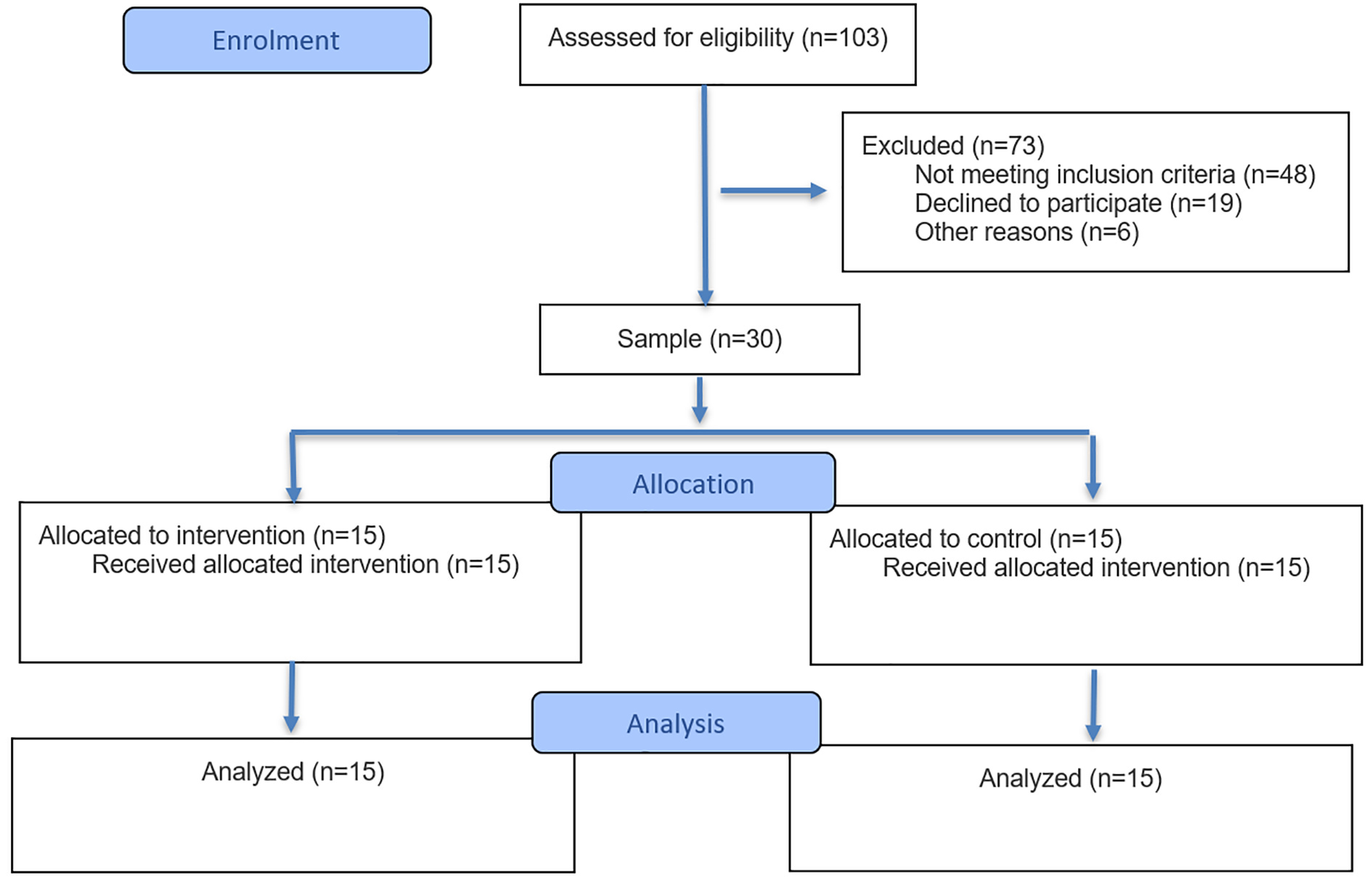
Figure 1. The figure shows the CONSORT flow diagram of the study.
The inclusion criteria were: parental consent, scores below the mean on CPT (omission and commission errors) and Key Math Diagnostic Assessment, no concurrent participation in other treatment programs, absence of autism spectrum disorder or intellectual disability, no use of psychiatric medications, and an age range of 8 to 9 years. The exclusion criteria were: receiving concurrent psychological treatments, unwillingness to continue participation, absence from more than two therapy sessions, an IQ below 90, and presence of co-occurring disorders such as attention deficit hyperactivity disorder (ADHD) or behavioral disorders. Throughout the study, all ethical standards were rigorously followed. This included obtaining written informed consent from parents or guardians, ensuring data confidentiality through secure storage and anonymization procedures, and preserving participants’ right to withdraw from the study at any time.
2.3. Sample Size Determination
The sample size was calculated using G*Power software, based on prior research that documented mean visual attention scores of 2.63±1.14 for the experimental group and 4.24±1.42 for the control group on CPT ( 20 ). With an alpha level of 0.05 and statistical power of 0.80, the computation indicated a minimum of 15 participants per group to identify significant differences.
2.4. Data Collection and Measurements
2.4.1. Continuous Performance Test (CPT)
The Continuous Performance Test (CPT), sometimes denoted as the Test of Variables of Attention (TOVA) in specific implementations, was originally devised by Beck and colleagues ( 21 ) for the assessment of cerebral trauma and subsequently adapted in 1960 to appraise attentional functions in children with attention-deficit/hyperactivity disorder (ADHD). It is now established as the foremost laboratory measure for evaluating sustained attention. CPT quantifies omission errors (reflecting inattention) and commission errors (signifying impulsivity), thereby providing a robust instrument for identifying visual attentional deficits among students with SLDs. The instrument employs non-verbal visual prompts, featuring a prominent rectangle with an embedded square positioned either above or below it, and operates under two distinct protocols: low target frequency and high target frequency. In the first half, the target stimulus is presented infrequently (1 target to 3.5 non-targets), requiring significant attention to detect correctly. Failure results in an omission error, indicating inattention. In the second half, the target stimulus is presented frequently (3.5 targets to 1 non-target), requiring the inhibition of responses to non-targets. Scoring is conducted via a computerized system, with omission and commission errors reported as raw counts, typically ranging from 0 to 10 per test condition, where lower scores indicate better attention performance. A decrease in reaction time, omission errors, and commission errors, alongside an increase in correct responses, indicate improved sustained attention. In the present study, only two scores, omission error and commission error, were used. The Persian version of the CPT has been validated for Iranian children, demonstrating a Content Validity Index (CVI) of 0.92 and a Content Validity Ratio (CVR) of 0.85, as established by Hosseini and Talepasand ( 22 ). These psychometric properties confirm its suitability for the present study’s participants. Hosseini and Talepasand ( 22 ) further reported a Cronbach’s alpha reliability coefficient of 0.82 for the measure. In the present study, the Cronbach’s alpha was calculated to be 0.82.
2.4.2. Key Math Diagnostic Assessment
The Iran KeyMath Test, developed by Suntup ( 23 ), is a comprehensive diagnostic assessment of mathematical concept acquisition. It comprises three primary sections with 13 subtests: Basic Concepts, Operations, and Applications. The initial section, entitled “Basic Concepts,” encompasses three subtests: counting, rational numbers, and geometry. The next section, entitled “Operations,” incorporates five subtests: addition, subtraction, multiplication, division, and mental calculation. The final section, entitled “Applications,” addresses five subtests: measurement, time, money, problem-solving, interpretation, and estimation. Tailored for individuals aged 6 to 12 years, the measure is administered on an individual basis. Raw scores are derived for each subtest and aggregated into a composite total score, ranging from 0 to 100, with elevated values denoting superior mathematical proficiency and comprehension. These scores are subsequently transformed into Z-scores, using mean and standard deviation values from grade-specific normative samples. The Persian version of the KeyMath Test is validated for Iranian students with a CVI of 0.89 and CVR of 0.81, as reported by Mohammadesmaeil and Hooman ( 24 ), making it appropriate for assessing mathematical deficits in LD populations. The reliability of this test, estimated using Cronbach’s alpha across five different grade levels, ranged from 0.80 to 0.84, with a general reliability coefficient of 0.80 ( 24 ). In the present study, the Cronbach’s alpha for mathematical concept acquisition questionnaire was found to be 0.84.
2.5. Procedure
Eligible participants were screened by a licensed clinical psychologist at the Dezful Developmental and Educational Assessment Center, Dezful, Iran between January and February 2024 to confirm compliance with inclusion and exclusion criteria. Of the 48 screened students, 18 were excluded due to concurrent treatments (n=8), co-occurring disorders (n=7), or parental non-consent (n=3). The study participants underwent baseline assessment using CPT and Key Math Diagnostic Assessment Test, administered by trained assessors blinded to group assignment during March 2024. Following the pre-test, the participants were randomly assigned to either the experimental or control group using a computer-generated random number sequence in Microsoft Excel. The experimental group received 10 sessions of 90 minutes each of CBPT, administered twice weekly over five weeks (April to May 2024) by a certified play therapist accredited by the Iranian Psychological Association with expertise in cognitive-behavioral interventions. During this period, the control group continued their standard educational and rehabilitation services under equivalent scheduling to control for contact time effects without receiving CBPT. Post-test assessments, using the same instruments, were conducted immediately after the intervention in May 2024. A follow-up assessment occurred one month later in June 2024 to evaluate the long-term effects of the intervention. No participants dropped out during the intervention, ensuring complete data collection.
2.6. Intervention
The CBPT intervention program consisted of 10 sessions of 90 minutes each, delivered twice a week to the experimental group. The sessions followed a structured protocol combining cognitive-behavioral therapy (CBT) principles, such as cognitive restructuring and behavioral reinforcement, with play therapy techniques tailored to enhance visual attention and mathematical concept acquisition. The program aimed to investigate cognitive deficits, particularly visual attention, and to enhance mathematical concept acquisition. Each session included a mix of cognitive-behavioral games (e.g., marble tracking for attention, tangram puzzles for problem-solving), psychoeducational components (e.g., teaching number recognition through play), and interactive activities (e.g., stepping ladder games for spatial awareness), designed to improve focus, reduce impulsivity, enhance working memory, and build problem-solving skills. The activities were adapted to the cognitive and emotional developmental level of students with LDs. The therapist, adhering to a session-by-session outline (Table 1), facilitated discussions, provided positive reinforcement, and guided students through activities in a child-friendly, safe environment designed to minimize stress and maximize engagement. Completion of each session required active participation, with attendance monitored to ensure adherence to the protocol.
| Session | Main Focus/Theme | Key Activities & Techniques | Objectives |
|---|---|---|---|
| 1 | Building Rapport & Introducing Play Therapy | Free play, therapeutic alliance building, introducing rules and expectations | Establish trust, create a safe environment, familiarize students with the setting. |
| 2 | Focused Attention & Impulse Control | Balance board, marble tracking on an inclined surface, eye-tracking games | Improve sustained and selective visual attention, reduce impulsivity. |
| 3 | Energy Release & Coordination | Tire game | Release energy, reduce impulsive behavior, improve coordination and agility. |
| 4 | Concentration & Fine Motor Skills | Nuts and bolts game | Focus on self-control, increase precision and concentration, strengthen finger muscles. |
| 5 | Visual Perception & Eye-Hand Coordination | Stepping ladder game | Improve visual perception (figure-ground), differentiate similarities/differences, enhance eye-foot coordination. |
| 6 | Task Success & Self-Concept | Plunger game (jumping to touch objects) | Understand importance of task success, improve eye-hand coordination, aid in jumping. |
| 7 | Body Awareness & Sequencing Skills | Bending hands/feet on geometric shapes | Augment fine motor coordination and postural equilibrium, foster an affirmative body schema and perceptual acuity, and cultivate sequential processing competencies. |
| 8 | Cognitive Restructuring & Problem Solving | Tangram puzzle (completing image from memory) | Identify cognitive distortions, replace maladaptive thoughts, take responsibility, express thought-emotion-behavior links. |
| 9 | Spatial Awareness & Energy Release | Foot launcher game | Increase self-concept, spatial awareness, discharge energy, improve eye-hand coordination. |
| 10 | Coping Skills & Problem Solving | Tube game | Enhance coping with negative emotions, develop age-appropriate problem-solving, improve flexibility, muscle strength, and social reaction. |
2.7. Data Analysis
Data from pre-test, post-test, and follow-up assessments were analyzed using SPSS version 26. Descriptive statistics, including mean and standard deviation values, were calculated to summarize the data. Parametric assumptions were assessed via Kolmogorov-Smirnov and Levene’s tests for the normality and homogeneity of variance, respectively. Group demographics were compared with chi-square tests, while baseline differences employed independent t-tests. Intervention effects over time and groups were examined through repeated-measures ANOVA, with Bonferroni post-hoc tests probing significant time interactions.
3. Results
Table 2 shows the demographic profile of 30 participants. The study participants comprised 13 second-grade students (43.3%) and 17 third-grade students (56.7%). In this study, 19 individuals were male (63.3%) and 11 were female (36.7%). The average age of the participants was 8.47 years (SD=0.51) in the experimental group and 8.53 years (SD=0.52) in the control group. Statistical analyses revealed no significant difference between the experimental and control groups regarding grade level (P=0.717), gender (P=0.709), or mean age (P=0.752), thereby confirming equivalence in baseline attributes.
| Characteristic | Experimental Group (n=15) | Control Group (n=15) | P |
|---|---|---|---|
| Grade Level | |||
| Second Grade | 7 (46.7%) | 6 (40.0%) | 0.717 |
| Third Grade | 8 (53.3%) | 9 (60.0%) | |
| Gender | |||
| Male | 10 (66.7%) | 9 (60.0%) | 0.709 |
| Female | 5 (33.3%) | 6 (40.0%) | |
| Mean Age (SD) | 8.47 (0.51) | 8.53 (0.52) | 0.752 |
Table 3 shows the descriptive statistics, including mean and standard deviation values, for the outcome measures—visual attention (omission errors), visual attention (commission errors), and mathematical concept acquisition—across the pretest, posttest, and one-month follow-up assessments for the intervention and control groups.
| Variable | Group | Pre-test | Post-test | Follow-up | P (within-group) |
|---|---|---|---|---|---|
| Mean (SD) | Mean (SD) | Mean (SD) | |||
| Visual Attention: Omission Error | Experimental | 4.69 (0.94) | 2.63 (1.14) | 2.69 (1.13) | 0.001 |
| Control | 4.94 (0.89) | 4.24 (1.42) | 4.59 (1.54) | 0.117 | |
| P (between-group) | 0.461 | 0.002 | 0.001 | - | |
| Visual Attention: Commission Error | Experimental | 5.63 (1.20) | 3.06 (0.99) | 3.88 (0.88) | 0.001 |
| Control | 5.41 (1.06) | 6.06 (1.02) | 5.71 (0.84) | 0.098 | |
| P (between-group) | 0.599 | 0.001 | 0.001 | - | |
| Mathematical Concepts Learning | Experimental | 42.81 (5.02) | 70.81 (3.92) | 68.06 (4.26) | 0.001 |
| Control | 45.24 (3.83) | 45.12 (4.56) | 44.35 (5.54) | 0.938 | |
| P (between-group) | 0.147 | 0.001 | 0.001 | - | |
| SD: Standard Deviation | |||||
Significant changes were observed in the experimental group across all three dependent variables. For visual attention (omission error), the mean score decreased from 4.69±0.94 in the pre-test to 2.63±1.14 in the post-test and remained stable at 2.69±1.13 in the follow-up phase (P<0.001). For visual attention (commission error), the mean score decreased from 5.63±1.20 in the pre-test to 3.06±0.99 in the post-test and increased slightly to 3.88±0.88 in the follow-up phase (P<0.001). For mathematical concept acquisition, the mean score increased from 42.81±5.02 in the pre-test to 70.81±3.92 in the post-test and slightly decreased to 68.06±4.26 in the follow-up phase (P<0.001). In contrast, the control group showed no significant changes across the phases: visual attention (omission error) changed from 4.94±0.89 to 4.24±1.42 to 4.59±1.54 (P=0.135); commission error changed from 5.41±1.06 to 6.06±1.02 to 5.71±0.84 (P=0.098); and mathematical concept acquisition changed from 45.24±3.83 to 45.12±4.56 to 44.35±5.54 (P=0.938). The between-group differences were significant in the post-test and follow-up phases for all variables (P<0.001), indicating the substantial impact of the CBPT intervention.
Prior to hypothesis testing, the prerequisites for repeated-measures analysis of variance (ANOVA) were evaluated. The normality of the data distributions was substantiated by the non-significant Z-scores from the Kolmogorov-Smirnov test across the dependent variables: visual attention (omission errors: P=0.157; commission errors: P=0.200) and mathematical concept acquisition (P=0.135 and P=0.200). These outcomes affirm adherence to a normal distribution. Variance homogeneity was likewise verified via Levene’s test, which produced non-significant findings for visual attention (omission errors: P=0.662; commission errors: P=0.828) and mathematical concept acquisition (P=0.587). Additionally, Mauchly’s sphericity test confirmed the sphericity assumption for all outcome measures (P>0.05), obviating the necessity for epsilon-based corrections in interpreting within-subjects effects.
The repeated-measures ANOVA results revealed a statistically significant effect of time for each of the three dependent variables: visual attention (omission errors, P<0.001), visual attention (commission errors, P<0.001), and mathematical concept acquisition (P<0.001). These effects denote marked temporal variations in the outcome measures across the assessment intervals (pretest, posttest, and follow-up). Moreover, the Group × Time interaction was statistically significant for all dependent variables: visual attention (omission errors, P<0.001), visual attention (commission errors, P<0.001), and mathematical concept acquisition (P<0.001). This interaction underscores divergent patterns of change in these measures over time between the experimental and control groups. Finally, the between-subjects effects indicated a significant main effect of Group across all dependent variables: visual attention (omission errors, P<0.001), visual attention (commission errors, P<0.001), and mathematical concept acquisition (P<0.001). These results highlight a persistent overall disparity in performance between the experimental and control groups, emphasizing the pronounced influence of the cognitive behavioral play therapy (CBPT) intervention.
To delineate the significant within-subjects effects, Bonferroni-adjusted post-hoc pairwise comparisons were performed for the experimental and control groups. Table 4 summarizes the inter-phase comparisons (pretest, posttest, and follow-up) for both groups.
| Variable | Group | Compared phases | Mean difference | Std. Error | P |
|---|---|---|---|---|---|
| Visual Attention: Omission Error | Experimental | Pre-test - Post-test | 1.38 | 0.30 | 0.001 |
| Pre-test - Follow-up | 1.18 | 0.27 | 0.001 | ||
| Post-test - Follow-up | 0.21 | 0.29 | 0.481 | ||
| Control | Pre-test - Post-test | 0.70 | 0.41 | 0.099 | |
| Pre-test - Follow-up | 0.35 | 0.39 | 0.382 | ||
| Post-test - Follow-up | -0.35 | 0.42 | 0.413 | ||
| Visual Attention: Commission Error | Experimental | Pre-test - Post-test | 0.96 | 0.27 | 0.001 |
| Pre-test - Follow-up | 0.73 | 0.24 | 0.005 | ||
| Post-test - Follow-up | 0.23 | 0.26 | 0.388 | ||
| Control | Pre-test - Post-test | -0.65 | 0.31 | 0.052 | |
| Pre-test - Follow-up | -0.30 | 0.29 | 0.317 | ||
| Post-test - Follow-up | 0.35 | 0.30 | 0.260 | ||
| Mathematical Concepts Learning | Experimental | Pre-test - Post-test | 13.94 | 1.11 | 0.001 |
| Pre-test - Follow-up | 12.18 | 1.19 | 0.001 | ||
| Post-test - Follow-up | 1.76 | 1.21 | 0.156 | ||
| Control | Pre-test - Post-test | 0.12 | 1.25 | 0.924 | |
| Pre-test - Follow-up | 0.89 | 1.30 | 0.502 | ||
| Post-test - Follow-up | 0.77 | 1.28 | 0.557 |
According to Table 4, within the experimental group, marked disparities emerged between the pretest and posttest assessments for visual attention (omission errors: mean difference=1.38, P<0.001; commission errors: mean difference=0.96, P<0.001) and mathematical concept acquisition (mean difference=13.94, P<0.001). These disparities persisted significantly from pretest to follow-up for all outcome measures (omission errors: mean difference=1.18, P<0.001; commission errors: mean difference=0.73, P=0.005; mathematical concept acquisition: mean difference=12.18, P<0.001). Conversely, no substantial differences were evident between posttest and follow-up for any of the variables, implying that the gains realized following the intervention were sustained over the one-month follow-up interval. By comparison, the control group showed no significant inter-phase variations across any of the dependent variables, highlighting the lack of improvement in the absence of cognitive behavioral play therapy (CBPT).
4. Discussion
The present study aimed to investigate the efficacy of CBPT in ameliorating visual attention deficits—as gauged by reductions in omission and commission errors on the CPT—and in fostering mathematical concept acquisition among students with LDs. The analysis revealed notable improvements in visual attention, evidenced by significant reductions in omission and commission errors on the CPT, among students with LDs who received CBPT. These gains were observed in the experimental group from pre-test to post-test and were maintained at the one-month follow-up. In contrast, the control group showed no meaningful changes. These findings are consistent with previous research, for example, Jafari and colleagues ( 20 ), who found that CBPT significantly improved attentional skills in students with specific learning disabilities. Similarly, Vosoughi Kalantari and co-workers ( 17 ) demonstrated that CBPT enhanced behavioral adjustment and problem-solving skills in students with dyslexia, providing further support for the role of CBPT in improving attentional functioning. However, unlike Vosoughi Kalantari and co-workers the present study extended these findings by demonstrating that the improvements were sustained at the one-month follow-up. In contrast, recent meta-analytic evidence indicates that game-based digital interventions can improve cognitive functions such as sustained attention and working memory in children with ADHD ( 25 ), although these findings come from a different population and intervention modality. The observed improvements in visual attention are likely attributable to the structured play activities in CBPT, such as marble tracking and stepping ladder games. These activities target neural pathways involved in sustained and selective attention (particularly frontostriatal circuits, which are often underdeveloped in students with LDs), while fostering engagement and motivation in a low-pressure environment. This, in turn, enhances attentional control and reduces impulsivity—skills that are essential for academic tasks requiring sustained focus.
The experimental group also exhibited substantial improvements in mathematical concept acquisition, as measured by the Key Math Diagnostic Assessment Test, with significant increases in scores from pre-test to post-test that were largely maintained at follow-up, whereas the control group showed no notable changes. These results were consistent with Habibi Khouzani and colleagues ( 26 ), who found that game-based therapy improved math performance in students with LDs, though their study integrated cognitive rehabilitation, potentially intensifying effects compared with our CBPT-only approach. Mohammadinia and colleagues ( 27 ) also reported reduced math anxiety and improved academic achievement with CBPT, aligning with our findings. In contrast, Rezaeerezvan and co-workers ( 19 ) focused on linguistic disorders in bilingual children, finding CBPT effective but not directly addressing mathematical skills, highlighting the specificity of our intervention for dyscalculia-related challenges. CBPT likely facilitates mathematical learning by providing multisensory, interactive experiences that bridge abstract concepts with concrete understanding. Activities like tangram puzzles and number manipulation games break down complex mathematical tasks into manageable components, reducing math anxiety and fostering self-efficacy. The cognitive restructuring component of CBPT further supports learning by addressing negative self-beliefs, creating a positive attitude toward problem-solving in a supportive and engaging environment.
The sustained effects of CBPT on both visual attention and mathematical concept acquisition at the one-month follow-up underscore the durability of the intervention, with minimal decline in scores for the experimental group compared with the control group, which showed no progress. This durability is consistent with the findings of Jafari and colleagues ( 20 ), who reported lasting effects of CBPT on academic skills. However, the present study extends their work by including a one-month follow-up assessment. Unlike research that has relied on computer-based interventions ( 25 ), the present study utilized hands-on play activities within a cognitive behavioral play therapy framework. This approach may offer a distinct advantage in resource-limited settings, such as Dezful, Iran, where access to advanced technology may be constrained. The lasting impact of CBPT may be attributed to its ability to internalize skills through repeated, engaging practice, allowing students to generalize attentional and mathematical skills beyond the intervention period. The integration of cognitive-behavioral techniques with play therapy likely strengthens neural pathways and builds confidence, enabling students to apply learned skills in diverse academic contexts over time.
4.1. Limitations
The lack of allocation concealment, potentially introducing selection bias, and the absence of multi-center data, which limits generalizability due to potential cultural or educational differences in schooling system in Dezful, Iran. The possibility of a Hawthorne effect, where participants’ awareness of being observed may have influenced outcomes, should also be considered. Furthermore, the study did not account for potential confounding factors, such as variations in teacher support or parental involvement.
5. Conclusions
This study provided evidence that CBPT is effective in improving both visual attention and mathematical concept acquisition among students with LDs. The experimental group demonstrated significant and lasting improvements, whereas the control group showed only minimal changes. These findings highlighted the potential of CBPT as a valuable and targeted intervention. The maintenance of gains at the one-month follow-up suggests that the skills acquired through this therapy are well retained, supporting its long-term effectiveness. The results have clear practical implications. Educational institutions and rehabilitation centers can integrate CBPT into their support programs by incorporating structured play activities into classroom or therapeutic sessions. To facilitate successful implementation, educators and clinicians should receive appropriate training in CBPT techniques through workshops or certification programs. Future research should employ larger, multi-center samples using randomized designs and allocation concealment to enhance generalizability. Such studies should also examine the scalability of CBPT across diverse educational settings, different age groups, and various subtypes of LDs, while controlling for cultural and linguistic factors. Additionally, longitudinal studies with extended follow-up periods are needed to further assess the durability of CBPT effects beyond one month.
Acknowledgement
This article was extracted from a doctoral thesis conducted by Mr. Kaveh Korpi, affiliated with the Department of Psychology, Ahvaz Campus, Islamic Azad University, Ahvaz, Iran. Also, the authors would like to appreciate the collaboration of all participants in the present study.
Authors’ Contribution
Kaveh Korpi: Contributed to the conception and design of the study, acquisition, analysis, and interpretation of data; drafted the initial manuscript and reviewed it critically for important intellectual content. Fariba Hafezi: Contributed to the conception and design of the study, analysis and interpretation of data; reviewed the work critically for important intellectual content. Amal Sharifi Fard: Contributed to the acquisition of data, analysis and interpretation of data; reviewed the work critically for important intellectual content. Reza Johari Fard: Contributed to the conception and design of the study, interpretation of data; reviewed the work critically for important intellectual content. All authors have read and approved the final manuscript and agree to be accountable for all aspects of the work, including questions related to the accuracy or integrity of any part of the work.
Conflict of Interest
None declared.
Funding
None.
Ethical Approval
The Ethics Committee of Islamic Azad University, Ahvaz, Iran approved the present research with the code of IR.IAU.AHVAZ.REC.1403.368. Also, written informed consent was obtained from the participants.
References
- Vidyadharan V, Tharayil HM. Learning Disorder or Learning Disability: Time to Rethink. Indian J Psychol Med. 2019; 41(3):276-278. Publisher Full Text | DOI | PubMed [ PMC Free Article ]
- Eskandari Z, Bakhtiarpour S, Dasht Bozorgi Z. Mediating Role of Depression Associated with Social Competence, Cognitive Failures and Academic Performance in Students with Specific Learning Disability. Int J School Health. 2021; 8(3):167-175. DOI
- Peters L, Ansari D. Are specific learning disorders truly specific, and are they disorders? Trends Neurosci Educ. 2019; 17:100115. DOI | PubMed
- Olusanya BO, Kancherla V, Shaheen A, Ogbo FA, Davis AC. Global and regional prevalence of disabilities among children and adolescents: Analysis of findings from global health databases. Front Public Health. 2022; 10:977453. Publisher Full Text | DOI | PubMed [ PMC Free Article ]
- Sakhai F, Mazaheri S, Golmohammadi G, Asadollahpour F. Prevalence of Developmental Dyslexia among Primary School Children in Iran: A Systematic Review and Meta-Analysis. Iran J Psychiatry. 2025; 20(2):223-240. Publisher Full Text | DOI | PubMed [ PMC Free Article ]
- Fletcher JM, Grigorenko EL. Neuropsychology of Learning Disabilities: The Past and the Future. J Int Neuropsychol Soc. 2017; 23(9-10):930-940. Publisher Full Text | DOI | PubMed [ PMC Free Article ]
- Ouyang X, Zhang X, Zhang Q, de la Torre J, Min S. Subtypes of mathematics disability: A new classification method based on cognitive diagnostic models and their cognitive-linguistic correlates. Journal of Educational Psychology. 2024; 116(3):396-410. DOI
- Paidar F, Amirhooshangi A, Taghavi R. Gender Differences in Students’ Mathematics Self-Concept and Academic Burnout. Int J School Health. 2017; 4(1):1-6. DOI
- Heyd-Metzuyanim E. Failure to teach/learn mathematics: a complexity-discursive perspective. Educational Studies in Mathematics. 2025; 119(3):515-533. DOI
- Soares N, Evans T, Patel DR. Specific learning disability in mathematics: a comprehensive review. Transl Pediatr. 2018; 7(1):48-62. Publisher Full Text | DOI | PubMed [ PMC Free Article ]
- Ji L, Zhao Q, Gu H, Chen Y, Zhao J, Jiang X, et al. Effect of Executive Function on Event-Based Prospective Memory for Different Forms of Learning Disabilities. Front Psychol. 2021; 12:528883. Publisher Full Text | DOI | PubMed [ PMC Free Article ]
- Amani M. Executive Functions as a Mediator of the Correlation between Intelligence and Student-Teacher Relationship with Behavioral Problems. Int J School Health. 2024; 11(2):126-134. DOI
- Zilaey S, Adibsereshki N, Pourmohamadreza-Tajrishi M. Attention Program and Math Performance of Students With Intellectual Disability. Iranian Rehabilitation Journal. 2017; 15(4):333-340. DOI
- Draheim C, Pak R, Draheim AA, Engle RW. The role of attention control in complex real-world tasks. Psychon Bull Rev. 2022; 29(4):1143-1197. Publisher Full Text | DOI | PubMed [ PMC Free Article ]
- Fishstrom S, Wang HH, Bhat BH, Daniel J, Dille J, Capin P, et al. A meta-analysis of the effects of academic interventions on academic achievement and academic anxiety outcomes in elementary school children. J Sch Psychol. 2022; 92:265-284. Publisher Full Text | DOI | PubMed [ PMC Free Article ]
- Knell SM. Cognitive-Behavioral Play Therapy. Handbook of Play Therapy; 2015. p. 119-33.
- Vosoughi Kalantari A, Marashian FS, Dasht Bozorgi Z, Hafezi F. Effectiveness of Cognitive-Behavioral Play Therapy on Behavioral Adjustment and Problem-Solving Skills in Students with Dyslexia. Int J School Health. 2025; 12(1):53-62. DOI
- Shayganfard M, Kaboudi B, Arabsheibani K, Shakiba E, Cheshmekaboudi S. Effectiveness of cognitive-behavioral group play therapy on anxiety-based school refusal and behavioral problems in elementary school boys: a preliminary randomized controlled trial. Arch Psychiatr Nurs. 2024; 50:108-114. DOI | PubMed
- Rezaeerezvan S, Kareshki H, Pakdaman M. The Effect of Cognitive-Behavioral Play Therapy on Improvements in Expressive Linguistic Disorders of Bilingual Children. Front Psychol. 2021; 12:626422. Publisher Full Text | DOI | PubMed [ PMC Free Article ]
- Jafari N, Roshani T, Shahbazi G. The Effectiveness of Cognitive-Behavioral Play Therapy on Reducing Hand-writing and Math Problems in Students with Special Learning Disabilities. Quarterly Journal of Research in Academic and Virtual Learning. 2022; 9(3):93-100. DOI Persian
- Beck LH, Bransome JR ED, Mirsky AF, Rosvold HE, Sarason I. A continuous performance test of brain damage. J Consult Psychol. 1956; 20(5):343-50. DOI | PubMed
- Hosseini Z, Talepasand S. Psychometric properties of the attention network test in Iranian children and adults. Advances in Cognitive Sciences. 2022; 24(1):84-97. DOI
- Suntup S. Keymath-Revised: A Diagnostic Inventory of Essential Mathematics. Encyclopedia of Special Education; 2008. p. 1204-5.
- Mohammadesmaeil E, Hooman HA. Adaptation and Standardization of the IRAN KEY-MATH Test of Mathematics. Journal of Exceptional Children. 2003; 2(4):323.
- Lee H, Lee S, Hwang M, Woo K. Effectiveness of game-based digital intervention for attention-deficit hyperactivity disorder in children and adolescents: a systematic review and meta-analysis using Beard and Wilson’s conceptualization of perception in experiential learning. Eur Child Adolesc Psychiatry. 2025; 34(12):3853-3869. Publisher Full Text | DOI | PubMed [ PMC Free Article ]
- Habibi Khouzani M, Tehranian A, Behzadi MH, Alamolhodaei SH. Comparison of the Effectiveness of Game-Based Therapy and Game-Based Therapy Integrated with Cognitive Rehabilitation on the Math Performance and Attitude towards Mathematics in Students with Learning Disabilities. IEEPJ. 2023; 5(2):119-133. DOI
- Mohammadinia N, Fatemi F-S, Nasiri M, Pirnia B. The Effectiveness of Cognitive-Behavioral Play Therapy on Anxiety and Academic Achievement among Children with LD. International Journal of Applied Behavioral Sciences. 2018; 5(1):41-8. DOI

