
1. Introduction
The spine is responsible for sustaining proper posture ( 1 ). Deviations in spinal curves can lead to pain and dysfunction ( 2 ). Fundamentally, posture is governed by the interplay of muscles, tendons, and bones, with changes arising from daily activities and the body’s adaptive responses to its environment ( 3 ). Prolonged poor posture, causing adaptive changes in muscles, ligaments, and joints due to gravity and compensatory methods, may lead to muscle and joint overloading, contributing to various physical issues ( 3 , 4 ). Postural malalignments are frequently linked to functional changes, reduced quality of life, increased fall risk, and spinal mobility and balance defects ( 2 ). Epidemiological studies highlighted the common occurrence of unfavorable posture in children and adolescents ( 5 ). The ubiquity of upper-cross syndrome (UCS) among children and adolescents is attributed to inadequate activity and excessive use of tablets and mobile phones ( 6 ). Persistent incorrect posture during adolescence has been shown to correlate with severe postural disorders in adulthood ( 7 ). Upper crossed syndrome involves abnormalities in skeletal muscle structures, particularly in the neck and shoulder girdle area, which include concurrent deformities like forward head, thoracic kyphosis, and forward/rounded shoulders, often arising from incorrect work habits and improper body ergonomics ( 8 , 9 ). The resulting increased lordosis curve of the neck in upper crossed syndrome creates dysfunctions in the upper body ( 10 ). Forward head, a common abnormality in adolescents, coupled with excessive cervical lordosis, can result in intervertebral foramen narrowing, zygapophysial joint compression, and posterior compression of cervical vertebrae, potentially causing headaches and premature degeneration of cervical vertebrae ( 4 , 10 ). Upper crossed syndrome also manifests as hyperkyphosis, scapula anterior tilt, internal shoulder rotation, and scapular protraction, impacting biomechanical alignment, glenohumeral joint stability, and scapular position ( 10 ). Thoracic kyphosis has been linked to weakness and reduced strength of trunk extensors ( 2 , 11 ). Trunk strength is essential for health and physical performance, playing a crucial role in distributing external forces and loads on the spine ( 12 ). In a study, it was shown that adolescent boys and girls with poor posture have lower trunk muscle strength values ( 13 ). While prior studies emphasized stretching shortened muscles and strengthening weakened muscles in treating postural abnormalities ( 14 ), limited research has focused on measuring trunk muscle strength following corrective exercise protocols ( 15 ). Also, despite epidemiological research highlighting high rates of postural abnormalities in children and adolescents ( 5 ), limited research exists concerning corrective exercise interventions in this growing population, especially in adolescents with upper crossed syndrome. Given the interrelated nature of UCS abnormalities, including forward head, hyperkyphosis, and forward shoulder posture, upper crossed syndrome can cause pain and discomfort and contribute to poor posture ( 16 ).
This study sought to answer the question of whether a 10-week corrective exercise program could improve trunk extensor muscle strength and correct hyperkyphosis, forward shoulder, and forward head deformities in male adolescents with UCS. Therefore, this study aimed to assist in the treatment of upper crossed syndrome in adolescents, potentially reducing complications and associated time and economic costs.
2. Methods
2.1. Design
This was a quasi-experimental study with a pre-test/post-test, a control group, and an intervention in the experimental group to investigate the effectiveness of an exercise protocol on trunk extensor muscle strength and posture correction in adolescents with UCS. This study was conducted from October 2020 to January 2021 at Sistan and Baluchestan University, Zahedan, Iran.
2.2. Selection and Description of Participants
The study participants were male adolescents aged 15-17 enrolled in the second level of secondary education in Zahedan, Iran, in 2020-2021. First, 208 students were initially screened based on their posture. Then, a questionnaire was administered to collect information on their personal, medical, and sports backgrounds. From this pool, based on the inclusion and exclusion criteria of the study, 24 students with upper crossed syndrome, three simultaneous malalignments of forward head, hyper-kyphosis, and forward shoulders, who volunteered to participate in the study, were selected. We strictly adhered to the inclusion and exclusion criteria during the selection process. The inclusion criteria were: healthy individuals without specific diseases, an age range between 15 and 17 years, non-participation in regular sports activities, and the presence of UCS abnormalities (kyphosis angle > 42°, forward head angle < 50°, and forward shoulder angle < 52°) ( 17 , 18 ). The exclusion criteria were: participation in corrective treatments outside the study, a diagnosis of structural abnormalities, and a history of surgery or spinal fracture.
2.3. Sample Size Determination
The sample size was estimated using G*Power and based on mean±SD of kyphosis (exercise group=41.15±2.23; control group=44.20±2.71) from previous research ( 19 ), with an alpha of 0.05 and a power of 0.90. Accordingly, the total sample size was estimated to be 22 people (11 participants for each group). Finally, due to possible loss, 24 participants (12 people per group) were considered (Figure 1).
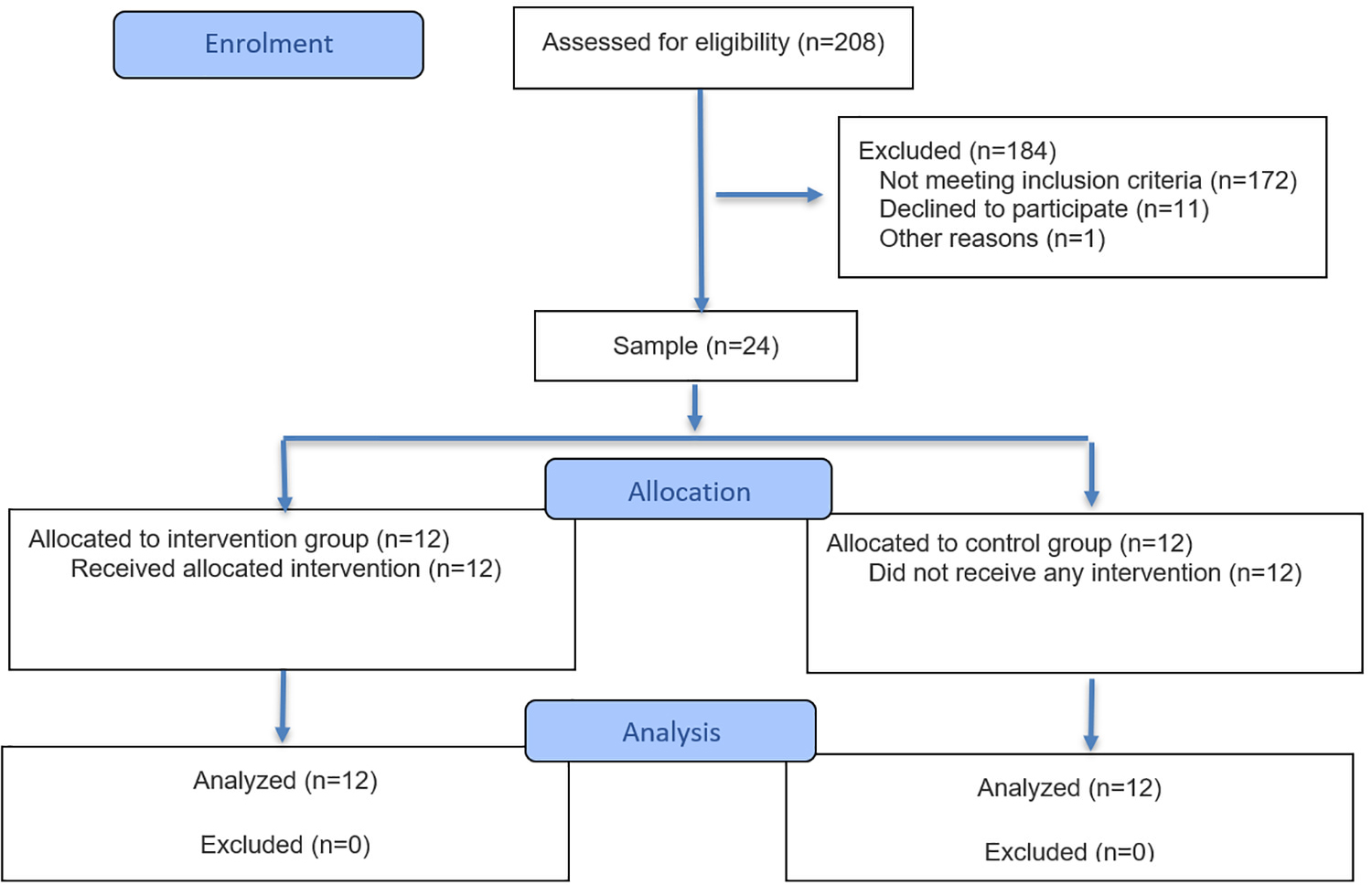
Figure 1. The figure shows the CONSORT flowchart of the study.
2.4. Data Collection and Measurements
2.4.1. Variables of Upper Cross Syndrome (UCS)
A side-view photography method (Canon camera; X710, Japan) was used to measure the forward head and shoulder. High reliability of this method was previously reported ( 20 ). Anatomical landmarks, including the C7 vertebra, ear tragus, and acromion, were used. Forward head angle is the angle between the line from the tragus to C7 and the horizontal line passing through C7; forward shoulder angle is the angle between the connecting line of the acromion and C7 and the horizontal line passing through the acromion. AutoCAD software assessed angles based on lines connecting the specified anatomical points (Figure 2).
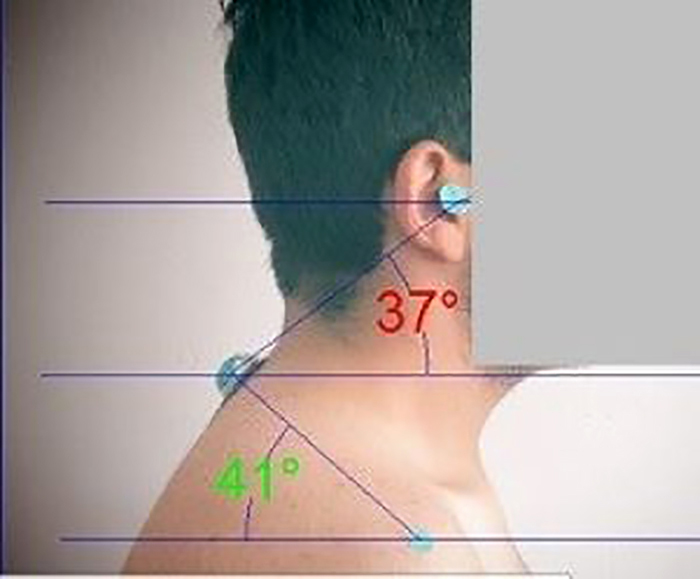
Figure 2. The figure shows how to measure the forward head and shoulders.
To measure the kyphosis angle, a 60 cm flexible ruler was employed in this study. The flexible ruler has demonstrated excellent reliability (97%) ( 11 , 21 ). The formula ɵ=4Arc tan(2h/l), implemented in Excel software, was used to determine the kyphosis angle, where “L” represents the length of the arc and “h” signifies the width of the thoracic arc. The measurement procedure involved placing the participant in a standing position, looking forward at the horizon, in a comfortable stance with legs shoulder-width apart. The T2 and T12 vertebrae were marked on the skin. Then, the flexible ruler was positioned on the participant’s spinal arch. The marked points T2 and T12 were transferred onto the ruler. Carefully, the flexible ruler was detached from the body. Then, its inner arc was drawn on paper using a pen. The upper and lower parts of the arch (T2 and T12) were connected by a line, providing the length of the arc (L), and the most protruding part of the thoracic arch denoted the depth of the arch (h). These measurements, accurate to 0.1 mm, were input into the kyphosis angle evaluation formula, yielding the kyphosis angle in degrees for each participant.
2.4.2. Trunk Extensor Muscle Strength
To measure this variable, a hand dynamometer (SPF Model, China) was used ( 22 ). The participants stood in front of horizontally and parallelly fixed metal bars on the wall, with their vision facing forward. A strap, situated approximately one centimeter below the anterior superior iliac spine, was secured around the participant’s pelvis and fixed to the bars, limiting pelvic movement. Additionally, a strap around the participant’s arms near the fourth thoracic vertebra (T4) ( 23 ), held a metal ring, to which the dynamometer was attached on one side, while the ring was fixed to the bars on the other side. Participants, with their hands crossed on their chest, were instructed to perform trunk extensions by opening their chest and pulling their shoulders back with maximum strength. The measurement process involved a submaximal repetition followed by three repetitions at maximum strength, each lasting 5 seconds with 30 seconds of rest. The highest strength was recorded in kilograms and then normalized to the participant’s weight.
2.5. Procedure
Upon identification of eligible and volunteer participants, informed consent forms were provided, and consent from both the participants and their guardians was obtained. Random Number Generator Software was used for randomization. First, each participant randomly selected a number from 1 to 24, with the researcher unaware of the number assigned to each person. Then, 12 random numbers between 1 and 24, generated by the Random Number Generator Software, were placed in one group and the next 12 in the other group: Control (n=12) and Corrective Exercises (n=12). The exercise protocol in the corrective exercise group was implemented for 10 weeks, three sessions per week. The control group did not engage in the intervention. Measurements were taken before and after the exercise protocol.
2.6. Intervention
The corrective exercise protocol spanned 10 weeks, with three sessions per week for the experimental group. The training regimen, detailed in Table 1, encompassed a series of stretching and strengthening exercises designed to address forward head posture, kyphosis, and forward shoulder issues. Chin-tuck exercises included a simple chin-tuck and a chin-tuck next to the wall with a ball. The participant was asked to stand adjacent to the wall, moving their chin downward and back, and maintaining this position for a specified duration ( 24 ).
| Weeks | W1 | W2 | W3 | W4 | W5 | W6 | W7 | W8 | W9 | W10 | |
|---|---|---|---|---|---|---|---|---|---|---|---|
| Theraband Exercises | Set & Repeat (n) | 1×10 | 2×10 | 2×10 | 2×12 | 2×12 | 3×12 | 3×12 | 3×14 | 3×14 | 4×14 |
| Other Exercises | Set (n) &Time (s) | 1×10 | 2×12 | 2×14 | 3×14 | 3×16 | 3×16 | 3×18 | 4×18 | 4×20 | 4×20 |
| TheraBand exercises included shoulder retraction, shoulder flexion, and shoulder external rotation. Other exercises included chin tucks, Swiss ball exercises, pectoral muscle stretching, and back extensor strengthening. | |||||||||||
TheraBand strengthening exercises included three TheraBand exercises: shoulder retraction, shoulder flexion, and shoulder external rotation. Shoulder retraction involved fixing the middle of the TheraBand to a bar in front of the participant. The participant, standing with arms in abduction and elbows in 90 degrees of flexion with the forearm horizontal and parallel to the ground, pulled the TheraBand to bring the scapulae together. Shoulder external rotation required fixing the TheraBand to a bar, while the participant, with a 90-degree arm abduction, 90-degree elbow flexion, and the forearm horizontal and parallel to the ground, externally rotated the arm by pulling the TheraBand. The shoulder flexion exercise involved fixing the TheraBand to a point on the ground; with arms at 90 degrees of flexion, the participant pulled the TheraBand to raise the shoulders up to 180 degrees before returning to the starting position ( 24 ).
The exercise intervention also comprised back extensor strengthening exercises, Swiss ball exercises, and pectoral muscle stretching exercises, which were performed as described below. Back extensor strengthening exercise: performed in a prone position on the floor. The participants, lying down had their pelvis supported, slowly raise their head and trunk from the ground, maintaining the position for a specified duration ( 10 ). Swiss ball exercises: two exercises targeting the anterior and posterior trunk muscles were performed using a Swiss ball. In the first exercise, the participants assumed a bridge position on the Swiss ball. The second exercise, performed by two people, involved holding hands while giving external rotation to their arms with the Swiss ball between them, maintaining the positions for a specified duration ( 25 ). Pectoral muscle stretching exercises: executed in two positions, on the floor and with the help of the wall. In the first position, the participant, lying on the floor, had their shoulders pushed towards the floor by a partner, maintaining the position for a specified duration ( 26 ). In the second position, the participant stood in a corner of the wall with their feet in line and hands at 90 degrees of arm abduction and 90 degrees of elbow flexion on the wall. While bending the knee of the front leg, the participants guided their trunk towards the corner of the wall, maintaining the position for a specified duration ( 24 ). Examples of exercises are given in Figure 3.
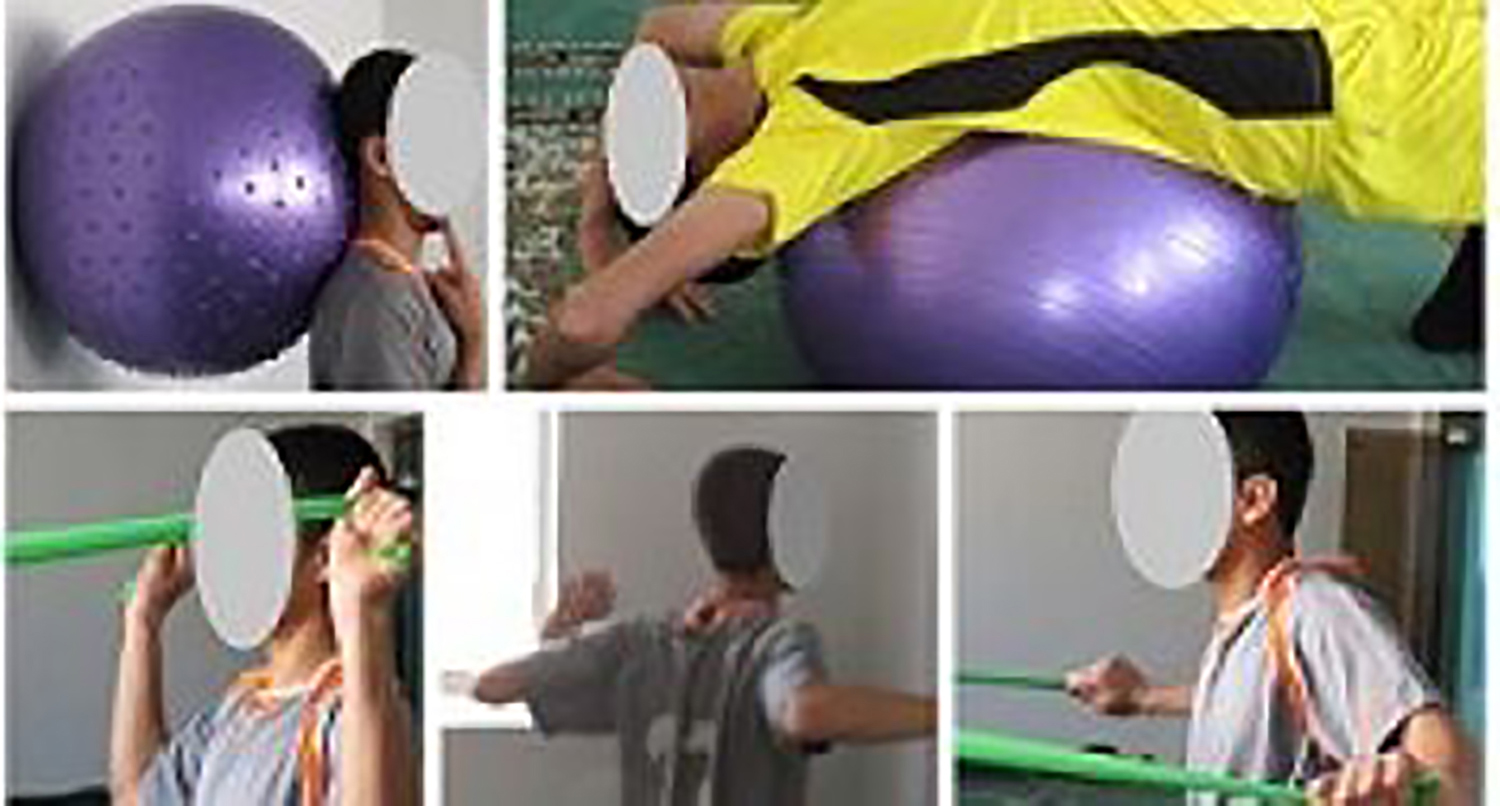
Figure 3. The figure shows the examples of selected corrective exercises.
The structure of the training session was as follows: the exercises were progressively advanced from easy to hard. A training session before the commencement of exercises familiarized participants with the routines. The color of the TheraBand was determined during this session, ensuring appropriate resistance for each participant. The participants practiced 10 repetitions with different colors of TheraBand’s, and based on the Omni Scale ( 27 ), the appropriate color was selected. To adhere to the overload principle, repetitions and training sets increased, and the TheraBand color changed as the participants progressed. Additionally, in other exercises where the participant maintained the training position for the necessary duration, the training time increased from 10 seconds to 20 seconds during the training weeks. Rest intervals between TheraBand sets were 1 minute, whereas those for the other exercises were set at half the duration of each hold.
2.7. Data Analysis
Normal distribution was checked with the KS test. Paired and independent t-tests were used for intra- and inter-group comparisons, respectively. Cohen’s d was used to report effect size. Alpha (α) was considered as 0.05, and the analysis was executed using IBM SPSS version 27.
3. Results
Twenty-four high school male adolescents with UCS and a mean age of 16.43±0.58 in Zahedan, Iran participated in this study. The inclusion criteria were healthy individuals without specific diseases, an age range between 15 and 17 years, non-participation in regular sports activities, and the presence of UCS abnormalities (kyphosis > 42°, forward head < 50°, and forward shoulder < 52°) ( 17 , 18 ). The exclusion criteria were: participation in corrective treatments outside the study, diagnosis of structural abnormalities, and a history of surgery or spinal fracture. Demographic information regarding the mean±SD of age, height, weight, and body mass index (BMI) in the corrective exercise group were 16.33±0.65, 169.75±8.64, 58.37±11.20, and 20.40±4.16, respectively. The corresponding values for the control group were 16.54±0.52, 176.13±6.73, 62.96±13.80, and 20.26±3.72, respectively. The results showed that there was no significant difference between the two groups in the variables of age (P=0.40), height (P=0.06), weight (P=0.38), and BMI (P=0.93).
Additionally, the results of the intra- and inter-group comparisons of UCS variables and trunk extensor muscle strength are reported in Table 2. Intra-group results (paired t-test) outlined in Table 2 demonstrate significant improvements in the forward head (P=0.001), forward shoulder (P=0.001), kyphosis (P=0.001), and trunk extensor muscle strength (P=0.001) from pre-test to post-test in the corrective exercises group. Conversely, no significant changes were detected in the control group for the mentioned variables (P=0.13, P=0.36, P=0.37, P=0.16). Inter-group analysis (independent t-test) showed no significant baseline differences between the groups in forward head (P=0.56), kyphosis (P=0.83), forward shoulder (P=0.09), or trunk extensor muscle strength (P=0.49). However, significant improvements were observed in the forward head (P=0.026, Cohen’s d=0.99), kyphosis (P=0.001, Cohen’s d=1.65), and trunk extensor muscle strength (P=0.001, Cohen’s d=2.00) between the two groups after intervention. Despite a significant improvement in the forward shoulder angle within the corrective exercises group, this change was not significant between the two groups (P=0.068, Cohen’s d=0.80) (Table 2).
| Variable | Group | Pre-test Mean±SD | Post-test Mean±SD | Mean Difference | P value (Intra-Group) | Cohen’s d |
|---|---|---|---|---|---|---|
| FH (deg) | Corrective Exercise | 43.58±7.83 | 47.66±6.19 | -4.08 | 0.001* | 1.36 |
| Control | 41.90±5.48 | 42.27±4.38 | -0.36 | 0.655 | 0.13 | |
| P value Inter-group | 0.56 | 0.026** | ------- | ------- | ------- | |
| Cohen’s d | 0.24 | 0.99 | ------- | ------- | ------- | |
| Kyphosis (deg) | Corrective Exercise | 46.57±5.00 | 38.44±6.05 | 8.12 | 0.001* | 1.89 |
| Control | 46.17±3.89 | 47.25±4.51 | -1.08 | 0.242 | 0.37 | |
| P value Inter-group | 0.83 | 0.001** | ------- | ------- | ------- | |
| Cohen’s d | 0.08 | 1.65 | ------- | ------- | ------- | |
| FSH(deg) | Corrective Exercise | 45.66±6.16 | 51.75±5.04 | -6.08 | 0.001* | 1.31 |
| Control | 49.09±2.02 | 48.18±3.65 | 0.90 | 0.250 | 0.36 | |
| P value Inter-group | 0.09 | 0.068 | ------- | ------- | ------- | |
| Cohen’s d | 0.73 | 0.80 | ------- | ------- | ------- | |
| TEMS (weight %) | Corrective Exercise | 8.42±2.01 | 12.77±2.27 | -4.34 | 0.001* | 1.86 |
| Control | 7.81±2.24 | 7.93±2.54 | -0.12 | 0.587 | 0.16 | |
| P value Inter-group | 0.49 | 0.001** | -------- | ------- | ------- | |
| Cohen’s d | 0.28 | 2.00 | -------- | ------- | ------- | |
| *Intra-group comparison, P value˂0.05; **Inter-group comparison, P value˂0.05; UCS: Upper Cross Syndrome; FH: Forward Head; FSH: Forward Shoulder; TEMS: Trunk Extensor Muscles Strength; Deg: Degree | ||||||
4. Discussion
UCS, resulting from muscle imbalance in the upper quadrant, manifests as altered movement patterns, muscle activation, and deformities, including forward head, forward shoulder, and kyphosis ( 28 ). Kendall’s perspective on postural disorder improvement recommends stretching shortened muscles and strengthening weakened ones ( 29 ). The corrective exercises in this study aimed to address these deformities through targeted muscle stretching and strengthening over 10 weeks, showing significant improvement with a large effect size in the forward head angle, kyphosis angle, and percentage of trunk extensor muscle strength in male adolescents with UCS.
Previous research on the use of corrective exercises for adolescent posture correction has shown positive effects, which confirm our findings ( 16 , 30 ). A review study emphasized that the most effective results in improving postural abnormalities occur with interventions targeting both neural and muscular components over a minimum of 6 weeks, three times weekly, for 15 to 60 minutes per session ( 14 ). Our study aligned with these recommendations, as it investigated the effect of corrective exercises for 10 weeks, conducted three times weekly, resulting in a significant correction of UCS deformity in male adolescents.
In this regard, it has been reported that corrective exercises that include stretching and strengthening, along with comprehensive programs that involve all target muscles, are perhaps effective in correcting UCS ( 31 ). Firouzjah and colleagues investigated corrective exercise programs incorporating muscle release, stretching, and strengthening, with and without Swiss ball exercises, in athletes aged 16–18 years with UCS, and reported reductions in spinal abnormalities and improved performance ( 32 ). Consistent with these findings, the inclusion of Swiss ball exercises in the present study led to improvements in UCS. Furthermore, Shadi and co-workers showed that combined stretching and strengthening exercises are effective in correcting UCS in adolescents, supporting the present results ( 16 ). An analysis of a review study showed that upper crossed syndrome correction is most effective in programs including strength and stretching exercises ( 33 ). Additionally, Hajihosseini and colleagues reported that combined exercises have a more favorable effect on correcting forward head posture and kyphosis than either strengthening or stretching exercises alone ( 24 ). Our training protocol combined strengthening and stretching exercises, but unlike previous study on upper crossed syndrome ( 31 ), it included TheraBand exercises to target weakened muscles an approach rarely explored in adolescents. Although few studies have addressed this, their results were consistent with our findings ( 24 , 34 ). Using TheraBand promotes three key adaptations in muscles. These include enhanced neuromuscular activation, improved elastic energy storage and release, and strength gains through rapid force production ( 35 ). Increased strength was also observed in our study.
The effect of exercises in our study in correcting forward head posture was particularly noteworthy. Forward head posture is associated with the shortening of the neck extensor muscles and weakness of the neck flexor muscles ( 36 ). Exercises in this study, including the chin tuck exercise, demonstrated significant improvement in forward head angle, potentially due to the increased length of shortened upper neck muscles and enhanced strength in the front neck muscles, restoring balance ( 37 ). The deep neck flexors are very important for the position of the cervical spine. The primary action of these muscles is to nod the chin. A defect in muscle recruitment can create an imbalance between the neck’s anterior and posterior stabilizers. A forward head posture will be created as a result. Thus, maintaining correct cervical alignment (chin tuck) during exercise is key to reducing the stress on the cervical spine and improving forward head posture ( 38 ). Additionally, altered head posture is associated with changes in scapular muscle activity along the kinetic chain ( 32 ). Thus, our results showed that corrective exercises on the complex of the shoulder may have positively influenced the scapular muscles, contributing to the reduction in forward head angle.
Moreover, exercises in the present study reduced the kyphosis angle in male adolescents with UCS. This finding was in line with findings from other studies that have investigated kyphosis correction and upper crossed syndrome ( 16 , 25 ). Thoracic hyperkyphosis probably causes the stretching and weakness of the erector spinae muscles and, as a result, reduces the sense of position and the strength of the back extensors and limits trunk extension ( 39 ). It has been shown that spinal balance in the sagittal plane is related to trunk muscle strength ( 2 ). Individuals with a higher degree of kyphosis have been shown to have lower peak strength in the trunk extensor muscles ( 40 ). In addition to improving the kyphosis angle, our study found a significant increase in trunk extensor strength. This effect was observed in adolescents with UCS who performed corrective exercises. Therefore, our study highlighted the potential role of muscle strengthening in increasing the strength of the erector spinae muscles, contributing to improved hyperkyphosis.
Strengthening exercises targeting the back and trunk extensors appear particularly effective. They address postural deformity while enhancing trunk extensor strength. Additionally, the improvement in forward shoulder angle was not significant between the two groups, which may be attributed to the resistance of this deformity to the effect of training. However, significant intra-group improvement was observed in the corrective exercise group after 10 weeks of training in forward shoulder angle. Further investigation is warranted to explore the specific effects of exercises on forward shoulder correction.
4.1. Limitations
Although the study participants were advised not to participate in regular activities outside of the study program, it was not possible to fully control the participants’ daily activities. In addition, the exercises in the present study were conducted exclusively on adolescent boys with upper crossed syndrome and did not include girls.
5. Conclusions
In this study, a 10-week exercise program demonstrated significant improvements in posture correction and trunk extensor strength parameters, contributing to the existing body of knowledge on the positive effect of targeted interventions in UCS postural correction. Our results showed that the corrective exercise protocol of this study can be used as an effective method to improve malalignments related to adolescent male UCS. Furthermore, this exercise intervention can serve as a method to prevent UCS. Therefore, the use of the present exercise protocol is suggested for teachers, coaches, and sports medicine specialists in order to prevent and correct UCS in male adolescents. It is recommended to investigate girls with upper crossed syndrome using a design similar to the present research for the future studies.
Acknowledgement
This article was extracted from the MSc thesis of Mr. Abbas Kaykha at the University of Sistan and Baluchestan, Zahedan, Iran. Also, the authors would like to thank all the people who participated in the study.
Authors’ Contribution
Abbas Kaykha: Contributed to the conception, design, methodology and implement of the work, collection, analysis and interpretation of data for the work; drafted the work. Zahra Raghi: Contributed to the conception, design, and methodology of the work, analysis and interpretation of data for the work; drafted the work and reviewed it critically for important intellectual content. Mohammadreza Rezaeipour: Contributed to the conception and methodology of the work, interpretation of data for the work; drafted the work and reviewed it critically for important intellectual content. Mohammadreza Shahraki: Contributed to the conception, methodology and data collection; reviewed the work critically for important intellectual content. All authors have read and approved the final manuscript and agree to be accountable for all aspects of the work, such as the questions related to the accuracy or integrity of any part of the work.
Conflict of Interest
None declared.
Funding
None.
Ethical Approval
The ethics committee of the University of Sistan and Baluchestan, Zahedan, Iran approved the present study with the code of IR.USB.REC.1398.028. Also, written informed consent was obtained from the participants.
References
- Kłapeć W, Możdżeń A, Jaśkowska J, Szymonek P. The science of posture: how the spine shapes health and mobility. Wiad Lek. 2025; 78(3):609-14. DOI | PubMed
- Elsayed W, Farrag A, Muaidi Q, Almulhim N. Relationship between sagittal spinal curves geometry and isokinetic trunk muscle strength in adults. Eur Spine J. 2018; 27(8):2014-22. DOI | PubMed
- Ludwig O, Berger J, Becker S, Kemmler W, Fröhlich M. The impact of whole-body Electromyostimulation on Body Posture and Trunk Muscle Strength in Untrained Persons. Front physiol. 2019; 10:1020. Publisher Full Text | DOI | PubMed [ PMC Free Article ]
- Carroll B, Hunt S, Sheeleigh K, Wnukowski M. The influence of forward head posture on suprahyoid activity during oropharyngeal swallowing: a surface electromyographic analysis. USA: CUNY Academic Works; 2015.
- Taleschian-Tabrizi N, Alinezhad F, Pezeshki MZ, Dastgiri S, Eftekharsadat B, Dolatkhah N. Prevalence of Spinal Deformities among School Age Children in Iran: A Systematic Review and Meta-Analysis. Int J Pediatr. 2022; 10(7):16402-16. DOI
- Sarvari S, Mokari Saei S, Rahimzadeh M, Salehian MH. The Effect of an Online Corrective Training Intervention on the Upper Cross Syndrome and Feelings of Fatigue and Pain in Adolescents. Int J Pediatr. 2022; 10(4):15813-22. DOI
- Elpeze G, Usgu G. The Effect of a Comprehensive Corrective Exercise Program on Kyphosis Angle and Balance in Kyphotic Adolescents. Healthcare. 2022; 10(12):2478. Publisher Full Text | DOI | PubMed [ PMC Free Article ]
- Ahmadi H, Yalfani A, Gandomi F. The Effect of Eight-Week Corrective Exercises Carried out in Water on Pain, Neck Flexors Endurance and Upper Extremity Range of Motion in Patient with Upper Crossed Syndrome. Journal of Shahid Sadoughi University of Medical Sciences. 2019; 27(3):1381-94. DOI Persian
- Mubashir M. A cross-sectional survey on prevalence of upper cross syndrome and its correlation to WRMSDS in working physiotherapists. Pakistan Journal of Rehabilitation. 2021; 10(1):54-63.
- Idan Almasoodi MC, Mahdavinejad R, Ghasmi G. The Effect of 8 Weeks National Academy of Sports Medicine Exercises Training on Posture, Shoulder Pain, and Functional Disability in Male with Upper Cross Syndrome. Systematic Reviews in Pharmacy. 2020; 11(11):1826-33. DOI
- Karimizadeh Ardakani M, Soroush Fard Z, Amirizadeh F, Naderifar H. Effect of thoracic hyper-kyphosis posture on upper extremity function of female students. Journal of Rehabilitation Sciences & Research. 2022; 9(1):30-5.
- Zouita ABM, Salah FZB, Dziri C, Beardsley C. Comparison of isokinetic trunk flexion and extension torques and powers between athletes and nonathletes. J Exerc Rehabil. 2018; 14(1):72-7. Publisher Full Text | DOI | PubMed [ PMC Free Article ]
- Barczyk-Pawelec K, Piechura JR, Dziubek W, Rożek K. Evaluation of isokinetic trunk muscle strength in adolescents with normal and abnormal postures. J Manipulative Physiol Ther. 2015; 38(7):484-92. DOI | PubMed
- Bayattork M, Sköld MB, Sundstrup E, Andersen LL. Exercise interventions to improve postural malalignments in head, neck, and trunk among adolescents, adults, and older people: systematic review of randomized controlled trials. J Exerc Rehabil. 2020; 16(1):36-48. Publisher Full Text | DOI | PubMed [ PMC Free Article ]
- Kamali F, Shirazi SA, Ebrahimi S, Mirshamsi M, Ghanbari A. Comparison of manual therapy and exercise therapy for postural hyperkyphosis: a randomized clinical trial. Physiother Theory Pract. 2016; 32(2):92-7. DOI | PubMed
- Shadi N, Khalaghi K, Seyedahmadi M. Comparing the effects of Pilates, corrective exercises, and Alexander’s technique on upper cross syndrome among adolescent girls student (ages 13–16): a six-week study. BMC Sports Sci Med Rehabil. 2024; 16(1):143. Publisher Full Text | DOI | PubMed [ PMC Free Article ]
- Esmaeili Z, Ghani Zadeh Hesar N, Mohammad Ali Nasab Firouzjah E, Roshani S. Comparing the effect of functional corrective exercises versus core stability exercises and a combined program on forward head posture and kyphosis in female adolescence. Journal of Rehabilitation Sciences & Research. 2021; 8(2):62-8. DOI
- Ruivo R, Carita A, Pezarat-Correia P. The effects of training and detraining after an 8 month resistance and stretching training program on forward head and protracted shoulder postures in adolescents: Randomised controlled study. Man Ther. 2016; 21:76-82. DOI | PubMed
- Karimian R, Rahnama N, Ghasemi G, Lenjannejadian S. Photogrammetric Analysis of Upper Cross Syndrome among Teachers and the Effects of National Academy of Sports Medicine Exercises with Ergonomic Intervention on the Syndrome. J Res Health Sci. 2019; 19(3):e00450. Publisher Full Text | PubMed [ PMC Free Article ]
- Ruivo RM, Pezarat-Correia P, Carita AI. Intrarater and interrater reliability of photographic measurement of upper-body standing posture of adolescents. J Manipulative Physiol Ther. 2015; 38(1):74-80. DOI | PubMed
- Zanguie H, Yousefi M, FARJAD PA. Validity and Reliability of Non-Invasive Methods for Evaluating Kyphosis and Lordosis Curvatures: A Literature Review. Journal of Modern Rehabilitation. 2023; 17(3):251-262. DOI
- Riahi M, Raghi Z, Banparvari M, Salehikia A. The Effect of Four Months of Core Stability Training on Femoral Bone Mineral Density and Lower Extremity Muscles Strength in Postmenopausal Women. Shahroud Journal of Medical Sciences. 2022; 8(3):7-12. DOI
- Karthikbabu S, Chakrapani M. Hand-held Dynamometer is a Reliable Tool to Measure Trunk Muscle Strength in Chronic Stroke. J Clin Diagn Res. 2017; 11(9):YC09-YC12. Publisher Full Text | DOI | PubMed [ PMC Free Article ]
- Hhajihosseini E, Norasteh A, Shamsi A, Daneshmandi H. The Comparison of Effect of Three Programs of Strengthening, Stretching and Comprehensive on Upper Crossed Syndrome. J Res Rehabil Sci. 2015; 11(1):51-61. DOI Persian
- Azhang M, Khayyam Bashi K, Fazel AA, Bagheri L, Emamdoost S, Otadi K. Comparison effect of conventional corrective exercise and physioball exercise on improvement of hyperkyphosis and vital capacity in female students. Journal of Modern Rehabilitation. 2016; 9(6):168-76. Persian
- Çoban T, Başar S, Soylu Ç. Comparison of the immediate effects of different stretching methods for the pectoralis minor muscle in individuals with shoulder protraction. Journal of Orthopedics Research and Rehabilitation. 2025; 3(3):51-7. DOI
- Colado JC, Garcia-Masso X, Triplett NT, Calatayud J, Flandez J, Behm D, et al. Construct and concurrent validation of a new resistance intensity scale for exercise with thera-band® elastic bands. J Sports Sci Med. 2014; 13(4):758-66. Publisher Full Text | PubMed [ PMC Free Article ]
- Bayattork M, Seidi F, Minoonejad H, Andersen LL, Page P. The effectiveness of a comprehensive corrective exercises program and subsequent detraining on alignment, muscle activation, and movement pattern in men with upper crossed syndrome: protocol for a parallel-group randomized controlled trial. Trials. 2020; 21(1):255. Publisher Full Text | DOI | PubMed [ PMC Free Article ]
- Kendall FP, McCreary EK, Provance PG, Rodgers MM, Romani WA. Muscles testing and function with posture and pain. US: Philadelphia, Lippincott Williams & Wilkins; 2005.
- Darabi Z, Sokhangouei Y, Ghomsheh FT, Fatahi A. The Effect of corrective exercise on spatiotemporal components and gait patterns of adolescents with upper cross syndrome. Journal of Clinical Physiotherapy Research. 2022; 7(4):e75.
- Sepehri S, Sheikhhoseini R, Piri H, Sayyadi P. The effect of various therapeutic exercises on forward head posture, rounded shoulder, and hyperkyphosis among people with upper crossed syndrome: a systematic review and meta-analysis. BMC Musculoskelet Disord. 2024; 25(1):105. Publisher Full Text | DOI | PubMed [ PMC Free Article ]
- Firouzjah MH, Firouzjah EMAN, Ebrahimi Z. The effect of a course of selected corrective exercises on posture, scapula-humeral rhythm and performance of adolescent volleyball players with upper cross syndrome. BMC Musculoskelet Disord. 2023; 24(1):489. Publisher Full Text | DOI | PubMed [ PMC Free Article ]
- Ranđelović I, Jorgić B, Antić V, Hadžović M. Effects of Exercise Programs on Upper Crossed Syndrome: a Systematic Review. Physical Education and Sport Through the Centuries. 2020; 7(2):152-68. DOI
- Gera C, Lamba S, Pawalia A, Panihar U. Efficacy of various exercises in the management of upper crossed syndrome. Comparative Exercise Physiology. 2023; 19(3):207-14. DOI
- Rahmadani FC, Utamayasa IGD, Kusuma AI. The Effect of resistance band training on improving overhead volleyball serve skills in the extracurricular program at SDN Bangsri Sukodono. Journal Sports Exercise Science International (SESI). 2025; 1(1):19-27.
- Abd El-Azeim AS, Mahmoud AG, Mohamed MT, El-Khateeb YS. Impact of adding scapular stabilization to postural correctional exercises on symptomatic forward head posture: a randomized controlled trial. Eur J Phys Rehabil Med. 2022; 58(5):757-66. Publisher Full Text | DOI | PubMed [ PMC Free Article ]
- Rezvankhah Golsefidi N, Emami Hashemi SA. Effect of four Weeks of Corrective Exercises on Forward Head Angle and Spirometry Parameters of Female College Students. Scientific Journal of Rehabilitation Medicine. 2015; 4(4):125-32. DOI Persian
- National Academy of Sports Medicine (NASM). Essentials of Corrective Exercise Training. USA: Jones & Bartlett Learning; 2021.
- Jung S-h, Hwang U-j, Ahn S-h, Kim J-h, Kwon O-y. Effects of Manual Therapy and Mechanical Massage on Spinal Alignment, Extension Range of Motion, Back Extensor Electromyographic Activity, and Thoracic Extension Strength in Individuals with Thoracic Hyperkyphosis: a Randomized Controlled Trial. Evid Based Complement Alternat Med. 2020; 2020(1):6526935. DOI | PubMed
- Granito RN, Aveiro MC, Rennó ACM, Oishi J, Driusso P. Degree of thoracic kyphosis and peak torque of trunk flexors and extensors among healthy women. Rev Bras Ortop. 2014; 49(3):286-91. Publisher Full Text | DOI | PubMed [ PMC Free Article ]


