
1. Introduction
Economic development and rapid population growth in recent decades have increased the demand for public services in many developing regions ( 1 , 2 ). One outcome of this demographic expansion is the rising number of schools, which has made it increasingly important to consider environmental health and safety to protect students’ well-being. Among the seventeen Sustainable Development Goals, Goal 3 emphasizes good health and well-being, whereas Goal 4 aims to ensure quality education. Environmental health and safety in schools contribute directly to achieving these objectives ( 3 , 4 ). This issue is particularly salient for developing countries undergoing economic and industrial growth alongside population expansion, partly facilitated by improved access to health care services ( 5 ). In response, several countries have adopted local instructions and guidelines aligned with international standards to ensure appropriate health conditions and mitigate potential risks ( 6 ). Nevertheless, the degree to which these goals are achieved and the guidelines are implemented varies across regions, largely due to economic constraints and contextual factors.
School health is defined as a set of activities designed to assess, maintain, and promote the physical, mental, and social well-being of students and staff under appropriate supervision. Its primary aim is to foster healthy and well-rounded children who experience normal physical, emotional, and psychological development ( 7 ). As the “second home” of children, schools play a crucial role in their cognitive, creative, and social growth. Consequently, they must provide environments conducive to nurturing student talents and promoting physical and mental health in settings ideally free from excessive noise ( 8 ). Safeguarding student health at the community level is vital because of their vulnerability and central importance to families. A healthy school environment includes clean air, calming colors, minimal noise pollution, adequate lighting, and effective ventilation and temperature control systems ( 9 ). Numerous factors influence the quality of the school environment, such as cleanliness, population density, noise levels, lighting quality, and classroom design. Research demonstrated direct associations between school physical characteristics and student behavioral outcomes. Environmental hygiene encompasses all measures aimed at maintaining student health, preventing disease transmission, and enhancing overall health standards within schools ( 10 , 11 ). Investment in student health represents an investment in future generations ( 12 ) and neglecting school hygiene can jeopardize teachers’ health as well. The concentration of vulnerable populations in schools increases the likelihood of infectious disease outbreaks, highlighting the urgency of maintaining adequate health measures ( 13 ). Failure to comply with safety standards elevates the risk of accidents and injuries. Ignoring ergonomic principles may contribute to fatigue and musculoskeletal disorders. Key factors that undermine health, safety, and ergonomic conditions include insufficient educational space, proximity to hazardous locations, poor-quality health facilities, and risks associated with electrical hazards and fire ( 14 ). The design of school environments, including elements such as color schemes, lighting, acoustics, furnishings, and playground structures, substantially influences student health and behavior. Major environmental shortcomings in schools often include inadequate lighting, unhygienic classrooms, and limited access to first aid resources, which together contribute to increased risk of accidents and illness, reduced concentration and academic performance, higher absenteeism, and long-term negative impacts on students’ physical and mental health, especially among vulnerable populations, unless addressed through targeted infrastructure upgrades, strict hygiene protocols, staff training, and accessible emergency care supplies ( 15 ).
Iran, a developing country that has undergone substantial population growth in recent decades, faces environmental consequences associated with economic expansion, including air pollution, increased waste generation, declining water resources, and rising volumes of wastewater, as reported in previous studies ( 6 , 16 , 17 ). Despite these documented challenges, limited research has examined the health implications of environmental health and safety conditions arising from growing student populations in Iran. Recent studies have emphasized that health and safety in school environments are essential to achieving educational quality and ensuring student well-being; however, persistent deficiencies indicate the urgent need for improvements ( 18 - 21 ).
Given the critical influence of schools, continuous assessment of environmental and safety conditions is essential. The primary aim of this study was to evaluate the safety and health status of urban primary schools in Fasa, Fars Province, Iran, in 2024. In addition, environmental health indicators were assessed in relation to safety measures and the overall status of environmental health. Finally, the study compared schools by gender composition (girls’ versus boys’ schools), ownership (public versus private), and age (old versus new) to identify statistically significant differences.
2. Methods
2.1. Design
This descriptive cross-sectional study was conducted in 2024 to assess environmental health and safety conditions in urban primary schools in Fasa, Fars Province, Iran.
2.2. Selection and Description of Participants
The sample comprised all 64 urban primary schools distributed across three administrative regions of Fasa, Fars Province, Iran. A current, numbered list of eligible schools (IDs 1–64) was constructed, and simple random sampling was applied to select participating institutions. Twenty-seven schools were included to represent the three administrative regions; the final sample comprised 14 boys’ schools and 13 girls’ schools and included both public and private institutions of varying size and infrastructure. Selection ensured representation from each administrative region of the Department of Education of Fasa, Iran. All assessments were performed by the school health officer affiliated with Fasa University of Medical Sciences, Fasa, Iran. During each on-site visit, the school health coordinator or a trained staff member responsible for health matters participated to facilitate standardized data collection and to minimize inter-rater variability.
2.3. Sample Size Determination
The sample comprised 27 schools selected from 64 urban primary schools in Fasa, Iran. The sample size was established by applying a simple random sampling technique to the complete list of eligible schools to obtain a representative subset across the three administrative regions.
2.4. Data Collection and Measurements
A standardized 79-item checklist covering environmental health and safety indicators, organized into four primary sections including a) General characteristics (14 items): total student enrollment, building type, gender composition, number of shifts, ownership, and other fundamental attributes; b) Restroom conditions (12 items): separation of drinking water fountains from toilets, restroom-to-student ratios, and related sanitation features; c) Canteen conditions (7 items): canteen hygiene and sanitary practices of food service personnel; e) School grounds and classroom safety (26 items): hygiene of school grounds (6 items) and classroom conditions and safety measures (20 items), including availability of firefighting equipment. Each checklist item offered three response options: “Compliant with regulations” (score=2), “Non-compliant with regulations” (score=1), and “Not applicable” (score=0). Total and domain scores were converted to percentage suitability ratios and subsequently categorized as acceptable (>75%), average (50–75%), and poor (<50%). Data were collected by direct observation, structured interviews, and on-site measurements completed during each school visit.
2.5. Procedure
A structured 79-item checklist was developed in alignment with environmental health regulations and national standards issued by the Ministry of Health and Medical Education. Each selected school received an on-site visit in 2024 by the school health officer. The visit team included the school health coordinator or a trained school staff member to facilitate data collection and to clarify school-specific information. A single qualified assessor, the school health expert, completed all checklists in collaboration with the school’s designated health representative to ensure consistency and to reduce inter-rater variability.
2.6. Data Analysis
Data were entered and analyzed using SPSS version 25. For each school and for each checklist domain, the minimum, maximum, mean, and standard deviation of suitability ratios were computed. Differences in suitability ratios between groups of schools (for example, by gender composition or ownership) were assessed using t-tests where appropriate.
3. Results
The study included 27 schools that met the predefined inclusion criteria. Eligible schools were those that were operational during the study period, provided urban primary education within the study area, and consented to participate in the environmental and health assessment. Schools closed during data collection, declined participation, or lacked sufficient records for the assessed indicators were excluded.
3.1. School Characteristics
As shown in Table 1, the sample comprised slightly more girls’ schools (51.9%) than boys’ schools (48.1%). The majority of institutions served primary-level students (77.8%), while the remainder served at the high-school level (22.2%). Most schools operated a single shift (70.4%), whereas 29.6% used dual shifts. With regard to building age, the majority of school buildings were classified as older structures (74.1%), compared with 25.9% that were newly built.
| Gender | Level | Shift | Building Status | Ownership | ||||||
|---|---|---|---|---|---|---|---|---|---|---|
| Girls’ | Boys’ | Primary | Secondary | Single | Dual | Old | New | Public | Private | |
| Frequency | 14 | 13 | 21 | 6 | 19 | 8 | 20 | 7 | 21 | 6 |
| Percentage | 51.9 | 48.1 | 77.8 | 22.2 | 70.4 | 29.6 | 74.1 | 25.9 | 77.8 | 22.2 |
3.2. Environmental Health Scores and Hygiene Indicators
The mean overall environmental health score across the sampled schools was 132.2±2.13. Applying the pre-specified categorical thresholds (acceptable: >100; average: 50–100; poor: <50), the overall environmental health status of the sampled schools was classified as acceptable (Table 2).
| Environmental Health Aspects | Frequency | Minimum | Maximum | Mean±Standard Deviation |
|---|---|---|---|---|
| Teacher’s Office | 27 | 14 | 20 | 18.5±2.2 |
| Corridor | 27 | 14 | 20 | 18.2±1.7 |
| Environment | 27 | 4 | 10 | 19.1±1.3 |
| Classroom | 27 | 14 | 25 | 21.6±3.3 |
| Waste Management | 27 | 4 | 10 | 8.7±1.7 |
| Canteen | 27 | 8 | 20 | 16.4±4.6 |
| Drinking Fountain | 27 | 8 | 15 | 13.04±2.2 |
| Restrooms | 27 | 9 | 15 | 13.6±1.9 |
| Overall Environmental Health | 27 | 107 | 150 | 132.2±2.13 |
Figure 1 summarizes detailed health and hygiene indicators for the 27 schools included in the study.
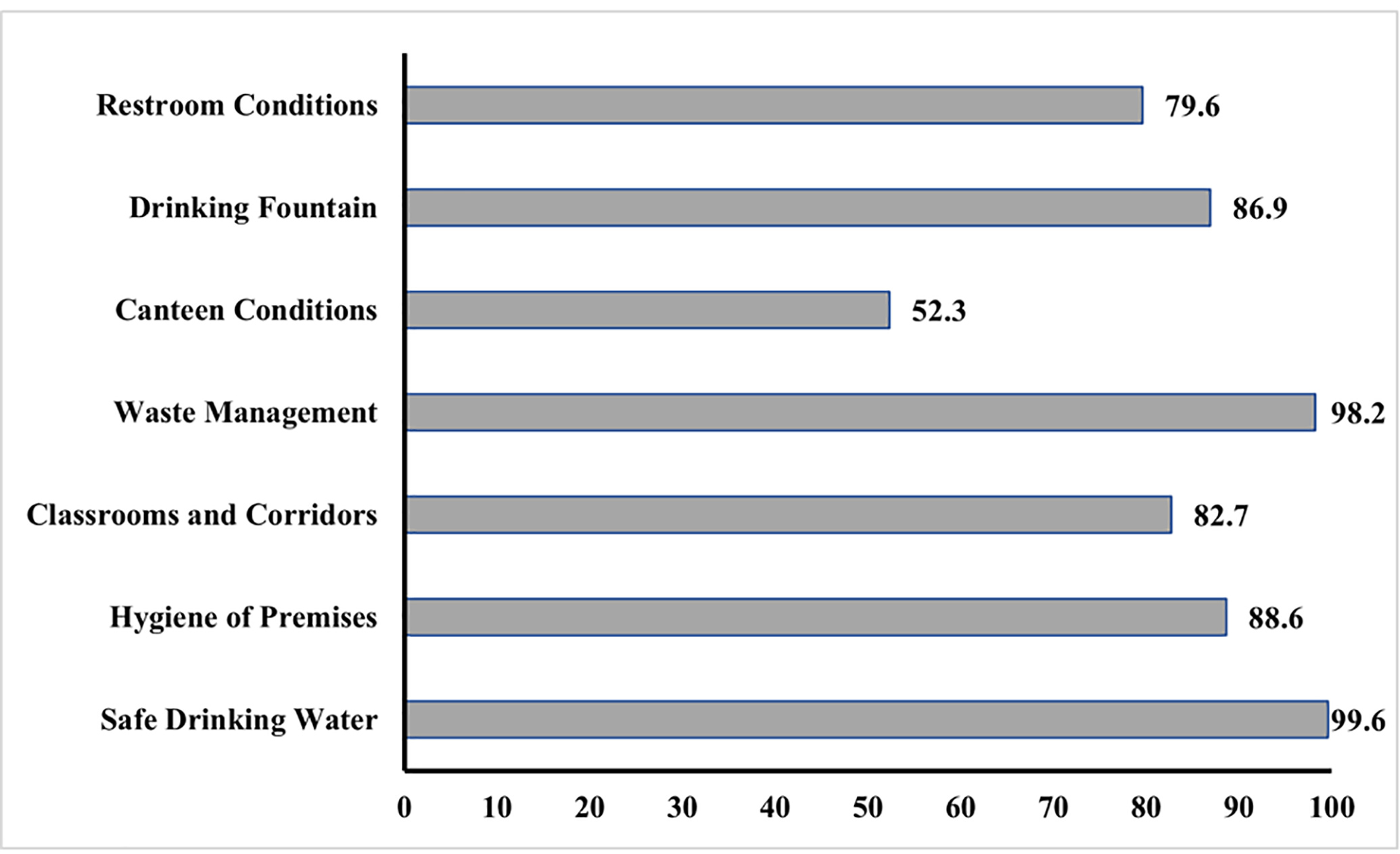
Figure 1. The figure shows the distribution of health percentages across various health domains in schools.
Most institutions performed strongly on core infrastructure and sanitation metrics; virtually all schools (99.6%) had access to safe drinking water, and almost all reported proper waste-management practices (98.2%). High proportions of schools also met hygiene standards for premises and grounds (88.6%), classrooms and corridors (82.7%), and drinking fountains (86.9%). Restroom hygiene complied with established standards in 79.6% of schools. Despite these generally favorable outcomes, canteen conditions were comparatively weak; only 52.3% of schools met acceptable health standards for canteens, identifying canteen hygiene as a clear target for intervention. Although most indicators demonstrated acceptable performance, the lower proportion of schools meeting canteen standards indicates areas that require targeted improvement.
3.3. Safety Features and Infrastructure
Assessment of structural and surface conditions indicated that classroom walls and floors were largely fit for purpose. Wall safety was judged adequate in 26 schools (96.3%), and all schools (100.0%) had durable and washable flooring. Ergonomic and space-related factors were more variable; desks and chairs met safety and ergonomic expectations in 17 schools (63.0%), leaving 10 schools (37.0%) with furniture that did not satisfy those criteria. Compliance with recommended spacing between furniture was nearly evenly split, with 14 schools (51.8%) meeting guidelines and 13 schools (48.2%) failing to meet the required spacing standards. These findings suggested that, while basic structural integrity was commonly maintained, attention to student ergonomics and classroom layout remains necessary.
Environmental comfort and building systems were acceptable in the majority of schools; appropriate lighting, adequate temperature control, and sufficient ventilation or cooling were present in 22 schools (77.8%). Emergency preparedness and signage produced mixed results; 19 schools (70.4%) had emergency alarm systems, and 22 schools (77.8%) provided emergency training for students; however, only 15 schools (60.0%) had fully adequate emergency signage and clearly delineated exit routes. Electrical and fire-safety measures were comparatively strong, with 26 schools (96.3%) maintaining safe electrical fixtures and possessing fire-extinguishing equipment; first-aid kits were available in 22 schools (77.8%).
Laboratory facilities were serviceable but unevenly equipped. Suitable wall and floor conditions with appropriate slopes were present in 21 schools (77.8%). Access to basic hygiene amenities in laboratories, including washbasins, liquid soap, and hot/cold water, was available in 17 schools (63.0%), and adequate ventilation was reported in 19 schools (70.4%). Nevertheless, only 14 schools (51.8%) had safety instructions visibly posted in laboratories, highlighting an opportunity to bolster procedural and informational aspects of laboratory safety even where physical infrastructure exists.
With respect to site and spatial considerations, most schools (77.8%) were sited away from major pollution sources such as factories. Adequate indoor and outdoor space per student was reported in 19 schools (70.4%), whereas eight schools indicated space shortages. Green-space provision was variable; 16 schools met recommended green-space standards while 11 did not. These spatial and environmental characteristics have implications for recreational opportunities, student well-being, and the feasibility of outdoor learning activities.
Comparative analyses revealed no statistically significant differences between girls’ and boys’ schools (mean: 80.85 for girls’ schools vs. 80.25 for boys’ schools) or between public and private schools (mean: 76.37 for public schools vs. 77.22 for private schools), indicating negligible mean differences relative to observed variability. By contrast, older schools versus newer schools exhibited a notable mean gap (mean: 74.35 for old schools vs. 84.43 for new schools, P=0.0828), a difference of approximately 10 points that did not attain conventional statistical significance (Table 3).
| Criteria | Yes | No |
|---|---|---|
| Classroom, corridor, and stairwall surfaces shall be continuous, smooth, and finished up to window height. | 26 (96.3%) | 1 (3.7%) |
| Classroom and corridor floors shall be durable, nonporous, and washable. | 26 (96.3%) | 1 (3.7%) |
| Classroom ceilings shall be smooth, seamless, and finished in a light-reflective color. | 25 (92.6%) | 2 (7.4%) |
| The minimum horizontal distance from the instructional board to the first row of students shall be 2.2 m. | 22 (77.8%) | 5 (18.5%) |
| Minimum usable floor area per student shall be 1.2 m2. | 14 (51.8%) | 13 (48.2%) |
| Desks and chairs shall be ergonomically appropriate, safe, and sized to student needs. | 17 (63.0%) | 10 (36.8%) |
| Staircases shall be structurally safe and fitted with continuous handrails. | 17 (63.0%) | 10 (36.8%) |
| Upper-floor windows shall have protective guards to prevent falls. | 19 (70.4%) | 8 (29.6%) |
| Construction of balconies or terraces directly serving classrooms is prohibited. | 21 (77.8%) | 6 (22.2%) |
| Classrooms shall have adequate artificial lighting. | 22 (77.8%) | 5 (18.5%) |
| Classrooms shall have use of natural daylight. | 21 (77.8%) | 6 (22.2%) |
| Indoor temperatures shall be maintained at appropriate levels for seasonal conditions. | 22 (77.8%) | 5 (18.5%) |
| Classrooms shall be equipped with adequate ventilation and, where required, mechanical cooling systems. | 22 (77.8%) | 5 (18.5%) |
| Heating appliances shall be installed and operated with appropriate safety measures. | 23 (85.2%) | 4 (14.8%) |
| Warning signs for electric shock hazards and emergency exit routes shall be prominently displayed. | 15 (60.0%) | 12 (40.0%) |
| Electrical panels, switches, and sockets shall be maintained in good working order. | 26 (96.3%) | 1 (3.7%) |
| An audible emergency alarm system shall be installed and maintained. | 19 (70.4%) | 8 (29.6%) |
| The building shall provide clearly accessible emergency exits. | 12 (44.4%) | 15 (55.6%) |
| No ponds or open water bodies shall be present on school grounds unless adequately fenced and safety-managed. | 12 (44.4%) | 15 (55.6%) |
| Students shall receive periodic training on emergency procedures. | 22 (77.8%) | 5 (18.5%) |
| Well-equipped first aid kits shall be available and maintained. | 22 (77.8%) | 5 (18.5%) |
| Adequate fire-extinguishing equipment shall be provided throughout the premises. | 26 (96.3%) | 1 (3.7%) |
| Fire-extinguishing equipment shall be serviced and maintained with valid current charge and inspection records. | 26 (96.3%) | 1 (3.7%) |
| Laboratory walls and floors shall be resistant, washable, and sloped appropriately for drainage. | 21 (77.8%) | 6 (22.2%) |
| Laboratories shall be equipped with washbasins, liquid soap, and hot/cold running water. | 17 (63.0%) | 10 (36.8%) |
| Adequate local ventilation (e.g., fume extraction) shall be provided in laboratories. | 19 (70.4%) | 8 (29.6%) |
| Laboratory safety instructions and operating procedures shall be visibly posted. | 14 (51.8%) | 13 (48.2%) |
| The school site shall not be adjacent to industrial pollution sources, cemeteries, or other incompatible land uses (e.g., factories). | 21 (77.8%) | 6 (22.2%) |
| The school shall not be located in close proximity to mobile-phone antennas, gas pressure reduction stations, or high-voltage power lines. | 21 (77.8%) | 6 (22.2%) |
| The school grounds shall be appropriately sized for the student population. | 19 (70.4%) | 8 (29.6%) |
| The school grounds shall be appropriately paved with asphalt or concrete where required for circulation and safety. | 25 (92.6%) | 2 (7.4%) |
| Adequate green/open space shall be provided on a per-student basis. | 16 (59.3%) | 11 (40.7%) |
4. Discussion
This study evaluated environmental health and safety conditions across 27 primary schools in Fasa, Fars Province, Iran. Overall, the environmental health status of the schools was classified as acceptable. A substantial proportion of institutions reported access to safe drinking water, proper waste-management systems, and adequate general sanitation of premises and classrooms, with approximately 99.6% of schools having access to safe and sanitary water. Our findings aligned with the previous findings, which found that most urban schools have piped water and sanitation systems ( 18 , 19 ). Moreover, Geravandi and co-workers reported that 77.8% of urban schools had access to safe drinking water in their study of urban and rural schools in Andika, Khuzestan Province, Iran ( 20 ), while Hossain and colleagues reported that 29% of schools in Bangladesh have portable water filtration devices, these installations are largely unreachable for the pupils ( 21 ).
Among strengths, the widespread availability of fire-extinguishing equipment and first-aid kits, durable and washable surface finishes, and basic laboratory ventilation were notable. However, several deficiencies emerged, including canteen hygiene, the ergonomic quality of desks and chairs, classroom spacing per student, the posting of laboratory safety instructions, and the availability of green and outdoor spaces. Most schools were located in older buildings, and a minority reported inadequate emergency signage, insufficient exit routes, or ventilation in some teaching and laboratory spaces. In this study, 79.6% of schools met established sanitation standards. Dargahi and co-workers reported that wastewater disposal methods were sanitary in all schools and that the volumes and capacities of septic tanks were commensurate with the user population ( 22 ).
The pattern of broadly acceptable core services with localized gaps likely reflects how capital investment and recurrent maintenance priorities are allocated within the education system. Infrastructure items requiring a one-time capital outlay or subject to visible regulation, such as potable water supply, waste-collection systems, and fire-extinguishing equipment, tended to be in place, consistent with minimum facility standards ( 16 , 23 ). By contrast, features requiring ongoing operational funding, routine maintenance, or sustained behavioral compliance, such as canteen hygiene, ergonomic furniture, clearly posted safety instructions, and ventilation upkeep, were more frequently deficient. This pattern was in line with findings from similar contexts in which initial capital provision outpaces continuous operational support ( 24 - 26 ).
This study highlighted variability in basic laboratory hygiene facilities and buffet sanitation across schools. While some schools provide essential hygiene resources such as washbasins, soap, and water, others lack adequate amenities, indicating gaps in the campus environment that could influence health outcomes. Our observations aligned with prior work showing that a substantial proportion of urban school face challenges in maintaining sanitary buffets, suggesting a broader regional pattern ( 18 ). Additional evidence indicated that deficiencies in personal and environmental hygiene at school buffets are not uncommon, reinforcing the need for standardized hygiene practices and ongoing assessment to identify and address gaps. Inadequate canteen hygiene may stem from several interacting causes: limited food-safety training for canteen staff, insufficient infrastructural investment (e.g., dedicated food-preparation areas and hand-washing stations), and weak oversight or enforcement of hygiene protocols ( 27 ). Khatoon and colleagues reported that improvements in school hygiene were associated with healthier student behaviors and greater self-care among students in their study on schools of Lucknow district, India ( 28 ). Poor ergonomics and insufficient classroom space per student are likely attributable to aging buildings not designed for current enrollment, constrained budgets for furniture replacement, and higher student-to-space ratios in older or single-shift schools ( 29 ). Regarding waste collection, most schools provided sanitary waste disposal facilities. This was consistent with the work of Shokri and colleagues, who reported universal availability of sanitary garbage bins in surveyed schools of Abadan, Iran, suggesting reliable waste-management practices in some urban contexts ( 30 ).
Suboptimal ventilation in some classrooms and laboratories appears to reflect architectural constraints of older facilities and inconsistent maintenance of ventilation systems, with implications for airborne infectious-disease transmission and cognitive performance ( 31 ). Chen and colleagues reported that low ventilation rates were associated with increased school absenteeism and respiratory symptoms among school-aged children ( 32 ). Decharat and Pan-in found that a substantial subset of Thai schools exhibited low-light conditions that could affect visual function, health, and comfort, highlighting how environmental factors can influence school safety and well-being ( 33 ). Our study similarly indicated that fire-safety provisions, such as extinguishers, are present across the majority of schools, aligning with broader evidence that safety measures are a prioritized area in school facilities ( 18 ).
The relative strength of fire-safety and electrical-safety measures suggests compliance with visible and inspectable regulatory requirements, whereas process-oriented measures such as regular emergency drills, clearly maintained exit signage, and conspicuously posted laboratory safety instructions depend more heavily on ongoing training and administrative commitment. Environmental factors beyond school boundaries, including proximity to pollution sources and exposure to noise, also affect student well-being and academic outcomes; schools located away from industrial polluters tended to have better environmental profiles, consistent with established links between surrounding land use and school environmental health ( 34 , 35 ). Finally, most schools (77.8%) were situated far from major pollution sources, a finding compatible with Geravandi and co-workers, who observed that urban schools often lie at least 500 meters away from factories, high-voltage power lines, and noisy centers ( 20 ).
The pattern of both positive and deficient indicators aligns with both national and international assessments. Across studies from Iran and other countries, variability in indicators is common; essential infrastructure such as water supply and basic sanitation is often present, yet gaps remain in hygiene practices, adequacy of space, and emergency preparedness ( 16 , 17 , 20 ). International comparisons further illustrate the health effects of environmental factors; Palumbo and colleagues found that inadequate classroom ventilation increased the incidence of allergies and flu-like symptoms in Romania ( 36 ), and Toyinbo and colleagues reported a significant association between upper respiratory infections and unfavorable classroom environments in Finland ( 37 ). Moreover, Moradian and colleagues identified multiple building-related deficiencies in schools of Gachsaran, Kohgiluyeh and Boyer-Ahmad Province, Iran, including aging facilities, inadequate drinking fountains, toilets, benches, green space, and ventilation and cooling systems ( 38 ).
Global literature also links inadequate ventilation and high noise exposure to reduced cognitive performance and lower student morale, underscoring the potential consequences of the ventilation and green-space deficits observed in the present study. Decharat and Pan-in reported that six schools (27.27%) were located near a factory, market, or main road ( 33 ). Also, Chen and colleagues reported that low ventilation rates were associated with increased absenteeism and more respiratory symptoms among school-aged children ( 32 ). The study of Chakraborty and Aun in Texas indicated that noise pollution is higher in areas with heavy traffic ( 39 ), and the findings of Dreger and co-workers demonstrated that environmental noise exposure in children’s living spaces is associated with mental health problems such as behavioral issues, emotional symptoms, hyperactivity, increased stress, and reduced attention and learning ( 34 ). Additionally, 44% of schools in this study did not meet recommended green-space standards; Rakowska and colleagues found that a lack of green space is a key issue in elementary schools ( 40 ).
Based on these findings, it is recommended that schools and local authorities prioritize sustained operational improvements, including comprehensive canteen-hygiene systems that integrate staff training, structural upgrades, and routine inspections; furniture-replacement programs to address ergonomic needs; and formalized ventilation-maintenance plans. Strengthening routine safety processes, such as regular emergency drills, clearly maintained exit signage, visibly posted laboratory safety instructions, and standardized hygiene protocols, would likely yield substantial safety and health gains with limited capital expenditure ( 34 , 35 ). Given observed differences between public and private schools in certain health indicators, targeted policy interventions may be needed to support under-resourced institutions.
4.1. Limitations
Several limitations restricted the generalizability and interpretability of the present findings. First, the cross-sectional design precludes causal inference regarding determinants of environmental health and safety outcomes. Second, data collection relied primarily on structured observational checklists rather than continuous or instrumented environmental monitoring, thereby limiting temporal resolution and the precision of exposure assessment. Third, the sample was limited to 27 schools within a single city, which constrains external validity across broader geographic or administrative contexts.
Future studies should evaluate the effectiveness of targeted interventions—such as canteen-staff training, low-cost ventilation upgrades, and procurement of ergonomic furniture—on both intermediate outcomes (for example, hygiene compliance and indoor air quality) and student-centered endpoints (for example, absenteeism, reported illness, and cognitive performance). Periodic and regular review of the health and safety status of schools in Fasa, Iran with continuous supervision by school administrators and reporting of deficiencies to relevant organizations, is recommended.
5. Conclusions
The cross-sectional assessment of urban primary schools in Fasa, Iran, indicated an overall environmental health status that is acceptable, aligning with broader patterns observed in similar settings. Core infrastructure and regulatory items, including safe drinking water, effective waste management, durable and washable surfaces, fire-extinguishing equipment, and first-aid kits were widely available, reflecting compliance with baseline facility standards. Nevertheless, the evaluation identified several important and actionable gaps including canteen hygiene, ergonomic quality of desks and chairs, adequate spacing per student in the classroom, the posting of laboratory safety instructions, and the provision the required green space for each student. In summary, although the overall safety and environmental health profile of the studied schools falls within the predefined acceptable range, specific weaknesses, most notably canteen hygiene, furniture safety and spacing, and the absence of posted laboratory safety instructions, warrant prioritization. No significant differences emerged between boys’ and girls’ schools with respect to the measured health indicators; however, a significant difference was observed between public and private schools, a disparity that suggests potential inequities and merits further investigation and targeted policy response.
Acknowledgement
This article was derived from the MSc thesis of Ms. Fatemeh Ansari at Fasa University of Medical Sciences, Fasa, Fars Province, Iran. The authors gratefully acknowledge the support provided by Fasa University of Medical Sciences, Fasa, Fars Province, Iran.
Authors’ Contributions
Ehsan Aghayani: Contributed substantially to the conception and design of the study, analysis and interpretation of data; drafted the work. Mohsen Farboud: Contributed to the conception and design of the study, acquisition, analysis, and interpretation of data; drafted the work and reviewed it critically for important intellectual content. Ramin Hayati: Substantial contributions to the conception and design of the work, acquisition, analysis, and interpretation of data; drafted the work. Hamed Mohammadi: Contributed substantially to the conception and design of the study, analysis and interpretation of data; drafted the manuscript. Navid Alinejad: Contributed to the conception and design of the work; drafted the work and reviewed it critically for important intellectual content. Afsaneh Ghasemi: Contributed to the conception and design of the study; reviewed the manuscript critically for important intellectual content. Fatemeh Ansari: Contributed substantially to collection and analysis of the data, interpretation of data; drafted the work. Mohammadreza Keshtkar: Contributed to the design of the work; drafted the work and reviewed it critically for important intellectual content. Masumeh Abazari: Contributed to the design of the work and interpretation of data; drafted the work. All authors have read and approved the final manuscript and agree to be accountable for all aspects of the work, such as the questions related to the accuracy or integrity of any part of the work.
Conflict of Interest
None declared.
Funding
This study was supported by Fasa University of Medical Sciences, Fasa, Fars Province, Iran with the grant number of 402326.
Ethical Approval
The present study was approved by the Ethics Committee of Fasa University of Medical Sciences, Fasa, Fars Province, Iran with the code of IR.FUMS.REC.1403.020. Also, written informed consent was obtained from the participants.
References
- Lourenco Marques J, Tufail M, Wolf J, Madaleno M. Population growth and the local provision of services: The role of primary schools in Portugal. Population Research and Policy Review. 2021; 40(3):309-35. DOI
- Chaleta E, Saraiva M, Leal F, Fialho I, Borralho A. Higher education and sustainable development goals (SDG)—potential contribution of the undergraduate courses of the school of social sciences of the University of Évora. Sustainability. 2021; 13(4):1828. DOI
- Das T, Holland P, Ahmed M, Husain L, Ahmed M, Husain L. Sustainable development goal 3: good health and well-being. In Das T, Nayar PD. South-East Asia Eye Health: Systems, Practices, and Challenges. USA: Springer; 2021. DOI
- Babu SC, Srivastava N. Sustainable Development Goal 3: Good health and well-being. In Hendriks SL, Babu SC. Handbook on Public Policy and Food Security. UK: Edward Elgar Publishing; 2024.
- Palafox B, Renedo A, Lasco G, Palileo‐Villanueva L, Balabanova D, McKee M. Maintaining population health in Low‐And Middle‐Income countries during the Covid‐19 pandemic: why we should be investing in community health workers. Trop Med Int Health. 2021; 26(1):20-22. Publisher Full Text | DOI | PubMed [ PMC Free Article ]
- Najafi S, Khosravani F, Yousefi M, Jandaghi J, Valizadeh B, Torkashvand J. Development of municipal solid waste management guidelines in biological crisis based on international experiences and considering local techno-economic characteristics. Results in Engineering. 2024; 22:102052. DOI
- Lee A, Lo A, Li Q, Keung V, Kwong A. Health Promoting Schools: An Update. Appl Health Econ Health Policy. 2020; 18(5):605-623. Publisher Full Text | DOI | PubMed [ PMC Free Article ]
- Kutsyuruba B, Klinger DA, Hussain A. Relationships among school climate, school safety, and student achievement and well‐being: a review of the literature. Review of Education. 2015; 3(2):103-135. DOI
- Starr A, Riemann R. Chasing Environmental Influences on School Grades in Childhood and Adolescence. Contemporary Educational Psychology. 2022; 69:102043. DOI
- Duijster D, Monse B, Dimaisip-Nabuab J, Djuharnoko P, Heinrich-Weltzien R, Hobdell M, et al. ‘Fit for school’–a school-based water, sanitation and hygiene programme to improve child health: Results from a longitudinal study in Cambodia, Indonesia and Lao PDR. BMC Public Health. 2017; 17(1):302. Publisher Full Text | DOI | PubMed [ PMC Free Article ]
- Dibaba DB, Alemu BM, Debela SA. Impact of water, sanitation, and hygiene (WASH) interventions on gender-specific school attendance and learning outcomes: A systematic review and meta-analysis protocol. PLoS One. 2024; 19(8):e0308144. Publisher Full Text | DOI | PubMed [ PMC Free Article ]
- Dyakova M, Hamelmann C, Bellis MA, Besnier E, Grey CNB, Ashton K, et al. Investment for health and well-being: a review of the social return on investment from public health policies to support implementing the Sustainable Development Goals by building on Health 2020 [Internet]. Copenhagen: WHO Regional Office for Europe; 2017. PubMed
- Gray DJ, Kurscheid J, Mationg ML, Williams GM, Gordon C, Kelly M, et al. Health-education to prevent COVID-19 in schoolchildren: a call to action. Infect Dis Poverty. 2020; 9(1):81. Publisher Full Text | DOI | PubMed [ PMC Free Article ]
- Podrekar Loredan N, Kastelic K, Burnard MD, Šarabon N. Ergonomic evaluation of school furniture in Slovenia: From primary school to university. Work. 2022; 73(1):229-245. Publisher Full Text | DOI | PubMed [ PMC Free Article ]
- Barrett P, Treves A, Shmis T, Ambasz D, Ustinova M. The Impact of School Infrastructure on Learning: A Synthesis of the Evidence. USA: World Bank Group; 2018.
- Abolli S, Abdolshahi A, Mohseni M, Ghobakhloo S. Environmental Health and Safety Status in the Primary Schools of Garmsar City, Iran. Middle East J Rehabil Health Stud. 2018; 5(4):e69426. DOI
- Akhound Noghani F, Moteallemi A, Alidadi H, Afzalaghaee M, Rahnama Bargard Z. The Survey of the Environmental Health Status and Safety of Public and Non- Public Elementary Schools in Mashhad, Iran. Int J Pediatr. 2019; 7(12):10523-532. DOI
- Saeedi S, Jiba M. Investigation of Environmental Health and Safety Situations in Elementary and Junior High Schools of Izeh, 2017. Beyhagh. 2017; 22(43): 20-29. Persian
- Ganji M, Shirani Z, Tarahi MJ, Ebrahimi A. An Evaluation of the Environmental Health Status of Girl’s Primary Schools in Khomeyni Shahr, Isfahan, Iran, in 2013. 2016; 12(3):267-271. Persian
- Geravandi S, Dastoorpour M, Goudarzi G, Karimi F, Mohammadi MJ. A Survey Study on Safety and Environmental Health Condition of Andika City Schools. Jundishapur Scientific Medical Journal. 2021; 20(4):312-323. DOI Persian
- Hossain MJ, Islam MA, Rahaman MH, Chowdhury MA, Islam MA, Rahman MM. Drinking water services in the primary schools: evidence from coastal areas in Bangladesh. Heliyon. 2022; 8(6):e09786.
- Dargahi A, Bagheri S, Poursadeghiyan M, Hosseini Ahagh M, Farrokhi M. Knowledge and Attitudes of Students in Khalkhal Medical Sciences Faculty on Health Actions in Emergencies. Health in Emergencies and Disasters Quarterly. 2017; 3(1):51-56. DOI
- Mohsin A, Akhtar S, Mohsin F. Evaluating drinking water quality and associated health risks in primary schools of Punjab: a multi-method approach combining conventional analysis, Monte Carlo simulation, and geospatial mapping. Environmental Earth Sciences. 2025; 84(13):348. DOI
- Vosoughi M, Dargahi A, Teymouri P. Environmental Health and Safety Assessment of Schools in Khalkhal City Using Crisis Management Approach. Health in Emergencies and Disasters Quarterly. 2020; 5(2):91-98.
- Hoseini R, Azhdarpoor A. Assessment of environmental health and safety status of public and private schools in Shiraz City in educational year of 2014. Int J School Health. 2016; 3(2):1-5. DOI
- Dehghani M, Rozzstami F, Javaheri MR, Shahsavani S, Shamsedini N. The Survey on the Physical School Environmental Health Conditions in Kazeroon From 2013 to 2014: An Analytical Descriptive Study. Int J School Health. 2015; 2(2):1-4. DOI
- Engler-Stringer R, Black J, Muhajarine N, Martin W, Gilliland J, McVittie J, et al. The Good Food for Learning Universal Curriculum-Integrated Healthy School Lunch Intervention: Protocol for a Two-Year Matched Control Pre-Post and Case Study. JMIR Res Protoc. 2021; 10(9):e30899. Publisher Full Text | DOI | PubMed [ PMC Free Article ]
- Khatoon R, Sachan B, Khan MA, Srivastava JP. Impact of school health education program on personal hygiene among school children of Lucknow district. J Family Med Prim Care. 2017; 6(1):97-100. Publisher Full Text | DOI | PubMed [ PMC Free Article ]
- Ding Y, Lee C, Chen X, Song Y, Newman G, Lee R, et al. Exploring the association between campus environment of higher education and student health: A systematic review of findings and measures. Urban For Urban Green. 2024; 91:128168. Publisher Full Text | DOI | PubMed [ PMC Free Article ]
- Shokri R, Dargahi A, Rezaei S, Valipour A, Zovedavianpoor S, Atafar Z, et al. A comparative study of the environmen tal health and safety of urban and rural schools of Abadan and their compliance with national standards. J Adv Environ Health Res. 2018; 6(1):9-16. DOI
- Yassin MF, Almutairi H, Alhajeri N, Al-Fadhli F, Al Rashidi MS, Shatti T. Assessment of noise exposure and associated health risk in school environment. International Journal of Environmental Science and Technology. 2016; 13(8): 2011-2024. DOI
- Chen YH, Tu YP, Sung SY, Weng WC, Huang HL, Tsai YI. A comprehensive analysis of the intervention of a fresh air ventilation system on indoor air quality in classrooms. Atmospheric Pollution Research. 2022; 13(2):101373. DOI
- Decharat S, Pan-in P. Evaluation of environmental health and safety status in public primary schools in southern Thailand. International Research Journal of Public and Environmental Health. 2019; 6(2):15-23.
- Dreger S, Meyer N, Fromme H, Bolte G, Study Group of the GME cohort. Environmental noise and incident mental health problems: A prospective cohort study among school children in Germany. Environ Res. 2015; 143(Pt A):49-54. DOI | PubMed
- Newbury JB, Heron J, Kirkbride JB, Fisher HL, Bakolis I, Boyd A, et al. Air and Noise Pollution Exposure in Early Life and Mental Health From Adolescence to Young Adulthood. JAMA Netw Open. 2024; 7(5):e2412169. Publisher Full Text | DOI | PubMed [ PMC Free Article ]
- Palumbo JR, Lin Sh, Lin Z, Neamtiu IA, Zhang W, Csobod E, et al. Assessing associations between indoor environment and health symptoms in Romanian school children: an analysis of data from the SINPHONIE project. Environ Sci Pollut Res Int. 2018; 25(9):9186-9193. DOI | PubMed
- Toyinbo O, Matilainen M, Turunen M, Putus T, Shaughnessy R, Haverinen-Shaughnessy U. Modeling Associations between Principals’ Reported Indoor Environmental Quality and Students’ Self-Reported Respiratory Health Outcomes Using GLMM and ZIP Models. Int J Environ Res Public Health. 2016; 13(4):385. Publisher Full Text | DOI | PubMed [ PMC Free Article ]
- Moradian SA, Raygan Shirazi Nejad A, Jamshidi A. Investigation of Environmental Health Condition and Safety of Primary Schools in Gachsaran. Armaghane-danesh. 2021; 26(2):258-70. DOI Persian
- Chakraborty J, Aun JJ. Social inequities in exposure to traffic-related air and noise pollution at public schools in Texas. Int J Environ Res Public Health. 2023; 20(7):5308. Publisher Full Text | DOI | PubMed [ PMC Free Article ]
- Rakowska SB, Lutz KL, Réquia WJ, Adams MD. Examining the effects of green space accessibility on school performance for 3421 elementary schools. Landscape and Urban Planning. 2023; 234(2):104731. DOI

