
1. Introduction
Being fundamentally social beings, humans rely on establishing relationships as an integral part of component of their lives. The nature of interpersonal interactions, social support networks, and interpersonal skills significantly influence individuals’ success and well-being ( 1 ). Individuals who maintain healthy interpersonal relationships tend to exhibit better psychological adjustment ( 2 ). Conversely, interpersonal difficulties are relatively common experiences that can lead to distress, disrupt relationships, and hinder individuals’ ability to function effectively in social contexts ( 3 ). Similar to other age groups, adolescents develop through ongoing, dynamic interactions with others and the experiences offered by their social environments ( 4 ). Given the current conditions of modern societies, interpersonal difficulties have emerged as a crucial factor requiring thorough examination among adolescents ( 5 ). Research findings indicated that experiencing interpersonal difficulties in adolescence is associated with a lack of successful social interactions with peers and parents, as well as deficits in assertiveness ( 6 ). Given the clear significance of such difficulties, understanding their nature and timing of emergence is valuable. Identifying the factors influencing interpersonal interactions, recognizing interpersonal difficulties, and using this knowledge to address these challenges remain essential ( 7 ).
Among the factors associated with interpersonal difficulties in adolescents are obsessive-compulsive symptoms. Obsessive-Compulsive Disorder (OCD) is a psychiatric condition marked by recurrent, intrusive thoughts and compulsive behaviors aimed at alleviating the anxiety and discomfort caused by these intrusive thoughts, resulting in considerable functional impairment ( 8 ). These symptoms manifest as chronic maladaptive behaviors, including an overwhelming need for perfection, an obsessive focus on order and minutiae, and a profound desire to control one’s surroundings, frequently accompanied by notable distress or functional impairment ( 9 ). This need for control over thoughts and surroundings among people with obsessive-compulsive symptoms may contribute to aggression and, at times, sudden episodes of intense anger in both home and work environments. Individuals with obsessive-compulsive symptoms often exhibit severe impairments in psychosocial functioning ( 10 ). OCD is connected to reduce overall well-being and a high rate of social and occupational dysfunction. Functional impairments occur across multiple domains of life and are correlated with symptom severity. Moreover, avoidance of situations that may trigger obsessive thoughts and compulsive behaviors can severely limit functioning and negatively impact interpersonal relationships ( 8 ).
Beyond the core symptoms of obsessive-compulsive disorder, emerging evidence highlights impairments in social cognition and empathy. The meta-analysis ( 11 ) confirmed that individuals with OCD exhibit significant deficits in theory of mind and cognitive empathy, which likely underlie their broader psychosocial difficulties. In general, empathy involves the capacity to emotionally and cognitively understand others’ psychological states including their emotions, thoughts, and motivations and to respond appropriately. This emotional attribute aids in recognizing the feelings of others and has a significant impact on social interactions ( 12 ). In terms of development, empathy can be distinguished into emotional, cognitive, and social components ( 13 ). Empathy enables individuals to establish effective connections with their social environment, fostering social bonds, facilitating prosocial behavior, and preventing harm to others ( 14 ). These traits enable individuals to strengthen and improve their interpersonal relationships ( 15 ). Consequently, it can be logically concluding that individuals exhibiting obsessive-compulsive symptoms might face challenges in social interactions as a result of deficiencies in their empathy skills.
Obsessive beliefs commonly observed in individuals with OCD such as excessive personal accountability, perfectionism, conflating thoughts with actions, and the conviction that one must control their thoughts are affected by low levels of self-compassion skills ( 16 ). Self-compassion refers to responding to negative emotions and thoughts in a logical and accepting manner, rather than with criticism and negative judgment, and it also entails acknowledging that difficult experiences are an inherent and shared part of the human condition ( 17 ). Individuals diagnosed with OCD tend to be excessively self-critical and may punish themselves for experiencing unwanted intrusive thoughts ( 18 ); thus, it can be said that these individuals have poor self-compassion skills ( 19 ). Developing self-compassion may assist individuals with OCD in managing challenging internal experiences more effectively and adopting a more open and accepting attitude toward distressing emotions and thoughts, which could in turn reduce their symptoms ( 20 ). Research also showed that mindfulness, as one of the components of self-compassion, significantly reduces these individuals’ illogical beliefs ( 21 ).
Despite the negative interpersonal consequences associated with OCD symptoms, few studies ( 22 , 23 ) systematically examined the interpersonal functioning of individuals with OCD. Following the considerations outlined above and given the established importance of examining interpersonal difficulties during adolescence and based on the literature search, no prior research has investigated the mediating role of empathy and self-compassion in the relationship between OCD symptoms and social difficulties in adolescents. Therefore, the present study aimed to address this gap by examining the association between OCD symptoms and interpersonal problems in adolescents, with a particular focus on the mediating effects of empathy and self-compassion. Accordingly, the central research question posed is whether empathy and self-compassion function as mediating variables in the interplay between OCD symptoms and interpersonal difficulties among adolescents.
2. Methods
2.1. Design
This cross-sectional correlational study utilized a path analysis model to examine the relationships among the study variables.
2.2. Selection and Description of Participants
The participants consisted of male senior high school students aged 15 to 18 years in Mashhad, Iran, during the 2022-2023 academic year.
2.3. Sample Size Determination
Based on the guidelines for sample size in advanced statistical methods ( 24 ), a minimum of 440 participants was required. However, to ensure sufficient statistical power for mediation analysis, a larger sample of 604 students was recruited. The study employed cluster random sampling; initially, two out of the seven educational districts in Mashhad, Iran were randomly chosen. Then, three all-boys high schools were selected per district, followed by the random selection of three classes within each school. The inclusion criteria were: male gender, enrollment in senior high school, age between 15 and 18 years, willingness to participate in the study, provision of informed consent, and absence of any reported mental or physical disorders. The participants who failed to complete the questionnaire or left items unanswered were excluded from the study.
2.4. Data Collection and Measurements
2.4.1. Obsessive-Compulsive Inventory-Child Version (OCI-CV): This instrument introduced by Foa and colleagues in 2010, is a self-reported inventory designed to evaluate OCD and its various dimensions in individuals aged 7 to 17 years ( 25 ). Consisting of 21 items, the instrument employs a 3-point Likert scale for each item, spanning from “never” to “always,” yielding a total possible score between 0 and 42. Elevated scores are indicative of more pronounced obsessive-compulsive symptoms. In the study of Foa and colleagues ( 25 ), Cronbach’s alpha coefficient for this scale was reported to be 0.85. The Persian adaptation of this measure was analyzed and standardized in the study of Karimi and colleagues ( 26 ), which also found a Cronbach’s alpha of 0.85 for the total scale. Assessment of construct validity involved correlating the questionnaire with Children’s Multidimensional Anxiety Inventory and the Depression Inventory for Children producing respective correlation coefficients of 0.52 and 0.26. In this investigation, we determined content validity by consulting with six experts, resulting in a Content Validity Index (CVI) of 0.83 and Content Validity Ratio (CVR) of 0.91. Furthermore, the Cronbach’s alpha was calculated to be 0.96, demonstrating strong reliability.
2.4.2. Interpersonal Problems Questionnaire (IIP-32): The Interpersonal Problems Scale, comprising 32 items, is a self-administered instrument that assesses typical interpersonal difficulties. This version was created by Barkham and colleagues ( 27 ) to replace the original 127-item measure, with the goal of enhancing practical application for clinical use ( 27 ). Respondents assess each item on a 5-point Likert scale (never to always). Barkham and colleagues ( 27 ) reported solid reliability for this version, with Cronbach’s alpha coefficients varying between 0.70 and 0.80. In the study by Falah Neudehi and colleagues ( 28 ), the Cronbach’s alpha for the Persian version of this questionnaire was 0.73. In the present study, following expert evaluation by six reviewers, a CVI of 0.96 and a CVR of 0.97 were obtained for the entire questionnaire, confirming its satisfactory content validity. Moreover, the internal consistency of the questionnaire was established with a Cronbach’s alpha of 0.92.
2.4.3. Self-Compassion Scale for Youth (SCS-Y): This scale, developed by Neff and colleagues ( 29 ), is intended to measure self-compassion in adolescents aged 11 to 16 years. It consists of 17 items, each rated on a five-point Likert scale ranging from ‘rarely’ to ‘almost always’. The overall score varies between 17 and 85, with greater scores reflecting higher degrees of self-compassion. Neff and colleagues ( 29 ), provided evidence for the construct validity of the scale through significant correlations with related variables, including mindfulness, happiness, life satisfaction, depression, psychological resilience, as well as tendencies toward setting and pursuing academic objectives. Additionally, the scale demonstrated strong test-retest reliability, with a coefficient of 0.83 observed over a three-week interval. In the study conducted by Nazari and colleagues ( 30 ), the internal consistency of the Self-Compassion Scale within the Iranian adolescent cohort was excellent, with Cronbach’s alpha of 0.88, McDonald’s omega coefficient of 0.90, composite reliability of 0.87, and a test-retest reliability of 0.60 following a four-week interval. In this study, expert evaluation by six specialists resulted in a CVI of 0.90 and a CVR of 0.92 for this instrument. The study further reported a Cronbach’s alpha coefficient of 0.92 for the questionnaire.
2.4.4. Empathy Questionnaire for Children and Adolescents (EmQue-CA): The initial version of the questionnaire was designed by a team of developmental psychologists, schoolteachers, and a child psychiatrist with 60 items. However, 39 items were later removed due to insufficient alignment with the intended criteria. The psychometric properties of the resulting 21-item questionnaire were examined by Overgaauw and colleagues ( 31 ), confirming its adequate reliability. The instrument uses a 3-point Likert scale ranging from ‘not true’ to ‘mostly true.’ In a study executed with participants within the 9- to 16-year age range, the total score demonstrated a Cronbach’s alpha of 0.86 ( 31 ). In the Iranian context, Khosravi Larijani and colleagues ( 32 ) conducted a factor analysis of an 18-item version of the Empathy Questionnaire for Children and Adolescents, leading to the removal of one item and resulting in a 17-item version. The confirmatory factor analysis revealed favorable fit indices, demonstrating that the tool accounted for 48.81% of the variance in empathy levels among children and adolescents. The reliability of the instrument was assessed through the split-half method, yielding a coefficient of 0.66, with Cronbach’s alpha being calculated at 0.77. In the process of evaluating the content validity of this tool, a detailed assessment was conducted by six experts, resulting in a CVI of 0.87 and a CVR of 0.90. These findings provided strong empirical evidence supporting the tool’s comprehensive coverage of the empathy construct in children and adolescents. The instrument’s reliability was evaluated in this study, resulting in a Cronbach’s alpha of 0.95.
2.5. Procedure
After obtaining the school administrators, the questionnaires were distributed online to the students, which facilitated better safety in the environment, access, and collaboration. Before passing out the questionnaires, a meeting was held with the students, upon the administrators’ permission, to explain the objectives of the study and provide necessary details. The study participants were informed that their data would be maintained confidentially and used solely for objectives of the study. After removing incomplete or invalid responses to the questionnaires, 597 completed ones were analyzed using SPSS version 26 and PROCESS macro.
2.6. Data Analysis
Within the framework of the present investigation, path analysis was used to assess the mediating roles of empathy and self-compassion in the correlation between interpersonal difficulties and obsessive-compulsive symptoms. A serial mediation model was built using the SPSS version 26 and PROCESS macro to explore the correlation between the study variables. The study model presented in Figure 1 was analyzed using serial path analysis. Before the analysis, the integrity of the dataset was assessed by checking for missing values and outliers. The normal distribution of the study variables was confirmed with skewness and kurtosis values of -1.96 to +1.96, respectively. Moreover, the potential multicollinearity among the study variables was examined through tolerance statistics and the variance inflation factor (VIF), confirming the validity of the analysis. To evaluate the significance of indirect effects, regression analysis with bootstrapping was conducted using 5,000 resamples and a 95% confidence interval. An indirect effect was regarded as statistically significant when the confidence interval did not include zero, thereby reinforcing the robustness of the observed mediation.
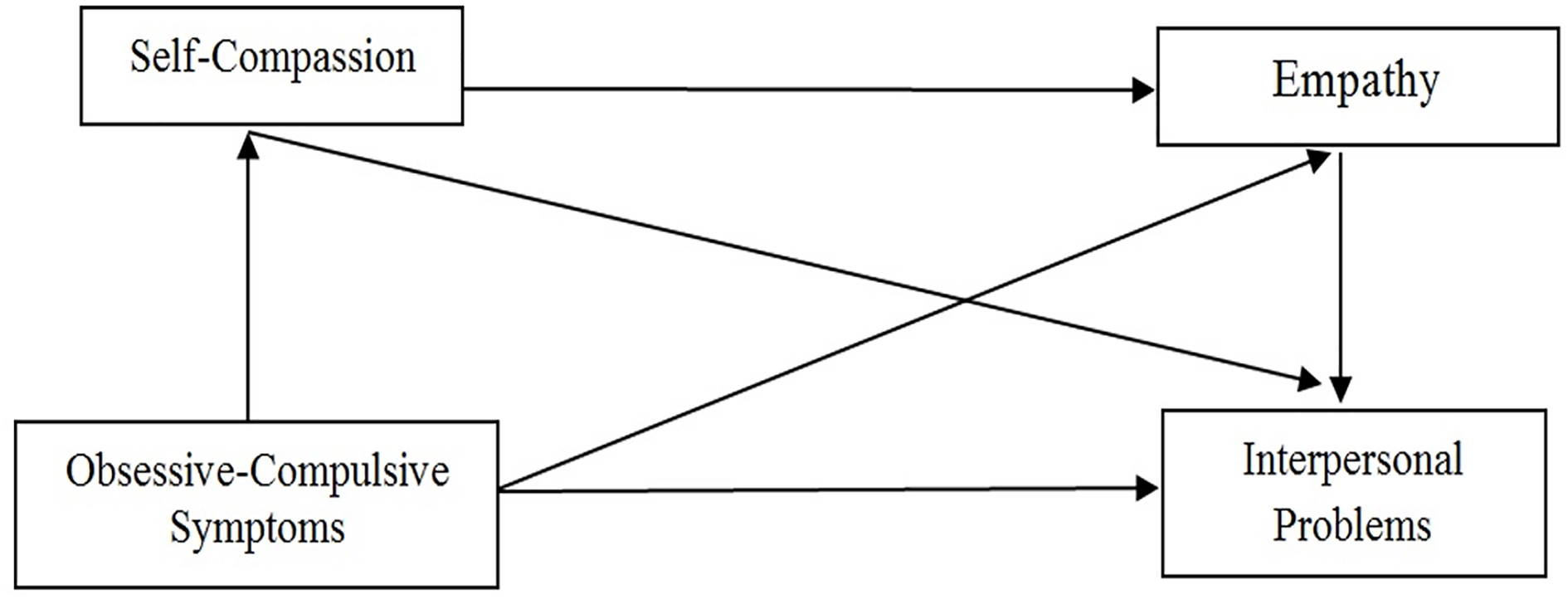
Figure 1. The figure shows the hypothesized serial mediation model.
3. Results
The study participants aged between 15 and 18 years with a mean of 16.83 and a standard deviation of 0.88. Among the 597 participants, 197 (33.1%) were in grade 10, 201 (33.7%) in grade 11, and 199 (33.2%) in grade 12. Additionally, 185 participants were studying Mathematics, 241 were studying Experimental Sciences, and 171 were studying Humanities. A majority of the participants (280, or 46.9%) were also from two-child families.
Descriptive findings are presented in Table 1. The examination of the results indicated that the research variables are normally distributed. The analysis of the correlation matrix indicated that the participants’ age did not show a significant correlation with any of the study variables. Consequently, there is no need to control for age in the research model (Table 2). The results revealed several significant correlations among the variables. Specifically, obsessive-compulsive symptoms indicated a significant negative correlation with self-compassion (r=-0.69, P<0.001) and empathy (r=-0.66, P<0.001). In contrast, obsessive-compulsive symptoms correlated positively with the interpersonal problems variable (r=0.56, P<0.001). Furthermore, self-compassion and empathy were positively correlated (r=0.65, P<0.001), while self-compassion (r=-0.59, P<0.001) and empathy (r=-0.53, P<0.001) showed negative correlations with interpersonal problems. The outputs indicated a linear correlation between the predictor variables and the criterion variable of the study.
| Variables | Mean | SD | Skewness | Kurtosis |
|---|---|---|---|---|
| Obsessive-Compulsive Symptoms | 11.55 | 11.97 | 0.97 | -0.58 |
| Self-Compassion | 56.30 | 13.42 | -0.44 | -0.75 |
| Empathy | 21.63 | 10.42 | -0.77 | -0.81 |
| Interpersonal Problems | 77.98 | 16.98 | 0.51 | -0.18 |
| SD: Standard Deviation | ||||
| Variables | 1 | 2 | 3 | 4 | 5 |
|---|---|---|---|---|---|
| 1. Age | 1 | ||||
| 2. Obsessive-Compulsive Symptoms | -0.04 | 1 | |||
| 3. Self-Compassion | 0.07 | -0.69* | 1 | ||
| 4. Empathy | 0.06 | -0.66* | 0.65* | 1 | |
| 5.Interpersonal Problems | -0.04 | 0.56* | -0.59* | -0.53* | 1 |
| * P<0.001 | |||||
Table 3 shows the regression coefficients between the study variables. The results showed that obsessive-compulsive symptoms have a negative and significant correlation with self-compassion (β=-0.69, P<0.001) and empathy (β=-0.41, P<0.001). Self-compassion was also positively and significantly related to empathy (β=0.37, P<0.001). Further examination of the results showed that self-compassion has a negative and significant correlation with interpersonal problems (β=-0.33, P<0.001), and the correlation between empathy and interpersonal problems was also negative and significant (β=-0.16, P<0.001).
| Criterion | Predictors | Beta | SE | t | P | 95% CI |
|---|---|---|---|---|---|---|
| Self-Compassion | Obsessive-Compulsive Symptoms | -0.69 | 0.03 | -23.22* | <0.001 | (-0.84, -0.71) |
| Empathy | Obsessive-Compulsive Symptoms | -0.41 | 0.03 | -10.30* | <0.001 | (-0.42, -0.29) |
| Self-compassion | 0.37 | 0.03 | 9.38* | <0.001 | (0.23, 0.35) | |
| Interpersonal Problems | Obsessive-Compulsive Symptoms | 0.22 | 0.07 | 4.61* | <0.001 | (0.18, 0.44) |
| Self-Compassion | -0.33 | 0.06 | -7.21* | <0.001 | (-0.54, -0.31) | |
| Empathy | -0.16 | 0.07 | -3.52* | <0.001 | (-0.41, -0.12) | |
| CI: Confidence Interval;*P<0.001; SE: Standard Error | ||||||
Table 4 presents the results of the direct and indirect path analysis for all the mediating variables. The findings revealed that the total correlation between obsessive-compulsive symptoms and interpersonal problems was significant (β=0.56, P<0.001). Obsessive-compulsive symptoms were also significantly and directly related to interpersonal problems (β=0.22, P<0.001). Additionally, the bootstrapping results of the indirect effect analysis showed that obsessive-compulsive symptoms have an indirect and significant association with interpersonal problems via self-compassion and empathy (β=0.34, 95% CI (0.25, 0.42]). Asking about the discriminative contribution of each of the mediators showed that interpersonal problems had an indirect and significant association with obsession only through self-compassion (β=0.23, 95% CI (.16, .31]). Moreover, the indirect correlation between interpersonal problems and obsessions through empathy was also notable (β=0.07, 95% CI (0.01, 0.12]). The serial indirect effects between obsessive-compulsive symptoms and interpersonal problems via Self-compassion and Empathy were both positive and significant (β=0.04, 95% CI (0.01, 0.08]). In summary, interpersonal problems were directly associated with obsessions, and its indirect association through each of the mediating variables of the model, self-compassion and empathy, was strong. Also, 41% of the interpersonal problems variable variance can be explained according to the research model (R2=0.41, F (3, 593)=135.05, P<0.001). Figure 2 shows an overview of the direct correlation between the study variables.
| Path | Interpersonal Problems | ||||
|---|---|---|---|---|---|
| b | B | SE | P | 95% CI | |
| Total Effect | 0.79** | 0.56** | 0.02 | <0.001 | ___ |
| Obsessive-Compulsive Symptoms→ Interpersonal Problems | 0.31** | 0.22** | 0.02 | <0.001 | ___ |
| Obsessive-Compulsive Symptoms→ Interpersonal Problems, Mediated by Self-compassion | 0.33* | 0.23* | 0.04 | ___ | (0.16, 0.31) |
| Obsessive-Compulsive Symptoms→ Interpersonal Problems, Mediated by Empathy | 0.09* | 0.07* | 0.03 | ___ | (0.01, 0.12) |
| Obsessive-Compulsive Symptoms → Interpersonal Problems, Mediated by Self-compassion and Empathy | 0.06* | 0.04* | 0.02 | ___ | (0.01, 0.08) |
| CI: Confidence Interval. *P<0.05. ** <0.001 | |||||
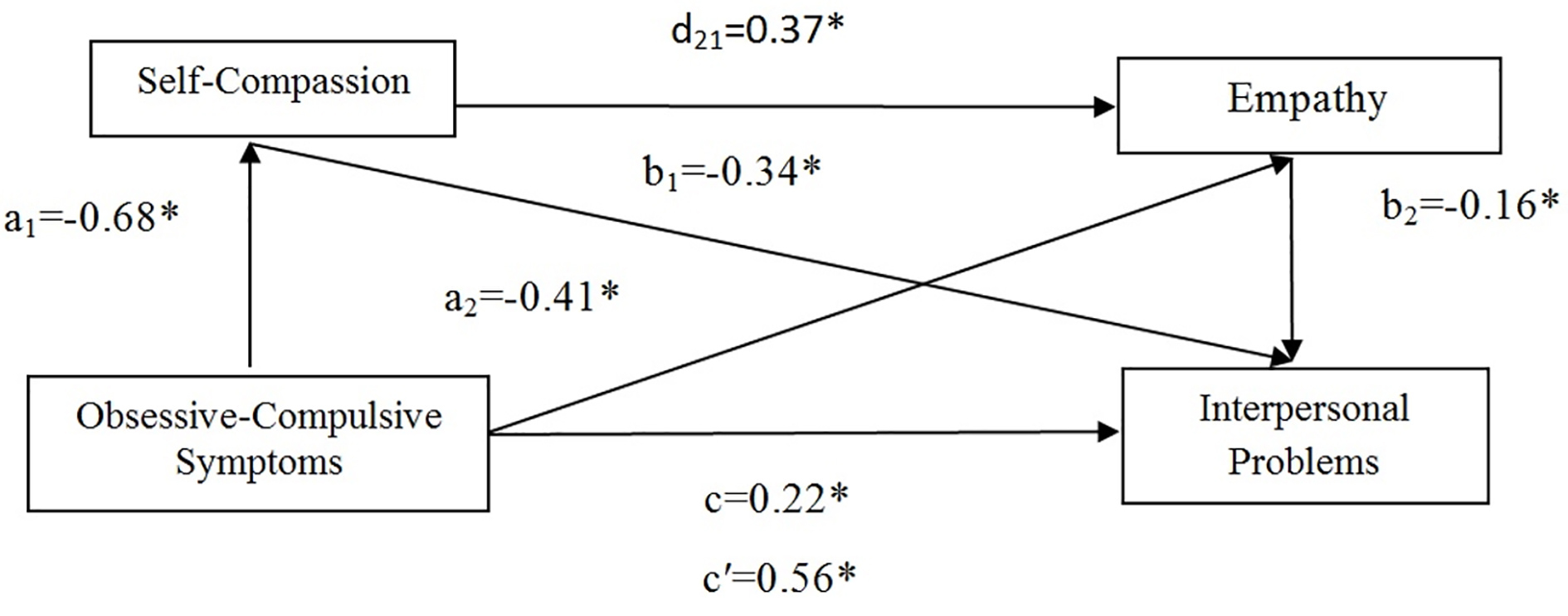
Figure 2. The figure shows the serial mediation model of self-compassion and empathy. *P<0.001.
4. Discussion
The present study sought to examine the connection between obsessive-compulsive symptoms and relational challenges in adolescents, with a focus on the mediating role of empathy and self-compassion, as well as identifying their direct and indirect correlation. The findings of the present study indicated that empathy and self-compassion significantly mediated the correlation between obsessive-compulsive symptoms and interpersonal problems. According to the primary finding of this study, there was a significant positive correlation between obsessive-compulsive symptoms and interpersonal problems. This finding was in agreement with previous studies ( 22 , 23 ) that demonstrated those with OCD often face difficulties in forming close relationships, resolving social conflicts, and experience negative impacts on the quality of their social interactions. Interpersonal problems in people diagnosed with OCD can stem from both the specific symptoms of the disorder and the situations triggered by it. For instance, fear of contamination is common, leading individuals to avoid physical touch or impose rules on others due to their contamination fears ( 33 , 8 ). Additionally, compulsive behaviors can be time-consuming, causing frustration and anger among family and friends ( 34 ), which negatively impacts relationships ( 35 ). Individuals with OCD also struggle with decision-making due to repetitive thoughts, making it difficult to collaborate or delegate tasks. They tend to avoid situations that could trigger their symptoms, which may involve others and harm relationships ( 8 ). Furthermore, these individuals often prefer to hide their symptoms rather than discuss them, which exacerbates relational problems.
Our results highlighted the mediating role of empathy in the correlation between obsessive-compulsive symptoms and interpersonal problems. To date, no previous study has directly supported this observation based on the literature search. To elucidate this outcome, individuals with OCD often exhibit difficulties in empathy skills, possibly due to reduced theory of mind functioning. There may also be biological overlaps between empathy and OCD symptoms ( 11 ), which can lead to difficulties in their social functioning, as confirmed in this study. Empathy is essential for establishing successful interpersonal relationships ( 15 ), as it reduces interpersonal problems by sharing emotional states, receiving regular feedback from relationships, and being aware of others’ feelings, thus improving social relationships ( 36 ). Individuals with rigid and inflexible thinking patterns may disrupt social information processing, causing them to misinterpret others’ emotional reactions or become overly sensitive to others’ feelings, ultimately leading to social problems and isolation.
This study further highlighted the role of self-compassion as a mediator in the association between obsessive-compulsive symptoms and interpersonal difficulties. Based on the literature search, no empirical evidence was identified to directly support this finding. Leeuwerik and colleagues ( 37 ) stated that individuals with OCD have difficulty adopting a compassionate approach toward themselves and report low levels of self-compassion, which confirmed the results of the present study. Self-compassion leads to the acceptance of vulnerable feelings, self-care, kindness, a non-judgmental attitude toward one’s flaws and failures, and the recognition of shared human experiences ( 29 ). Self-compassion helps individuals view their suffering, failure, and imperfection as inherent aspects of being human and understand that everyone, including themselves, deserves compassion. Consequently, self-compassion is associated with reduced self-judgment, which not only fosters a kinder self-attitude but also extends to less judgment of others ( 17 ). Thus, through this non-judgmental understanding of failure or mistakes, individuals can connect with the suffering of others, avoid escaping from others’ pain, become aware of it, feel kindness toward others, and desire to alleviate their suffering ( 38 ). These factors enable adolescents to function better in their interpersonal relationships and experience fewer interpersonal problems. Therefore, it is reasonable to conclude that adolescents with obsessive-compulsive symptoms are deficient in these abilities due to their reduced levels of self-compassion and, as a result, face difficulties in their interpersonal relationships.
Also, the present study revealed a notable negative correlation between obsessive-compulsive symptoms, reduced self-compassion, and reduced empathy, which ultimately leads to increased interpersonal problems. Obsessive-compulsive symptoms can result in decreased self-compassion, thereby precipitating a decline in empathic capacity and, consequently, exacerbating interpersonal issues. To account for this outcome, it is evident that individuals, characterized by intense self-criticism and persistent concern over their thoughts and behaviors, may demonstrate diminished self-kindness ( 18 ). Mentioned decline in self-compassion can adversely affect empathy towards others, given that empathic ability fundamentally depends on an individual’s capacity to recognize, accept, and process their own emotional experiences ( 39 ). As a result, a lack of cognitive and emotional empathy in individuals with obsessive-compulsive symptoms ( 11 ) may lead to increased social misunderstandings, reduced quality of interpersonal relationships, and ultimately exacerbate communication difficulties in adolescents.
4.1. Limitations
This study had limitations that should be considered. On the one hand, given its cross-sectional design, the present investigation did not permit us to make definitive inferences about the causal/directional correlation between the variables under investigation. Therefore, a longitudinal, prospective design and experimental studies are needed to demonstrate causal correlation. During data interpretation, it is also essential to acknowledge that mediating variables may be affected by unobserved predictors, which could undermine the validity of the conclusion. Therefore, future studies could employ a multifaceted approach or explore the existence of other mediating pathways with significant impacts to address this issue and enrich the literature related to various variables.
5. Conclusions
Overall, the present study provided novel theoretical and empirical insights into the association between obsessive-compulsive symptoms and interpersonal problems. The analysis revealed that low empathy and self-compassion serve as mediators in the relationship between obsessive-compulsive symptoms and interpersonal problems. Therefore, the results of this study may establish a theoretical basis and potential practical approaches for tailored interventions designed to improve the well-being of individuals with obsessive-compulsive symptom. These results may assist psychologists or other professionals in delivering psychological education or effective interventions. Furthermore, it is hoped that this study will stimulate further research and discussion on positive psychological development in adolescents.
Acknowledgement
The authors sincerely thank all the officials of the Mashhad Education Organization, Mashhad, Iran, and the high school students from Mashhad for their invaluable support in facilitating the present study.
Authors’ Contributions
Leila Hefazi Torghabeh: Contributed to the study design and data collection; drafted the work and reviewed it critically for important intellectual content. Mahmoud Najafi: Contributed to data analysis and supervision; reviewed the work critically for important intellectual content. Mojtaba Soltani: Contributed to the study design; drafted the work and reviewed it critically for important intellectual content. All authors have read and approved the final manuscript and agree to be accountable for all aspects of the work, such as the questions related to the accuracy or integrity of any part of the work.
Conflict of Interest
None declared.
Funding
None.
Ethical Approval
Researchers ensured voluntary participation by providing clear explanations of procedures. Anonymity was maintained by omitting identifying information and assigning unique codes. The Ethics Committee of Semnan University of Medical Sciences, Semnan, Iran approved the present study with the code of IR.SEMUMS.REC.1402.040. Also, written informed consent was obtained from the participants.
References
- Harris MA, Orth U. The link between self-esteem and social relationships: A meta-analysis of longitudinal studies. J Pers Soc Psychol. 2020; 119(6):1459-1477. DOI | PubMed
- Malekpour Shahraki B, Ahmadi R, Ghzanfari A. Designing a Life Skills Training Package for Children and Determining Its Effectiveness on the Social Skills of Primary School Students. Journal of Modern Psychological Researches. 2024; 18(72):257-265. DOI Persian
- McMillen K, Hilsenroth MJ. What interpersonal problems are related to different therapeutic techniques early in treatment? Clin Psychol Psychother. 2019; 26(4):502-509. DOI | PubMed
- Koppelberg P, Kersting A, Suslow T. Alexithymia and interpersonal problems in healthy young individuals. BMC psychiatry. 2023; 23(1):688. Publisher Full Text | DOI | PubMed [ PMC Free Article ]
- Nguyen CK, Nguyen MLT, Tran HT, Nguyen TAN. Development and preliminary evaluation of the interpersonal problem‐solving inventory for elementary school students. Br J Educ Psychol. 2021; 91(3):1035-1054. DOI | PubMed
- Arango A, Clark M, King CA. Predicting the severity of peer victimization and bullying perpetration among youth with interpersonal problems: A 6‐month prospective study. J Adolesc. 2022; 94(1):57-68. DOI | PubMed
- Song L, Pettis PJ, Chen Y, Goodson-Miller M. Social Cost and Health: The Downside of Social Relationships and Social Networks. J Health Soc Behav. 2021; 62(3):371-387. DOI | PubMed
- First MB, Clarke DE, Yousif L, Eng AM, Gogtay N, Appelbaum PS. DSM-5-TR: Rationale, Process, and Overview of Changes. Psychiatr Serv. 2023; 74(8):869-875. DOI | PubMed
- Stein DJ, Costa DL, Lochner C, Miguel EC, Reddy YJ, Shavitt RG, et al. Obsessive-compulsive disorder. Nat Rev Dis Primers. 2019; 5(1):52. Publisher Full Text | DOI | PubMed [ PMC Free Article ]
- Parchami Z, Najafi M, Khosravani V. The Relations of Alexithymia to Unacceptable Obsessional Thoughts and Suicidal Risk in OCD: The Roles of Experiential Avoidance, Emotional Suppression, Cognitive Reappraisal, and Depression. Journal of Rational-Emotive & Cognitive-Behavior Therapy. 2025; 43(4):1-25. DOI
- Bora E. Social cognition and empathy in adults with obsessive compulsive disorder: a meta-analysis. Psychiatry Res. 2022; 316:114752. DOI | PubMed
- Konrath S, Meier BP, Bushman BJ. Development and validation of the Single Item Trait Empathy Scale (SITES). J Res Pers. 2018; 73:111-122. Publisher Full Text | DOI | PubMed [ PMC Free Article ]
- Decety J, Holvoet C. The emergence of empathy: A developmental neuroscience perspective. Developmental Review. 2021; 62:100999. DOI
- Schoeps K, Mónaco E, Cotolí A, Montoya-Castilla I. The impact of peer attachment on prosocial behavior, emotional difficulties and conduct problems in adolescence: The mediating role of empathy. PLoS One. 2020; 15(1):e0227627. DOI | PubMed
- Wearne TA, Osborne-Crowley K, Logan JA, Wilson E, Rushby J, McDonald S. Understanding how others feel: Evaluating the relationship between empathy and various aspects of emotion recognition following severe traumatic brain injury. Neuropsychology. 2020; 34(3):288-297. DOI | PubMed
- Bream V, Challacombe F, Palmer A, Salkovskis P. Cognitive Behaviour Therapy for Obsessive-compulsive Disorder. UK: Oxford University Press; 2017.
- Neff KD. The self-compassion scale is a valid and theoretically coherent measure of self-compassion. Mindfulness. 2016; 7(1):264-274. DOI
- Key BL, Rowa K, Bieling P, McCabe R, Pawluk EJ. Mindfulness‐based cognitive therapy as an augmentation treatment for obsessive-compulsive disorder. Clin Psychol Psychother. 2017; 24(5):1109-1120. DOI | PubMed
- Crowe K, McKay D. Mindfulness, obsessive-compulsive symptoms, and executive dysfunction. Cognitive Therapy and Research. 2016; 40(5):627-644. DOI
- Didonna F, Lanfredi M, Xodo E, Ferrari C, Rossi R, Pedrini L. Mindfulness-based Cognitive Therapy for Obsessive-Compulsive Disorder: A Pilot Study. J Psychiatr Pract. 2019; 25(2):156-170. DOI | PubMed
- Landmann S, Cludius B, Tuschen-Caffier B, Moritz S, Külz AK. Mindfulness predicts insight in obsessive-compulsive disorder over and above OC symptoms: An experience-sampling study. Behav Res Ther. 2019; 121:103449. DOI | PubMed
- Yazdi-Ravandi S, Matinnia N, Shamsaei F, Ahmadpanah M, Shams J, Ghaleiha A. Experiences of Interpersonal Relationships in Patients with Obsessive-Compulsive Disorder: A Qualitative Study in Iran. Pertanika J Soc Sci & Hum. 2018; 26(3):1673-1683.
- Cain NM, Ansell EB, Simpson HB, Pinto A. Interpersonal functioning in obsessive-compulsive personality disorder. J Pers Assess. 2015; 97(1):90-9. Publisher Full Text | DOI | PubMed [ PMC Free Article ]
- Mertler CA, Vannatta RA, LaVenia KN. Advanced and multivariate statistical methods: Practical application and interpretation. New York: Routledge; 2021.
- Foa EB, Coles M, Huppert JD, Pasupuleti RV, Franklin ME, March J. Development and validation of a child version of the obsessive compulsive inventory. Behav Ther. 2010; 41(1):121-32. DOI | PubMed
- Karimi J, Homayuni Najafabadi F, Homayuni Najafabadi S, Homayuni Najafabadi A. Validation of a Persian version of the Obsessive-Compulsive Inventory-Child Version (OCI-CV). J Res Behave Sci. 2015; 13(3):388-399. Persian
- Barkham M, Hardy GE, Startup M. The IIP‐32: A short version of the Inventory of Interpersonal Problems. Br J Clin Psychol. 1996; 35(1):21-35. DOI | PubMed
- Falah Neudehi M, Rezaei F, Bozorgi Kazerooni A, Ebadi Z. Emotion Regulation Training on Irritability, Alexithymia, and Interpersonal Problems of Adolescents With Disruptive Mood Dysregulation Disorder. Journal of Research & Health. 2023; 13(6):427-436. DOI Persian
- Neff KD, Bluth K, Tóth-Király I, Davidson O, Knox MC, Williamson Z, et al. Development and Validation of the Self-Compassion Scale for Youth. J Pers Assess. 2021; 103(1):92-105. DOI | PubMed
- Nazari N, Hernández RM, Ocaña-Fernandez Y, Griffiths MD. Psychometric Validation of the Persian Self-Compassion Scale Youth Version. Mindfulness. 2022; 13(2):385-397. Publisher Full Text | DOI | PubMed [ PMC Free Article ]
- Overgaauw S, Rieffe C, Broekhof E, Crone EA, Güroğlu B. Assessing Empathy across Childhood and Adolescence: Validation of the Empathy Questionnaire for Children and Adolescents (EmQue-CA). Front Psychol. 2017; 8:870. Publisher Full Text | DOI | PubMed [ PMC Free Article ]
- Khosravi Larijani M, Mohammadpanah Ardakan A, Choobforoush-zadeh A, Dehghani Ashkezari E. Examining the Validity and Reliability of the Persian Version of the Empathy Questionnaire for Children and Adolescents. Journal of Applied Psychological Research. 2021; 11(4):263-280. DOI Persian
- Mathes BM, Kennedy, GA, Wilver NL, Carlton CN, Cougle JR. A multi-method analysis of incompleteness in behavioral treatment of contamination-based OCD. Behav Res Ther. 2019; 114:1-6. DOI | PubMed
- Ferrando C, Selai C. A systematic review and meta-analysis on the effectiveness of exposure and response prevention therapy in the treatment of obsessive-compulsive disorder. Journal of Obsessive-Compulsive and Related Disorders. 2021; 31:1-16. DOI
- Walseth LT, Haaland V, Launes G, Himle J, Håland ÅT. Obsessive-Compulsive Disorder’s Impact on Partner Relationships: A Qualitative Study. Journal of Family Psychotherapy. 2017; 28(3):205-221. DOI
- Kanske P, Böckler A, Trautwein FM, Singer T. Dissecting the social brain: Introducing the EmpaToM to reveal distinct neural networks and brain-behavior relations for empathy and Theory of Mind. Neuroimage. 2015; 122:6-19. DOI | PubMed
- Leeuwerik T, Cavanagh K, Strauss C. The association of trait mindfulness and self-compassion with obsessive-compulsive disorder symptoms: results from a large survey with treatment-seeking adults. Cognitive Therapy and Research. 2020; 44(1):120-135. DOI
- Lathren CR, Rao SS, Park J, Bluth K. Self-Compassion and Current Close Interpersonal Relationships: A Scoping Literature Review. Mindfulness. 2021; 12(5):1078-1093. Publisher Full Text | DOI | PubMed [ PMC Free Article ]
- Daltry RM, Mehr KE, Sauers L, Silbert J. Examining the Relationship between Empathy for Others and Self-Compassion in College Students. Educational Research and Reviews. 2018; 13(17):617-621. DOI


