
1. Introduction
Adolescence is widely recognized as a pivotal phase in human development, marking the final stage of cognitive growth and the transition from a phase characterized by conformity to one where individuals strive to establish their authentic identities ( 1 , 2 ). This stage is crucial for identity formation, as adolescents try to differentiate their “inner selves” from the external environment ( 3 ). Conversely, failure to achieve a robust identity can result in feelings of isolation and alienation, stemming from an inability to ascertain one’s social role. From an alternative viewpoint, an identity crisis can be understood as the inability of an adolescent to forge a distinct individual identity, often triggered by negative childhood experiences or challenging present circumstances, leading to a state of disorientation ( 4 , 5 ). During this developmental stage, the concept of responsibility emerges as a fundamental life skill, gaining heightened importance. The cultivation of responsibility among adolescents is integral to shaping their personality and fostering personal growth. It is only through an understanding of the rationale behind their choices and a willingness to accept the consequences of those choices that adolescents can aspire to alter their situations, viewpoints, and results ( 5 - 7 ). Research also identified perseverance and commitment to duty as hallmark characteristics of responsible individuals ( 3 , 5 , 6 , 8 ).
Responsibility is a developmental process that individuals must cultivate from early childhood to effectively manage the various challenges they encounter throughout different life stages ( 9 - 11 ). Instilling a sense of responsibility in children within the family context is an effective strategy for equipping them to handle the myriad of tasks and obligations they will face beyond the familial sphere, thereby providing them with essential skills for independence ( 12 , 13 ). For children transitioning into adolescence and adulthood, their success in fulfilling social responsibilities outside the home is closely linked to their opportunities for meaningful engagement, self-worth, empowerment, and social connectivity ( 14 , 15 ). Nonetheless, the emphasis on social responsibility within the family unit is often lacking, leading to a situation where adolescents may struggle with personal and social accountability ( 16 - 19 ). Consequently, implementing interventions aimed at enhancing both social and individual responsibility among adolescents is deemed essential during this developmental phase. This study; therefore, investigated the impact of an intervention conducted in physical education (PE) on the enhancement of personal and social responsibility among adolescents.
In addition, adolescence is a developmental stage marked by a quest for independence, often leading to conflicts with parents and societal norms ( 1 , 3 ). This period is characterized by various emotional and psychological challenges, including irritability, depression, anxiety, aggression, concerns about the future, a desire for peer approval, and a tendency towards daydreaming and fantasy ( 5 ). The importance of mental health has gained prominence, as it plays a crucial role in various aspects of human functioning ( 20 ). Research indicated that anxiety co-occurring with depression affects 30 to 75 percent of individuals prior to adolescence and 25 to 50 percent during the adolescent years ( 21 , 22 ). Similarly, previous findings highlighted anxiety, depression, and adjustment disorders as prevalent mental health challenges during this stage ( 23 - 25 ). Moreover, studies demonstrated that lower levels of social desirability, coupled with higher mental health, correlate with improved academic performance ( 26 - 28 ). Then, a crucial consideration is that numerous mental health disorders observed in adulthood often stem from issues originating in childhood and adolescence ( 22 , 25 ). Consequently, the emergence of psychological disorders during this time, including susceptibility to mental health issues, can significantly impair an individual’s capabilities and ultimately influence their future trajectory ( 23 , 28 ). Thus, it is essential to explore strategies aimed at enhancing the mental well-being of adolescents. This study; therefore, investigates the impact of an intervention period within physical education (PE) on the mental health of adolescents.
Educational institutions are acknowledged as pivotal settings for societal transformation, enhancing both individual and collective capabilities to enrich students’ lives. This endeavor extends beyond the mere pursuit of academic achievement; it encompasses the creation of environments that nurture the comprehensive development of students - socially, emotionally, physically, and intellectually ( 29 ). Within the framework of the school curriculum, PE serves as a vital component, offering children and adolescents the chance to cultivate essential motor, cognitive, and social skills that are integral to their growth during their school years and beyond ( 29 , 30 ). Consequently, PE is a significant element of initiatives aimed at promoting physical, mental, and social well-being among school-aged youth, contributing to the broader concept of health within educational settings and playing a crucial role in the attainment of global sustainable development goals related to health and education. Therefore, the environment of PE, along with interventional techniques, can serve as a means to enhance the physical, mental, and social well-being of children and adolescents. Nevertheless, the effects of PE programs on the social and mental well-being of children and adolescents remain unknown. Consequently, the primary objective of this study was to explore how a PE program influences personal and social responsibility, as well as mental health, among adolescents.
2. Methods
2.1. Design
This study used a quasi-experimental framework that included both pretest and posttest measures, as well as a control group.
2.2. Selection and Description of Participants
The study focused on a statistical population of male high school students aged 15 to 18 years from Golestan Province, Iran, in 2024. To meet the objectives of the study, a sample was drawn from this population based on specific inclusion and exclusion criteria. A total of forty participants were selected through convenience sampling and randomly assigned to either the experimental or control groups, with each group comprising twenty participants, determined by using a random number table (Figure 1). This method ensured that each participant had an equal opportunity for group assignment, thereby minimizing potential biases and confounding factors.
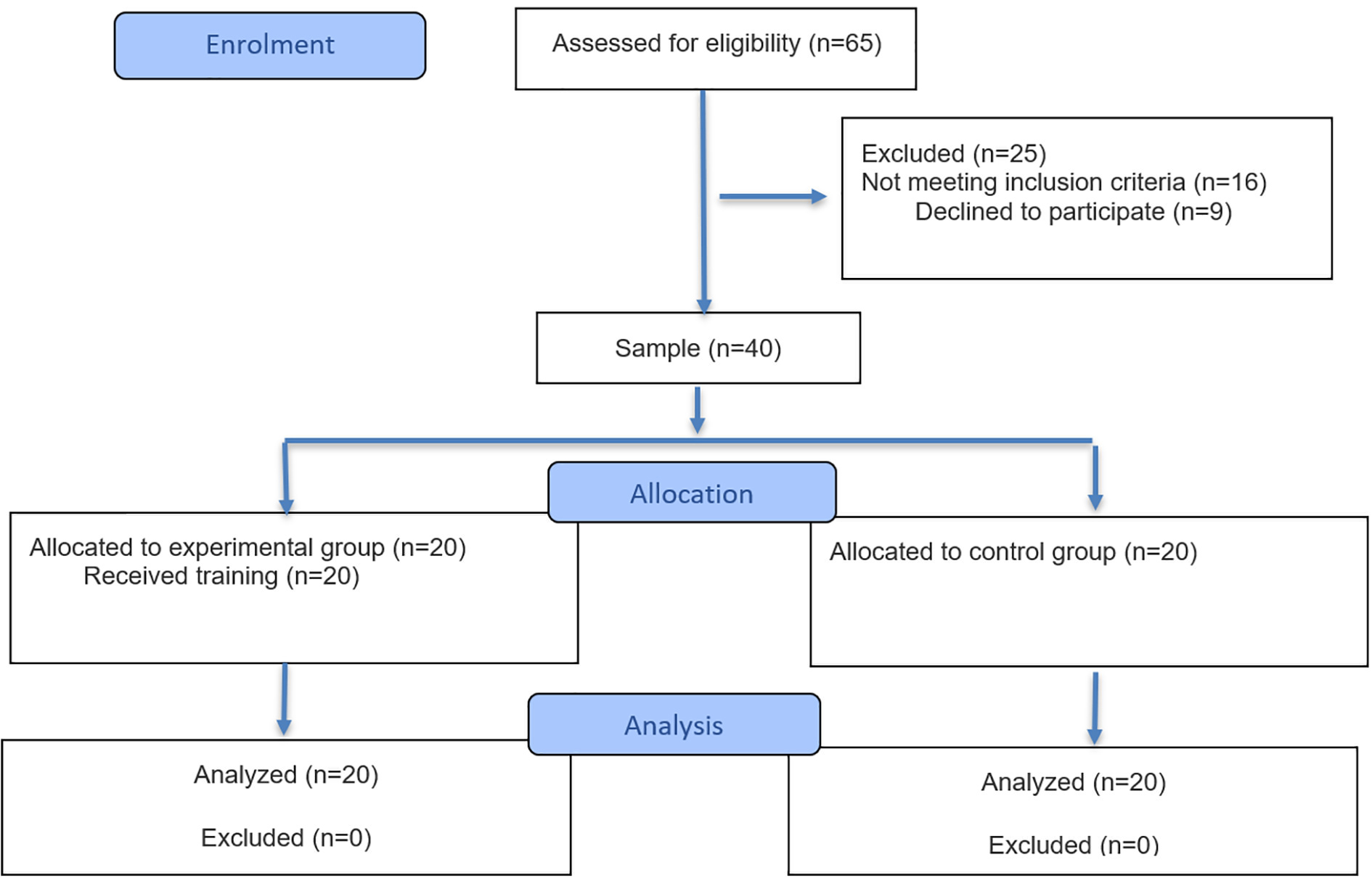
Figure 1. The figure shows the CONSORT flow diagram of the study.
2.3. Sample Size Determniation
The sample size was calculated using G*Power software, with a significance level of 0.05 and a power of 0.80, specifically for the mental health variable of depression. In the intervention group, the mean depression scores were recorded at pretest and posttest as 10.2±3.9 and 6.5±4.6, respectively; however, the control group showed mean scores of 10.1±4.1 and 9.4±4.5. The inclusion criteria for participation were: being a male high school student, the absence of physical or psychological disorders, no use of specific medications, and no recent physical or psychological injuries. The participants who did not comply with the training protocol or chose to withdraw during the study were excluded from the study.
2.4. Data Collection and Measurements
2.4.1. Personal and Social Responsibilities: The Personal and Social Responsibility Questionnaire (PSRQ) was employed to evaluate students’ views on personal and social responsibility ( 31 ). This instrument comprises fourteen items categorized into two distinct dimensions. The first dimension pertains to personal responsibility, covering items 8 through 14, while the second dimension addresses social responsibility, including items 1 to 7. Responses to each item were measured on a 7-point Likert-type scale, with options ranging from 1 (strongly disagree) to 7 (strongly agree). Elevated scores indicate a greater sense of responsibility. In the present study, the PSRQ exhibited a Cronbach’s alpha of 0.94, and its validity was confirmed by eight experts, yielding a Content Validity Index (CVI) of 0.88 and a Content Validity Ratio (CVR) of 0.90.
2.4.2. Mental Health: The Depression, Anxiety, Stress Scale (DASS-21) was used to assess the mental health status of the participants ( 32 ). This abbreviated version of the original DASS is specifically crafted to evaluate various psychological dimensions. It focuses on three primary components of mental health: depression, assessed through eight items; anxiety, measured with seven items; and stress, evaluated via six items. The participants respond using a 4-point Likert scale, where a score of zero denotes “not applicable to me at all,” while a score of three indicates “entirely applicable to me.” In the present study, DASS-21 demonstrated a Cronbach’s alpha of 0.92, while its validity was affirmed by eight experts, resulting in a CVI of 0.90 and a CVR of 0.92.
2.5. Procedure
In collaboration with the school administration, forty participants were initially selected through a convenience sampling method and randomly assigned to either the experimental or control groups, with each group consisting of 20 participants, determined by a random number table. Before the research protocol began, an introductory meeting was held for both students and their parents, during which written consent was obtained from the parents. On the same day, participants completed the research questionnaires as a pretest. The experimental group then participated in a physical education intervention that lasted for three months (12 weeks), which will be elaborated upon in the subsequent section, while the control group continued with standard physical education activities. At the end of the intervention, all participants filled out the questionnaires again as a posttest. The present study adhered strictly to ethical standards.
2.6. Intervention
A PE session plan and intervention was implemented biweekly during PE, each lasting 50 minutes over a period of three months (12 weeks). The sessions were structured into four distinct phases: a 5-minute warm-up, a 20-minute physical activity intervention, a 20-minute segment focused on exercises derived from the Teaching Personal and Social Responsibility (TPSR) model ( 9 , 14 ), and a 5-minute cool-down. The warm-up phase incorporated aerobic recreational activities. The physical activity intervention consisted of exercises designed to enhance various components of physical fitness. The framework and strategies of the TPSR model were used to facilitate students’ learning and practice of behaviors and attitudes conducive to becoming responsible individuals. This responsibility was delineated as a progressive journey through five levels, allowing students to advance while retaining the option to revert to earlier levels as needed. The cool-down phase included flexibility exercises and walking activities.
2.7. Data Analysis
Data analysis was performed using SPSS version 27. Descriptive statistics, such as mean and standard deviation, were applied to summarize the data. An independent t-test was carried out to compare the baseline data (pretest) across the groups. Furthermore, a paired t-test was implemented to assess the impact of the intervention on personal and social responsibilities as well as mental health. A significance level of P< 0.05 was considered to be statistically significant.
3. Results
The demographic assessment indicated that the mean age of the experimental and control groups was 16.20±0.42 years and 16.23±0.50 years, respectively, showing no statistically significant differences (P=0.689). Additionally, the experimental group had an average body mass index (BMI) of 22.45±1.50, compared with the control group’s average BMI of 22.63±1.93, with no significant differences observed (P=0.239).
Table 1 illustrates the scores for personal and social responsibility obtained before and after the intervention for both the experimental and control groups. In terms of personal responsibility, the pretest results indicated no significant difference between the two groups, with scores of 31.97±7.01 for the experimental group and 31.90±4.45 for the control group (t=0.034, P=0.973). Following the intervention, the experimental group demonstrated a significant improvement in personal responsibility scores (43.01±3.52 vs. 31.67±4.76 for the intervention and control groups, respectively).
| Variables | Phase | Group | Inter-group Comparisons | |
|---|---|---|---|---|
| Experimental | Control | |||
| M±SD | M±SD | |||
| Personal Responsibility | Pretest | 31.97±7.01 | 31.90±4.45 | t=0.034 |
| P=0.973 | ||||
| Posttest | 43.01±3.52 | 31.67±4.76 | t=8.561 | |
| P<0.001 | ||||
| Intra-group Comparisons | t=-7.266 | t=0.719 | ||
| P<0.001 | P=0.481 | |||
| Social Responsibility | Pretest | 31.54±5.68 | 31.75±6.37 | t=-0.114 |
| P=0.910 | ||||
| Posttest | 40.82±3.84 | 33.17±6.35 | t=4.606 | |
| P<0.001 | ||||
| Intra-group Comparisons | t=-8.518 | t=-1.901 | ||
| P<0.001 | P=0.073 | |||
| SD: Standard Deviation | ||||
The analysis of social responsibility revealed no significant differences between the groups at the pretest stage, with the experimental group scoring 31.54±5.68 and the control group scoring 31.75±6.37 (t=-0.114, P=0.910). However, following the intervention, the experimental group demonstrated a significant improvement in their social responsibility scores, achieving 40.82±3.84 compared with the control group 33.17±6.35 (t=4.606, P<0.001).
Table 2 presents the scores for depression, anxiety, and stress recorded before and after the intervention for both the experimental and control groups. In terms of depression, the results showed no significant difference between the groups at the pretest, with the experimental group scoring 14.60±1.35 and the control group scoring 14.95±0.75 (t=-1.009, P=0.319), indicating that participants generally experienced moderate depression levels. However, following the intervention, the experimental group demonstrated a significant decrease in depression scores during the post-assessment, achieving scores of 11.55±1.84 compared with 15.15±0.48 for the control group (t=-8.418, P<0.001).
| Variables | Phase | Group | Inter-group Comparisons | |
|---|---|---|---|---|
| Experimental | Control | |||
| M±SD | M±SD | |||
| Depression | Pretest | 14.60±1.35 | 14.95±0.75 | t=-1.009 |
| P=0.319 | ||||
| Posttest | 11.55±1.84 | 15.15±0.48 | t=-8.418 | |
| P<0.001 | ||||
| Intra-group Comparisons | t=8.021 | t=-1.453 | ||
| P<0.001 | P=0.163 | |||
| Anxiety | Pretest | 11.35±3.03 | 11.45±2.62 | t=-0.112 |
| P=0.912 | ||||
| Posttest | 9.40±2.79 | 11.55±2.43 | t=-2.591 | |
| P=0.014 | ||||
| Intra-group Comparisons | t=5.748 | t=-0.698 | ||
| P<0.001 | P=0.494 | |||
| Stress | Pretest | 11.35±3.03 | 11.45±2.62 | t=-0.112 |
| P=0.912 | ||||
| Posttest | 9.40±2.79 | 11.55±2.43 | t=-2.591 | |
| P=0.014 | ||||
| Intra-group Comparisons | t=5.748 | t=-0.698 | ||
| P<0.001 | P=0.494 | |||
| SD: Standard Deviation | ||||
The analysis of anxiety levels revealed no significant differences between the groups at the pretest stage, with the experimental group scoring 11.35±3.03 and the control group scoring 11.45±2.62 (t=-0.112, P=0.912), indicating that both groups experienced moderate anxiety. However, following the intervention, there was a significant decrease in anxiety scores for the experimental group, which recorded a score of 9.40±2.79, while the control group had a score of 11.55±2.43 (t=-2.591, P=0.014).
The analysis of stress levels revealed no statistically significant difference between the groups at the pretest stage, with the experimental group scoring 21.10±3.65 and the control group scoring 22.20±3.70 (t=-0.945, P=0.351), indicating that both groups experienced moderate anxiety. However, following the intervention, the experimental group demonstrated a significant decrease in stress levels during the post-intervention evaluation, achieving scores of 17.85±4.45, while the control group maintained a score of 22.35±3.81 (t=-3.433, P=0.001).
4. Discussion
The aim of this study was to investigate the impact of a PE program on personal and social responsibility and mental health among adolescents. Regarding personal and social responsibilities, the results of this study showed that exposure to a PE intervention resulted in an enhancement in both personal and social responsibilities among adolescents. The findings presented here diverge from earlier research concerning the Teaching Personal and Social Responsibility (TPSR) model ( 9 , 14 , 33 , 34 ). Specifically, Maric and colleagues ( 14 ) indicated that participants in a TPSR-oriented program acquired skills related to assisting others, leadership, goal-setting, self-direction, respect, and compassion. To interpret these findings, it can be stated that, as mentioned previously, a part of the intervention applied in this study was based on the TPSR model. The fundamental principle of the TPSR model posits that for students to effectively navigate their social environments, they must exhibit both personal and social responsibility within physical activity contexts ( 16 , 18 ). This involves acquiring strategies that facilitate appropriate behavior and the cultivation of essential life skills. The model conceptualizes responsibility as a moral obligation towards oneself and others, thereby fostering values such as effort and autonomy that are integral to personal accountability. Additionally, TPSR emphasizes the importance of respecting the emotions and rights of others, alongside fostering empathy and social awareness, which are crucial components of social responsibility. Instruction within the TPSR framework is structured around specific objectives or levels that students progressively attain, with the skills acquired being applicable beyond the confines of PE ( 9 , 14 , 33 , 34 ). Consequently, the positive outcomes associated with the TPSR program can be linked to its inherent characteristics, as it promotes personal and social responsibilities through various mechanisms, including group and individual reflections, as well as the incorporation of responsibility-related content into activities.
In addition, the findings of this study indicated that participation in a PE intervention led to a reduction in levels of depression, anxiety, and stress among adolescents, thereby suggesting an enhancement in their mental health as a result of the intervention. These results contrasted with the findings of the previous studies ( 35 - 38 ). To interpret these findings, it can be stated that, as mentioned previously, a part of the intervention applied in this study was based on the physical activity exercise. Engaging in physical activity is essential for sustaining overall health. It significantly diminishes the risk of chronic diseases, thereby enhancing quality of life and promoting enthusiasm for daily tasks while mitigating depressive symptoms. Additionally, physical activity stimulates the release of serotonin, a neurotransmitter crucial for mood regulation. Insufficient serotonin levels are associated with depression and anxiety, leading to the common prescription of antidepressants to elevate these levels ( 35 , 37 , 38 ). As a result, individuals in the experimental group who participate in consistent physical activity are less prone to experiencing depression, anxiety, and stress. Furthermore, such exercises facilitate the production of endorphins, epinephrine, and cytokines, which collectively improve alertness, mood, energy, and overall vitality, allowing individuals to perform daily activities more efficiently ( 39 , 40 ). The physiological advantages of physical activity also contribute to an enhanced sense of inner fulfillment, promoting feelings of achievement and boosting self-esteem, which in turn alleviates symptoms of depression, anxiety, and stress. Individuals struggling with mental health issues often exhibit low self-confidence and self-esteem ( 35 , 37 , 39 ). Therefore, participation in a PE program that emphasizes regular physical activity was showed to improve the mental health of adolescents more effectively than traditional PE approaches.
4.1. Limitations
This study had some limitations and strengths. One notable limitation was the exclusive focus on male participants, which restricts the generalizability of the findings. Future studies should incorporate both male and female subjects to extend the applicability of the results to adolescent girls as well. Additionally, the study did not examine the socio-economic factors of the students’ families. Given that socio-economic status can significantly influence the social and psychological well-being of adolescents, subsequent studies should take these factors into account. Lastly, the absence of a follow-up assessment may prevent the evaluation of the long-term effects of yoga on the variables measured. On the positive side, this study used a combination of physical activity exercises and responsibility within PE, a methodology that has been infrequently employed in previous studies.
5. Conclusions
Our findings indicated that a combination of physical activity and responsibility training within PE enhances certain positive developmental values among adolescents. The most significant finding was that the adolescent groups showed substantial improvements across all measured outcomes. The results presented here demonstrated the effectiveness of a physical activity and responsibility-based PE in promoting positive social and mental outcomes. This implementation facilitates systematic advancement concerning value education objectives, creating a series of daily programs and group sessions that enable adolescents to assess personal growth, limitations, self-reflection, and mental health. Although the results appear to be more pronounced in male adolescent groups, we consider this intervention a suitable means for preventing psychological disorders and fostering social skills.
Acknowledgement
We extend our gratitude to all the students and parents who helped us in this study.
Authors’ Contribution
Kazem Fallah: Substantial contributions to the conception and design of the work, acquisition, analysis, and interpretation of data for the work; drafting the work and reviewing the work critically for important intellectual content. Sheyda Ranjbari: Substantial contributions to the conception and design of the work, acquisition, analysis, and interpretation of data for the work; drafting the work and reviewing the work critically for important intellectual content. Sholeh Khodadad Kashi: Contribution to the design of the work; drafting the work and reviewing it critically for important intellectual content. Abdollah HemayatTalab: Contribution to the design of the work; drafting the work and reviewing it critically for important intellectual content. Saeed Ghorbani: Acquisition, analysis, and interpretation of data for the work; reviewing the work critically for important intellectual content. All authors have read and approved the final manuscript and agree to be accountable for all aspects of the work, such as the questions related to the accuracy or integrity of any part of the work.
Conflict of Interest
None declared.
Funding
None.
Ethical Approval
The Ethics Review Board of Islamic Azad University of Aliabad Katoul, Golestan Province, Iran approved the present study with the code of IR.IAU.AK.REC.1398.001. Also, written informed consent was obtained from the parents of the children participated in the study.
References
- Sawyer SM, Azzopardi PS, Wickremarathne D, Patton GC. The age of adolescence. Lancet Child Adolesc Health. 2018; 2(3):223-228. DOI | PubMed
- Best O, Ban S. Adolescence: physical changes and neurological development. Br J Nurs. 2021; 30(5):272-275. DOI | PubMed
- Alderman EM, Breuner CC. COMMITTEE ON ADOLESCENCE. Unique Needs of the Adolescent. Pediatrics. 2019; 144(6):e20193150. DOI | PubMed
- Jaworska N, MacQueen G. Adolescence as a unique developmental period. J Psychiatry Neurosci. 2015; 40(5):291-3. Publisher Full Text | DOI | PubMed [ PMC Free Article ]
- Bray KO, Durbin O, Hartanto S, Khetan M, Liontos D, Manuele SJ, et al. Puberty and NeuroDevelopment in adolescents (PANDA): a study protocol. BMC Pediatr. 2024; 24(1):768. Publisher Full Text | DOI | PubMed [ PMC Free Article ]
- Dahl RE, Allen NB, Wilbrecht L, Suleiman AB. Importance of investing in adolescence from a developmental science perspective. Nature. 2018; 554(7693):441-450. DOI | PubMed
- Reavley N, Patton GC, Sawyer SM, Kennedy E, Azzopardi P. Health and Disease in Adolescence. In Bundy DAP, Silva ND, Horton S, Jamison DT, Patton GC, editors. Child and Adolescent Health and Development. 3rd ed. Washington (DC): The International Bank for Reconstruction and Development / The World Bank; 2017. PubMed
- Patton GC, Olsson CA, Skirbekk V, Saffery R, Wlodek ME, Azzopardi PS, et al. Adolescence and the next generation. Nature. 2018; 554(7693):458-466. DOI | PubMed
- García-García J, Manzano-Sánchez D, Belando-Pedreño N, Valero-Valenzuela A. Personal and Social Responsibility Programme Effects, Prosocial Behaviours, and Physical Activity Levels in Adolescents and Their Families. Int J Environ Res Public Health. 2020; 17(9):3184. Publisher Full Text | DOI | PubMed [ PMC Free Article ]
- Bukchin-Peles S, Ronen T. The Role of Adolescents’ Personal and Social Resources in Achieving Desired Emotional and Behavioral Outcomes during an Anxiety-Provoking Pandemic Outbreak. Int J Environ Res Public Health. 2021; 18(12):6280. Publisher Full Text | DOI | PubMed [ PMC Free Article ]
- Wray-Lake L, Syvertsen AK, Flanagan CA. Developmental change in social responsibility during adolescence: An ecological perspective. Dev Psychol. 2016; 52(1):130-42. Publisher Full Text | DOI | PubMed [ PMC Free Article ]
- Viksveen P, Cardenas NE, Berg SH, Salamonsen A, Game JR, Bjønness S. Adolescents’ involvement in mental health treatment and service design: a systematic review. BMC Health Serv Res. 2024; 24(1):1502. Publisher Full Text | DOI | PubMed [ PMC Free Article ]
- Mergler A, Shield P. Development of the Personal Responsibility Scale for adolescents. J Adolesc. 2016; 51:50-7. DOI | PubMed
- Maric S, Cotton W, Peralta L, Dudley D. Australian Implementation of the Teaching Personal and Social Responsibility Pedagogical Model in Physical Education: Protocol for a Nonrandomized Controlled Trial. JMIR Res Protoc. 2025; 14:e67924. DOI | PubMed
- Mastorci F, Lazzeri MFL, Vassalle C, Pingitore A. The Transition from Childhood to Adolescence: Between Health and Vulnerability. Children (Basel). 2024; 11(8):989. Publisher Full Text | DOI | PubMed [ PMC Free Article ]
- Muñoz-Llerena A, Hernández-Hernández E, García-de-Alcaraz A, Caballero-Blanco P. Personal and Social Responsibility Development in a Volleyball Hybrid Positive Youth Development Program: A Mixed Methods Approach. Front Psychol. 2021; 12:675532. Publisher Full Text | DOI | PubMed [ PMC Free Article ]
- Peplak J, Klemfuss JZ, Yates TM. Promoting Adolescents’ Social Responsibility through Parent-Adolescent Conversations about the COVID-19 Pandemic. J Adolesc Health. 2023; 73(5):830-837. Publisher Full Text | DOI | PubMed [ PMC Free Article ]
- Carbonero MA, Martín-Antón LJ, Otero L, Monsalvo E. Program to Promote Personal and Social Responsibility in the Secondary Classroom. Front Psychol. 2017; 8:809. Publisher Full Text | DOI | PubMed [ PMC Free Article ]
- Amini Z, Heidary BS. What Components of Adolescents’ Responsibility are Effective in Preventing Addiction? Adv Biomed Res. 2020; 9:2. Publisher Full Text | DOI | PubMed [ PMC Free Article ]
- Fusar-Poli P, Salazar de Pablo G, De Micheli A, Nieman DH, Correll CU, Kessing LV, et al. What is good mental health? A scoping review. Eur Neuropsychopharmacol. 2020; 31:33-46. DOI | PubMed
- Melton TH, Croarkin PE, Strawn JR, McClintock SM. Comorbid Anxiety and Depressive Symptoms in Children and Adolescents: A Systematic Review and Analysis. J Psychiatr Pract. 2016; 22(2):84-98. Publisher Full Text | DOI | PubMed [ PMC Free Article ]
- Lu B, Lin L, Su X. Global burden of depression or depressive symptoms in children and adolescents: A systematic review and meta-analysis. J Affect Disord. 2024; 354:553-562. DOI | PubMed
- Alaie I, Ssegonja R, Philipson A, von Knorring AL, Möller M, von Knorring L, et al. Adolescent depression, early psychiatric comorbidities, and adulthood welfare burden: a 25-year longitudinal cohort study. Soc Psychiatry Psychiatr Epidemiol. 2021; 56(11):1993-2004. Publisher Full Text | DOI | PubMed [ PMC Free Article ]
- Philippot A, Dubois V, Lambrechts K, Grogna D, Robert A, Jonckheer U, et al. Impact of physical exercise on depression and anxiety in adolescent inpatients: A randomized controlled trial. J Affect Disord. 2022; 301:145-153. DOI | PubMed
- Wang F, Yang H, Li F, Zheng Y, Xu H, Wang R, et al. Prevalence and comorbidity of anxiety disorder in school-attending children and adolescents aged 6-16 years in China. BMJ Paediatr Open. 2024; 8(1):e001967. Publisher Full Text | DOI | PubMed [ PMC Free Article ]
- Chu T, Liu X, Takayanagi S, Matsushita T, Kishimoto H. Association between mental health and academic performance among university undergraduates: The interacting role of lifestyle behaviors. Int J Methods Psychiatr Res. 2023; 32(1):e1938. Publisher Full Text | DOI | PubMed [ PMC Free Article ]
- Agnafors S, Barmark M, Sydsjö G. Mental health and academic performance: a study on selection and causation effects from childhood to early adulthood. Soc Psychiatry Psychiatr Epidemiol. 2021; 56(5):857-866. Publisher Full Text | DOI | PubMed [ PMC Free Article ]
- Kilgore J, Collins AC, Miller JAM, Winer ES. Does grit protect against the adverse effects of depression on academic achievement? PLoS One. 2023; 18(7):e0288270. Publisher Full Text | DOI | PubMed [ PMC Free Article ]
- Khajeaflaton Mofrad S. Impact of a Novelty-based Intervention in Physical Education on Motivation and Physical Activity of Children with ADHD. Phys Act Child. 2024; 1(1):e198541. DOI
- Gholami A. The Integration of Spiritual Curriculum into Primary School Physical Education in Relation to Transformational Teaching Approaches. Phys Act Child. 2024; 1(1):e416547. DOI
- Manzano-Sánchez D, Gómez-López M. Personal and Social Responsibility Model: Differences According to Educational Stage in Motivation, Basic Psychological Needs, Satisfaction, and Responsibility. Children (Basel). 2023; 10(5):864. Publisher Full Text | DOI | PubMed [ PMC Free Article ]
- Al-Dassean KA, Murad OS. Factor structure and psychometric properties of the Jordanian version of the depression anxiety stress scale (DASS-21). Neuropsychopharmacol Rep. 2024; 44(2):447-456. Publisher Full Text | DOI | PubMed [ PMC Free Article ]
- Bean CN, Kendellen K, Halsall T, Forneris T. Putting program evaluation into practice: enhancing the Girls Just Wanna Have Fun program. Eval Program Plann. 2015; 49:31-40. DOI | PubMed
- Martins P, Gonzalez AJ, de Lima MP, Faleiro J, Preto L. Positive Development Based on the Teaching of Personal and Social Responsibility: An Intervention Program with Institutionalized Youngsters. Front Psychol. 2022; 13:792224. Publisher Full Text | DOI | PubMed [ PMC Free Article ]
- Baniasadi T, Ranjbari S, Khajeaflatoon Mofrad S, Ghorbani S. Exploring the Associations Between Physical Activity and Happiness in Children with Autism: The Mediating Role of Mental Health. Int J School Health. 2023; 10(4):181-188. DOI
- Mahindru A, Patil P, Agrawal V. Role of Physical Activity on Mental Health and Well-Being: A Review. Cureus. 2023; 15(1):e33475. Publisher Full Text | DOI | PubMed [ PMC Free Article ]
- White RL, Vella S, Biddle S, Sutcliffe J, Guagliano JM, Uddin R, et al. Physical activity and mental health: a systematic review and best-evidence synthesis of mediation and moderation studies. Int J Behav Nutr Phys Act. 2024; 21(1):134. Publisher Full Text | DOI | PubMed [ PMC Free Article ]
- Schuch FB, Vancampfort D. Physical activity, exercise, and mental disorders: it is time to move on. Trends Psychiatry Psychother. 2021; 43(3):177-184. Publisher Full Text | DOI | PubMed [ PMC Free Article ]
- Adebanjo E. Effects of a Pilates Training Intervention on Mental Health, Adiposity and Self-Perceived Body-Image of Obese Children. Phys Act Child. 2024; 1(2):5-11. DOI
- Abdoshahi M. Effects of an Intervention Based on Cognitive-Behavioral Therapy on Emotional Well-being of Athletic Adolescents with Injuries. Phys Act Child. 2024; 1(2):61-68. DOI

