
1. Introduction
Adolescence, a period marked by rapid physical, cognitive, and emotional maturation, represents a heightened vulnerability for the onset of mental health challenges ( 1 ). Although both male and female adolescents undergo these developmental transitions, empirical evidence consistently underscores a disproportionate risk for the development of mental health problems, such as depression, anxiety, and suicidal ideation, among adolescent girls ( 2 ). These disparities are often attributed to a complex interplay of biological, psychological, and social factors, including gender roles, societal expectations, and exposure to violence and discrimination ( 3 , 4 ). Given the heightened vulnerability of adolescent girls to mental health challenges and limited research on the specific factors contributing to suicidal ideation in this population, this study focused on female students.
Suicide is a significant public health crisis characterized by the intentional taking of one’s own life, with devastating consequences for individuals, families, and communities. Suicidal ideation, defined as thoughts of self-harm or death, is a critical precursor to completed suicide and a crucial indicator of mental health within a community ( 5 ). A range of factors contribute to suicidal behavior, including mental health conditions, adverse life events, and social isolation. Depression, in particular, is a well-established risk factor for suicide ( 6 ). The act of suicide not only inflicts psychological trauma on survivors but also carries substantial economic costs ( 7 ). Loneliness and rumination have been identified as critical factors contributing to suicidal ideation in adolescents.
Loneliness and rumination are interconnected psychological constructs that contribute to a range of negative mental health outcomes. Loneliness is characterized by a subjective perception of social isolation, often accompanied by feelings of sadness, anger, and depression ( 8 ). It arises from a discrepancy between desired and actual social connections, leading to avoidance behaviors and a sense of emotional detachment ( 9 , 10 ). Rumination, on the other hand, involves repetitive and negative thought patterns about oneself and one’s circumstances ( 11 ). This cognitive process can intensify feelings of loneliness, leading to a downward spiral of negative emotions and behaviors ( 12 ). Research by Holdaway and colleagues ( 13 ) suggested that rumination creates mechanisms that contribute to risk factors for depression and suicidal ideation.
Perceived parenting styles, reflecting the emotional dynamics and overall nature of parent-child interactions, exert a profound influence on adolescent development and learning ( 14 ). Baumrind’s categorization identifies three primary parenting styles: authoritarian, authoritative, and permissive ( 15 ). Authoritarian parenting, characterized by high control and low warmth, can create a climate of fear and resentment, potentially increasing the risk of adolescent mental health problems. In contrast, authoritative parenting, balancing control with warmth and responsiveness, fosters independence, self-esteem, and resilience. Permissive parenting, marked by low control and high warmth, may lead to difficulties in self-regulation and boundary setting, increasing vulnerability to negative influences ( 16 ). Emerging evidence underscores the significant role of parenting styles in shaping suicide ideation in adolescents, suggesting that authoritative parenting may buffer against risk factors for suicidal behavior while authoritarian and permissive styles may increase vulnerability ( 17 , 18 ).
Adolescence is a developmental period marked by heightened vulnerability to mental health challenges, with suicidal ideation emerging as a critical public health concern. Previous research implicated loneliness and rumination as significant risk factors for suicidal thoughts and behaviors among adolescents ( 19 , 20 ). While these associations have been explored in broader adolescent populations, the specific interplay of these factors in female students remains understudied. It is important to note that while there is a growing body of research on adolescent mental health, epidemiological data on the prevalence of loneliness, rumination, and suicidal ideation in Iran is limited. This study contributed to filling this gap by providing valuable data on these issues among female students in Ahvaz, Iran. Furthermore, although parenting styles are recognized as influential determinants of adolescent mental health, the potential mediating role of perceived parenting styles in the correlations between loneliness, rumination, and suicidal ideation among female students has not been fully elucidated. This study aimed to address these knowledge gaps by investigating the correlation between loneliness and rumination with suicidal ideation in female students and examining the mediating role of perceived parenting styles. The findings of this study are expected to contribute to a deeper understanding of the factors contributing to suicidal ideation in female adolescents, ultimately informing the development of targeted prevention and intervention strategies.
2. Methods
2.1. Design
This study employed a cross-sectional design using a descriptive-correlational approach with structural equation modeling (SEM).
2.2. Participants
The target population comprised all female students enrolled in middle school in Ahvaz, Iran during the 2022-2023 academic year. A multistage cluster sampling approach was employed to recruit a total of 212 participants. The study used a multi-stage random sampling procedure to ensure a representative sample of female middle school students in Ahvaz, Iran. One of the four educational districts in Ahvaz, Iran was randomly selected using a lottery method. Within the selected district, three female middle schools were randomly selected using a similar lottery method. This step further increased the diversity of the sample by including students from different schools within the chosen district. From each of the selected schools, three classes were randomly chosen using another lottery method. Once the classes were selected, research questionnaires were distributed to all female students enrolled in those classes. Participation was voluntary, and students who agreed to participate completed the questionnaire anonymously. The sample size for this study was determined based on the certain objectives, number of variables, and effect size estimates from previous literature ( 21 ). To account for potential attrition, incomplete questionnaires, and outliers, a slightly larger sample was selected than strictly required for the analysis of the 15 observable variables. The inclusion criteria were: age between 13 and 15 years, absence of personality disorders or psychoses, absence of neurological or physical health conditions, and informed consent from both students and their parents. The exclusion criteria involved participants who did not take part or provided incomplete responses on the questionnaires.
2.3. Procedure
Prior to commencing the study, ethical approval was obtained from the university’s Ethics Committee, and permission was sought from the relevant education and training authorities. A multistage cluster sampling method was used to select a sample of 212 female middle school students in Ahvaz, Iran, ensuring a representative sample of the target population. Participants were provided with a brief explanation of the purpose of the study and its potential benefits, and were given clear instructions on how to complete self-report questionnaires. Before participating, students and their parents were required to sign an informed consent form. The self-report questionnaires were administered to the selected participants in a group setting or individually, and were anonymously completed to ensure participant confidentiality. After data collection, the questionnaires were coded and entered into a statistical software program.
2.4. Instruments
2.4.1. The Suicidal Ideation Scale (SIS): SIS was developed by Beck and co-workers ( 22 ) and is a 19-item self-report measure designed to assess the severity of suicidal ideation and plans. The scale assesses items such as wishes to die, active and passive suicidal thoughts, duration and frequency of suicidal thoughts, perceived control, suicide deterrents, and perceived lethality. The scale includes five screening questions; if the respondent endorses any of these items, they are required to complete the remaining 14 items. SIS is scored on a 3-point Likert scale ranging from 0 to 2, with 0 indicating not at all, 1 indicating somewhat, and 2 indicating a lot. Esfahani and colleagues ( 23 ) reported a Cronbach’s alpha of 0.83 for the Persian version of SIS, indicating satisfactory internal consistency. To further assess the validity of the questionnaire, the researchers conducted a content validity assessment using the Content Validity Ratio (CVR) and Content Validity Index (CVI). The Persian version achieved a mean CVR of 0.84 and a mean CVI of 0.86, suggesting strong content validity ( 23 ). The Cronbach’s alpha coefficient for SIS in the present study was 0.76.
2.4.2. The UCLA Loneliness Scale (ULS): ULS was developed by Russell ( 24 ) and is a 20-item self-report measure designed to assess feelings of loneliness. The scale items are rated on a 4-point Likert scale ranging from 1 (never) to 4 (always). Zarei and colleagues ( 25 ) demonstrated the ULS’s internal consistency with a Cronbach’s alpha coefficient of 0.89. The content validity of the ULS was confirmed through a CVI of 0.95 and a CVR of 0.93 ( 26 ). These values indicate strong content validity for the Persian version of the scale. The Cronbach’s alpha coefficient for the ULS in the present study was 0.89.
2.4.3. The Rumination Response Scale (RRS): RRS a 22-item instrument developed by Nolen-Hoeksema and co-workers ( 27 ), assesses an individual’s propensity to engage in ruminative thoughts in response to depressed mood. Employing a 4-point Likert scale (1 = almost never, 4 = almost always), RRS generates a total score ranging from 22 to 88. The scale taps into four key domains: self-focused rumination, symptom-focused rumination, rumination on causes and consequences, and behavioral responses. The content validity of RRS was confirmed through a CVI of 0.88 and a CVR of 0.90 ( 28 ). Moreover, prior research by Mousavi and colleagues ( 29 ) reported a Cronbach’s alpha of 0.90 for the RRS, while the present study yielded a coefficient of 0.82.
2.4.4. Perceived Parenting Style Scale (PPSS): PPSS, developed by Grolnick and colleagues ( 30 ), is a 42-item self-report measure designed to assess perceptions of parental parenting styles. The scale is intended for use with late adolescents and young adults and includes 21 items for each parent. Respondents rate their agreement or disagreement with each statement on a 7-point Likert scale, ranging from 1 (strongly disagree) to 7 (strongly agree). The total score for each parent can range from 21 to 147, with higher scores indicating stronger perceptions of the respective parenting style. The content validity of PPSS was established through a CVI of 0.91 and a CVR of 0.89 ( 31 ). Additionally, Kolivand and colleagues ( 31 ) reported a Cronbach’s alpha of 0.72 for PPSS, indicating acceptable internal consistency. The Cronbach’s alpha coefficient for PPSS in the present study was 0.88.
2.5. Data Analysis
Data were analyzed using SPSS version 27 and AMOS version 24. To assess data normality, kurtosis and skewness were examined. Pearson’s correlation coefficients were calculated to examine the bivariate correlations between the study variables. SEM was employed to test the proposed mediation model, examining the mediating role of perceived parenting styles in the correlations between loneliness, rumination, and suicidal ideation. The conceptual model depicted in Figure 1 illustrates the hypothesized correlations between these variables. The model fit was evaluated using a range of fit indices, including the chi-square statistic (χ²), degrees of freedom (df), χ²/df ratio, Tucker-Lewis Index (TLI), Comparative Fit Index (CFI), Parsimonious Comparative Fit Index (PCFI), and Root Mean Square Error of Approximation (RMSEA).
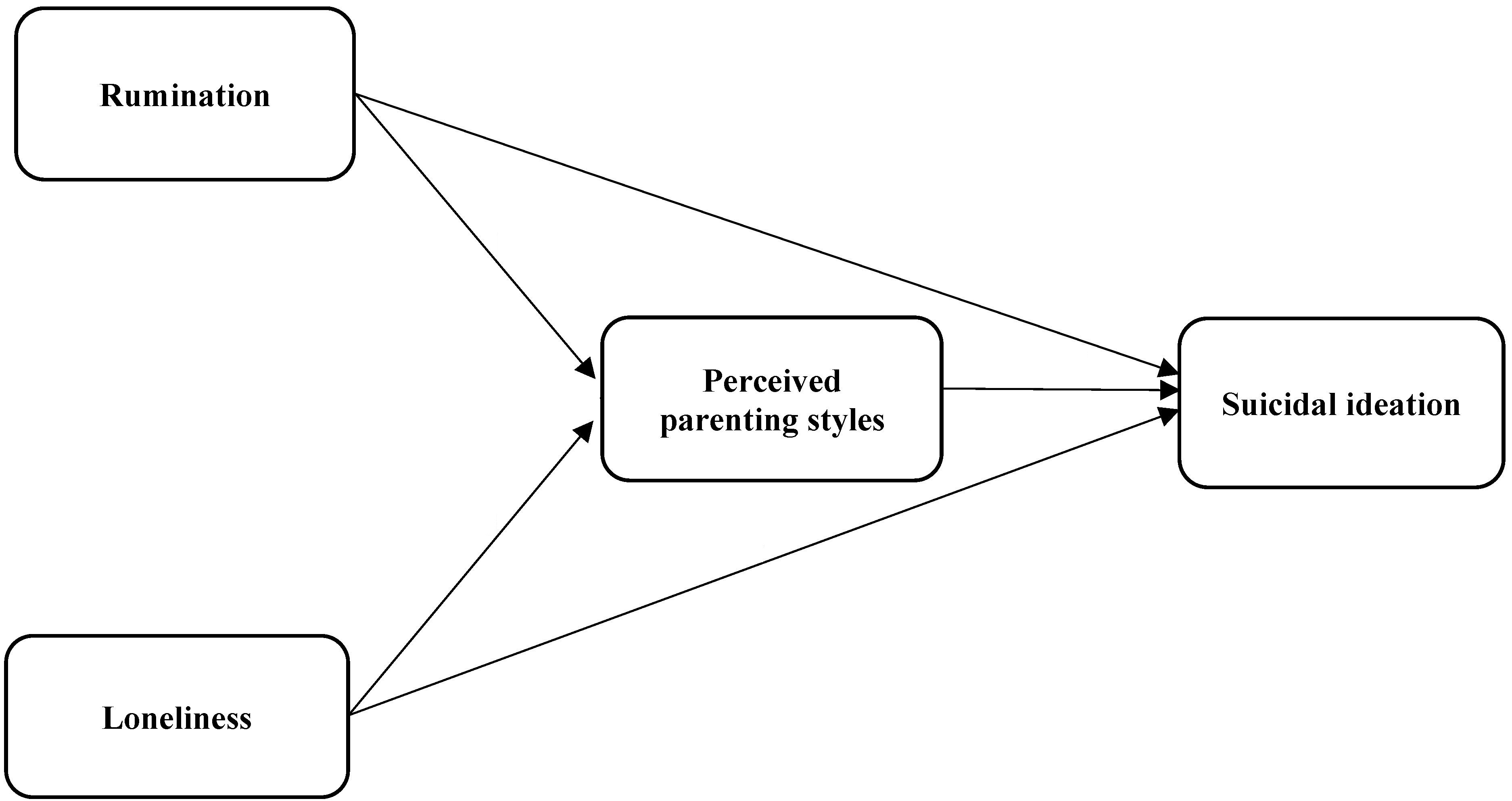
Figure 1. The figure shows the conceptual model of the research.
3. Results
The sample consisted of 212 female middle school students with a mean age of 14.25±1.69 years. Given the level of education, 45 (21.23%) of the participants were in the seventh grade, 75 (35.38%) in the eighth grade, and 92 (43.40%) in the ninth grade. In terms of socioeconomic status, 36 (16.98%) were classified as low, 114 (53.77%) as middle, and 62 (29.25%) as high.
Table 1 presents the descriptive statistics for the study variables, including mean and standard deviations (SD), minimum and maximum scores, and Pearson correlation coefficients. The mean score for suicidal ideation among female students was 21.15 (SD=6.12). The mean scores for rumination and loneliness were 59.75 (SD=9.47) and 32.37 (SD=9.94), respectively. The mean score for perceived parenting style, the mediating variable, was 235.06 (SD=38.72). Results in Table 1 indicated a significant positive correlation between loneliness and suicidal ideation (r=0.39, P<0.01). Similarly, a significant positive correlation was found between rumination and suicidal ideation (r=0.72, P<0.01). Finally, perceived parenting style also demonstrated a significant positive correlation with suicidal ideation (r=0.42, P<0.01).
| Variables | Mean | SD | 1 | 2 | 3 | 4 |
|---|---|---|---|---|---|---|
| 1- Suicidal ideation | 21.15 | 6.12 | 1 | |||
| 2- Rumination | 59.75 | 9.47 | 0.72** | 1 | ||
| 3- Loneliness | 32.37 | 9.94 | 0.39** | 0.28* | 1 | |
| 4- Perceived parenting styles | 235.06 | 38.72 | 0.42** | 0.55** | 0.58** | 1 |
| **: P<0.01; *: P<0.05; SD: Standard Deviation | ||||||
Table 2 presents the model fit indices. The relative chi-square value of 2.22 suggests an acceptable fit for the model. Additionally, both TLI and CFI, goodness-of-fit indices, exceeded 0.90, indicating good fit. Furthermore, PCFI, another index of model fit, surpassed 0.50, demonstrating a satisfactory level of fit. Finally, RMSEA, an overall fit index, yielded a value of 0.070, further supporting the model’s good overall fit. The model of the correlations between loneliness and rumination with suicidal ideation in female students with the mediating role of perceived parenting styles is presented in Figure 2.
| Fit indicators | χ2 | df | (χ2/df) | TLI | CFI | PCFI | RMSEA |
|---|---|---|---|---|---|---|---|
| Proposed model | 609.76 | 239 | 2.22 | 0.96 | 0.97 | 0.84 | 0.070 |
| Acceptable criteria | - | - | <3.0 | >0.90 | >0.90 | >0.50 | <0.080 |
| TLI: Tucker–Lewis index; CFI: Comparative Fit Index; PCFI: Parsimony Comparative fit Index; RMSEA: Root Mean Square Error of Approximation | |||||||
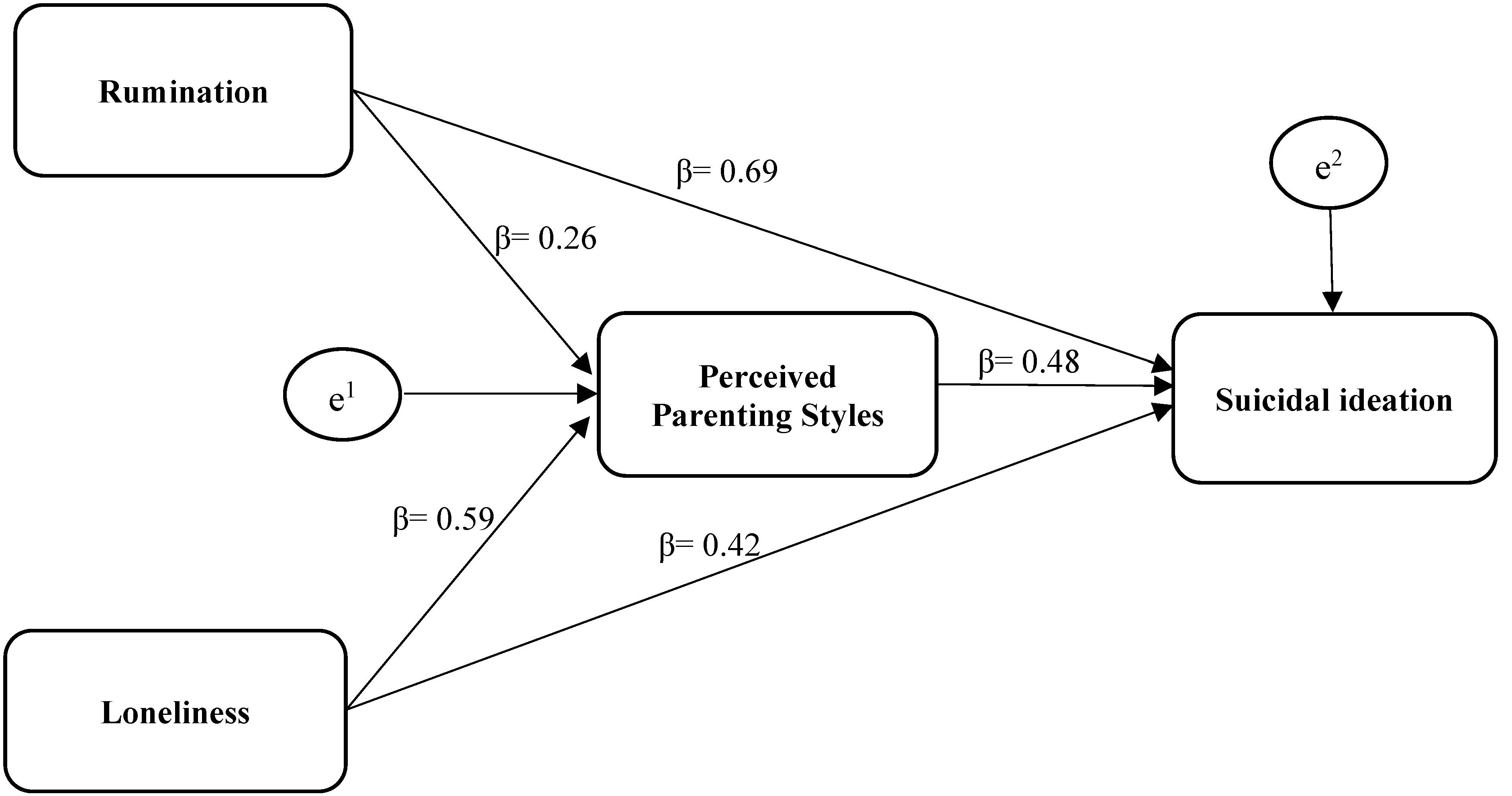
Figure 2. The figure shows the mediating role of perceived parenting styles in correlations between loneliness and rumination with suicidal ideation.
Table 3 presents the standardized path coefficients derived from the SEM analysis of the study variables, revealing significant direct correlations between rumination and suicidal ideation (P<0.01), loneliness and suicidal ideation (P<0.01), and perceived parenting and suicidal ideation (P<0.01) in female students. Additionally, a significant indirect correlation between rumination and suicidal ideation was found, mediated by perceived parenting styles. Furthermore, the findings in Table 3 indicate a significant indirect correlation between loneliness and suicidal ideation, mediated by perceived parenting styles (P<0.01).
| Paths | Proposed model | |
|---|---|---|
| β | P | |
| Rumination → Suicidal ideation | 0.69 | 0.001 |
| Loneliness → Suicidal ideation | 0.42 | 0.009 |
| Perceived parenting styles → Suicidal ideation | 0.48 | 0.007 |
| Rumination → Suicidal ideation through the mediating role of perceived parenting styles | 0.19 | 0.004 |
| Loneliness → Suicidal ideation through the mediating role of perceived parenting styles | 0.26 | 0.003 |
4. Discussion
The present study investigated the interplay between loneliness, ruminative thinking patterns, and suicidal ideation in a sample of female students. We further explored the potential mediating role of perceived parenting styles in this association. The findings revealed a significant positive correlation between loneliness and suicidal ideation in female students. This association can be explained by the fact that loneliness and depression are significant predictors of suicidal ideation in adolescents. Specifically, loneliness has a detrimental impact on the risk of suicide in young people. The inability to maintain relationships with others, exemplified by loneliness, is likely a major factor in poor psychological adjustment that leads to suicidal behavior. Ernst and co-workers ( 32 ) found that loneliness predicts suicidal ideation. Indeed, according to Motillon-Toudic and colleagues ( 33 ), social isolation from others is a critical precursor to increased suicide risk. When individuals feel like a burden to their families and communities, they may develop feelings of worthlessness, leading to the belief that they are not worthy of life and that death is preferable.
The findings further revealed a significant positive correlation between rumination and suicidal ideation in female students. This aligns with the research of previous studies ( 13 , 19 ). Rumination, the repetitive and passive focus on negative thoughts and emotions, can lead to increased anxiety in adolescents, causing them to perceive problems as more significant and overwhelming than they actually are. This magnification of problems and their perceived impact can heighten the risk of developing psychological issues, including depression. Depression, which shares a strong association with rumination, can induce feelings of hopelessness and a sense of psychological insecurity, potentially driving adolescents towards suicide as a means of escaping perpetual despair. This aligns with the established role of depression as a major risk factor for suicide ( 19 ). Rumination, characterized by excessive dwelling on problems and becoming immersed in negative thoughts, can also contribute to suicidal ideation by reinforcing the perceived insolubility of problems. Consequently, suicide may be perceived as an immediate solution to seemingly insurmountable challenges ( 33 ). Rumination on negative experiences, challenges, or stressors can lead to emotional distress, which in turn can contribute to a decline in mental well-being. Rumination, particularly in the context of underlying mental health issues such as depression, anxiety, and stress, can amplify suicidal thoughts and the desire for permanent escape ( 19 ).
The findings further indicated a significant positive correlation between perceived parenting styles and suicidal ideation in female students. This aligns with the previous studies ( 34 , 35 ). Family life plays a crucial role in maintaining the mental, social, and physical well-being of children and parents. Parents, as the primary pillars of the family unit, have a significant impact on shaping their children’s personalities through their parenting styles and interactions. Positive and assertive parenting approaches, characterized by a multidimensional construct, reflect a family’s sense of cohesion, stability, and low levels of conflict among its members ( 35 ). This fosters a supportive environment for adolescents to engage positively and constructively with their peers and the broader social environment. As the primary source of care and support, families provide the initial foundation for a child’s social interactions and identity development. The nature of parent-child relationships and parenting styles shapes subsequent social interactions and the acceptance or rejection of social support and collective identities.
Growing up in a family environment characterized by an authoritative parenting style is associated with positive mental health outcomes, including moral development and a reduced propensity for risky behaviors. This stems from the warm emotional connection between adolescents raised in such families and their parents, enabling open communication about personal issues and access to adequate external resources for problem-solving ( 36 ). This serves as a protective factor against suicide. In contrast, parenting styles characterized by authoritarian control, punishment, and criticism often lead to negative emotions and emotional detachment between parents and children. This emotional detachment can be a significant risk factor for suicidal ideation in adolescents. Additionally, authoritarian parenting approaches generally contribute to reduced adaptability, which can also play a role in increasing suicide risk. The use of inappropriate parenting styles can create a dysfunctional family environment, leading to the perception of low family functioning as a source of environmental stress ( 37 ). The individual’s perception, processing, and response to this external stress ultimately determine the outcome. Environmental stress can trigger negative thoughts, potentially escalating to suicidal ideation ( 38 ).
The findings revealed an indirect correlation between loneliness and suicidal ideation in female students, mediated by perceived parenting styles. Adolescents at this stage of life often experience intense feelings of loneliness, detachment from family and close support networks, and increased reliance on peer relationships. Individuals experiencing loneliness often exhibit diminished interpersonal skills. Research consistently supported a direct and positive association between suicidal ideation and loneliness. Lamis and co-workers ( 39 ) found that suicidal ideation is positively correlated with loneliness.
Loneliness can lead to reduced verbal communication and social engagement, potentially impacting all aspects of life. Subsequently, as social interactions decrease, suicidal ideation may escalate in these adolescents. Loneliness, a common experience among adolescents, can have detrimental effects on physical, mental, and emotional well-being when persistent. Loneliness can increase stress, anxiety, and risky behaviors such as smoking and substance abuse, leading to school avoidance, depression, shyness, and decreased self-esteem. Loneliness also heightens suicidal ideation and suicide risk ( 40 ). Components of loneliness, such as feelings of inadequacy, aimlessness, weak social connections, criticism from others, and an inability to express needs, can contribute to suicidal ideation in adolescents. These negative elements of loneliness prevent the development of self-efficacy beliefs, which are characterized by self-confidence and resilience and stand in contrast to loneliness ( 31 ). Furthermore, considering the link between loneliness and depression, it can be argued that adolescents experiencing high levels of loneliness tend to give up easily in the face of challenges, perceiving their efforts as futile. This can significantly contribute to the emergence of suicidal ideation in adolescents ( 37 ).
The correlation between rumination and suicidal ideation in adolescent girls was found to be indirectly mediated by perceived parenting styles. Rumination, often used to alleviate emotional distress, may paradoxically keep individuals in a heightened state of emotional arousal. This heightened emotional state can lead to increased self-destructive behaviors and an elevated risk of suicide ( 13 ). Additionally, feelings of neutral belongingness and the perception of not belonging or having minimal belonging to one’s social circle can reinforce beliefs of worthlessness or low self-worth, ultimately increasing suicidal ideation ( 35 ). Childhood adversities not only constitute a risk factor for suicidal behavior but also for early-onset suicide, psychiatric disorders, and aggressive traits. Childhood trauma has been shown to have a detrimental impact on the developing brains of children and adolescents, leading to a range of consequences, including emotional dysregulation ( 4 ). Abuse and neglect during childhood may result in chronic difficulties in regulating emotions, increasing the risk of emotional disorders such as depression and suicidal attempts. Furthermore, emotional problems, neglect, and physical abuse in childhood can negatively impact cognition, fostering negative thoughts like neutral belongingness and rumination that contribute to depressive feelings, ultimately leading to suicidal ideation ( 32 ).
The study design only captures data at one point in time, limiting the ability to establish causality between variables. The study relied on self-reported data, which can be susceptible to biases such as social desirability or recall bias. The sample consisted solely of female students from middle schools in Ahvaz, Iran during a specific academic year. The findings may not generalize to other populations, genders, age groups, or geographical locations. The study design did not account for potential confounding variables that may influence the correlations between the studied variables. For example, factors like peer relationships, academic stress, or mental health history could be relevant. The study focused on perceived parenting styles, which may not always reflect actual parenting practices.
4.1. Limitations
Future research could address these limitations by employing a longitudinal design to track changes over time and establish causality. Additionally, incorporating objective measures or collateral reports could reduce bias in data collection. Expanding the sample to include students from diverse backgrounds, genders, and age groups would improve the generalizability of the findings. Accounting for potential confounding variables through statistical control or matching techniques would strengthen the study’s internal validity. Finally, including measures of actual parenting practices alongside perceived parenting styles could provide a more comprehensive understanding of the parenting-child relationship.
5. Conclusions
This study furthers our understanding of the complex factors contributing to suicidal ideation in female students. The findings revealed significant positive correlations between loneliness, rumination, and suicidal ideation. This suggests that adolescents experiencing social isolation and dwelling on negative thoughts are more susceptible to suicidal thoughts. Additionally, perceived parenting styles were positively correlated with suicidal ideation, highlighting the potential influence of family dynamics on mental well-being. The mediation analysis provided crucial insights, demonstrating that loneliness and rumination indirectly influence suicidal ideation through the mediating effect of perceived parenting styles. This suggests that negative parental behaviors may exacerbate the detrimental effects of loneliness and rumination, ultimately increasing the risk of suicidal thoughts in female students. The good model fit of the structural equation model strengthens the validity of these findings, indicating a robust model for understanding the relationships between these variables. These findings highlight the importance of addressing loneliness, rumination, and fostering positive parenting styles to reduce the risk of suicidal ideation in female adolescents. Future research should explore specific parenting behaviors that may mitigate the negative influence of loneliness and rumination on suicidal ideation.
Acknowledgement
The researchers wish to thank all the individuals who participated in the study.
Authors’ Contribution
Mehri Hamid: Substantial contributions to the conception and design of the work, the acquisition, analysis, and interpretation of data for the work, drafting the work. Zahra Dasht Bozorgi: Substantial contributions to the conception and design of the work, the acquisition, analysis, and interpretation of data for the work, drafting the work and reviewing it critically for important intellectual content. All authors have read and approved the final manuscript and agree to be accountable for all aspects of the work, such that the questions related to the accuracy or integrity of any part of the work.
Conflict of Interest
None declared.
Funding
None.
Ethics Approval
The Ethics Review Board of Islamic Azad University Ahvaz Branch approved the present study with the code of IR.IAU.AHVAZ.REC.1403.173. Also, written informed consent was obtained from the participants.
References
- Jimenez AL, Banaag CG, Arcenas AMA, Hugo LV. Adolescent Development. In: Tasman A, editors. Tasman’s Psychiatry Cham: Springer International Publishing; 2020.
- Subramaniapillai S, Galea LAM, Einstein G, de Lange A-MG. Sex and gender in health research: Intersectionality matters. Front Neuroendocrinol. 2023; 72:101104. DOI | PubMed
- Burke TA, Connolly SL, Hamilton JL, Stange JP, Abramson LY, Alloy LB. Cognitive Risk and Protective Factors for Suicidal Ideation: A Two Year Longitudinal Study in Adolescence. J Abnorm Child Psychol. 2016; 44(6):1145-60. Publisher Full Text | DOI | PubMed [ PMC Free Article ]
- Tian M, Motevalli S. The Relationship between Adverse Childhood Experiences and Conduct Disorder among Primary School Students. Int J School Health. 2024; 11(4):221-231. DOI
- Encina-Zúñiga E, Rodante D, Agrest M, Tapia-Munoz T, Vidal-Zamora I, Ardila-Gómez S, et al. Development of mental health first-aid guidelines for suicide risk: a Delphi expert consensus study in Argentina and Chile. BMC Psychiatry. 2023; 23(1):928. Publisher Full Text | DOI | PubMed [ PMC Free Article ]
- Bazrafshan M-R, Mansouri A, Faramarzian Z, Soufi O, Delam H, Masmouei B, et al. Qualitative Content Analysis of Coping Strategies among Adolescents with Suicidal Thoughts. Int J School Health. 2022; 9(1):63-72. DOI
- Kinchin I, Doran CM. The Economic Cost of Suicide and Non-Fatal Suicide Behavior in the Australian Workforce and the Potential Impact of a Workplace Suicide Prevention Strategy. Int J Environ Res Public Health. 2017; 14(4):347. Publisher Full Text | DOI | PubMed [ PMC Free Article ]
- Birken M, Chipp B, Shah P, Olive RR, Nyikavaranda P, Hardy J, et al. Exploring the experiences of loneliness in adults with mental health problems: A participatory qualitative interview study. PLoS One. 2023; 18(3):e0280946. Publisher Full Text | DOI | PubMed [ PMC Free Article ]
- Fardghassemi S, Joffe H. The causes of loneliness: The perspective of young adults in London’s most deprived areas. PLoS One. 2022; 17(4):e0264638. Publisher Full Text | DOI | PubMed [ PMC Free Article ]
- Prizeman K, Weinstein N, McCabe C. Effects of mental health stigma on loneliness, social isolation, and relationships in young people with depression symptoms. BMC Psychiatry. 2023; 23(1):527. Publisher Full Text | DOI | PubMed [ PMC Free Article ]
- Mehraban R, Hosseini Nasab SD, Alivandi Vafa M. Effect of Emotion Regulation Training on Aggression, Rumination, and Self-control in Female Junior High School Students with Low Academic Performance. Int J School Health. 2023; 10(1):12-18. DOI
- Wells A, Capobianco L. Rumination. In: Zeigler-Hill V, Shackelford TK, editors. Encyclopedia of Personality and Individual Differences Cham: Springer International Publishing; 2017.
- Holdaway AS, Luebbe AM, Becker SP. Rumination in relation to suicide risk, ideation, and attempts: Exacerbation by poor sleep quality? J Affect Disord. 2018; 236:6-13. Publisher Full Text | DOI | PubMed [ PMC Free Article ]
- Yadav P, Shukla P, Padhi D, Chaudhury S. A correlational study between perceived parenting style, psychological well-being, and emotional intelligence among adolescents. Ind Psychiatry J. 2021; 30(Suppl 1):S108-S14. Publisher Full Text | DOI | PubMed [ PMC Free Article ]
- Baumrind D. Parental Disciplinary Patterns and Social Competence in Children. Youth & Society. 1978; 9(3):239-67. DOI
- Goagoses N, Bolz T, Eilts J, Schipper N, Schütz J, Rademacher A, et al. Parenting dimensions/styles and emotion dysregulation in childhood and adolescence: a systematic review and Meta-analysis. Current Psychology: A Journal for Diverse Perspectives on Diverse Psychological Issues. 2023; 42(22):18798-822. DOI
- Cong EZ, Cai YY, Wang Y, Wu Y. Association of depression and suicidal ideation with parenting style in adolescents. Zhongguo Dang Dai Er Ke Za Zhi. 2021; 23(9):938-943. Publisher Full Text | DOI | PubMed [ PMC Free Article ]
- Nunes F, Mota CP. Parenting Styles and Suicidal Ideation in Adolescents: Mediating Effect of Attachment. Journal of Child and Family Studies. 2017; 26(3):734-747. DOI
- Rogers ML, Gallyer AJ, Joiner TE. The relationship between suicide-specific rumination and suicidal intent above and beyond suicidal ideation and other suicide risk factors: A multilevel modeling approach. J Psychiatr Res. 2021; 137:506-513. DOI | PubMed
- Vidal-Arenas V, Bravo AJ, Ortet-Walker J, Ortet G, Mezquita L, Ibáñez MI, et al. Neuroticism, rumination, depression and suicidal ideation: A moderated serial mediation model across four countries. Int J Clin Health Psychol. 2022; 22(3):100325. Publisher Full Text | DOI | PubMed [ PMC Free Article ]
- Thompson B. Ten commandments of structural equation modeling. Reading and understanding MORE multivariate statistics. Washington, DC, US: American Psychological Association; 2000.
- Beck AT, Kovacs M, Weissman A. Assessment of suicidal intention: the Scale for Suicide Ideation. J Consult Clin Psychol. 1979; 47(2):343-52. DOI | PubMed
- Esfahani M, Hashemi Y, Alavi K. Psychometric assessment of beck scale for suicidal ideation (BSSI) in general population in Tehran. Med J Islam Repub Iran. 2015; 29:268. Publisher Full Text | PubMed [ PMC Free Article ]
- Russell DW. UCLA Loneliness Scale (Version 3): reliability, validity, and factor structure. J Pers Assess. 1996; 66(1):20-40. DOI | PubMed
- Zarei S, Memari AH, Moshayedi P, Shayestehfar M. Validity and reliability of the UCLA loneliness scale version 3 in Farsi. Educational Gerontology. 2016; 42(1):49-57. DOI
- Bajorvand M, Eftekhar Saadi Z, Homaei R, Heidari AR. Correlation of Loneliness and Impulsivity with Academic Adjustment of Female Students: Mediated by Smartphone Addiction. Int J School Health. 2023; 10(3):163-171. DOI
- Nolen-Hoeksema S, Wisco BE, Lyubomirsky S. Rethinking Rumination. Perspect Psychol Sci. 2008; 3(5):400-24. DOI | PubMed
- Aghebati A, Joekar S, Alimoradi H, Ataie S. Psychometric Properties of the Persian Version of Co-Rumination Questionnaire. Iran J Psychiatry Behav Sci. 2020; 14(2):e68464. DOI
- Mousavi S, Mousavi S, Shahsavari MR. Effectiveness of Compassion-Focused Therapy on Social Anxiety and Rumination Among Female Heads of Households. J Clin Res Paramed Sci. 2023; 12(2):e139058. DOI
- Grolnick WS, Deci EL, Ryan RM. Internalization within the family: The self-determination theory perspective. Parenting and children’s internalization of values: A handbook of contemporary theory. John Wiley & Sons Inc; 1997. p. 135-61.
- Kolivand F, Nokani M, Jamilian H, Mohammadi Aria A. The Psychometric Properties of Persian Form of Perceived Parenting Questionnaire among Shahr-e-Rey’s Girl Students. J Child Ment Health. 2023; 9(4):1-14. DOI
- Ernst M, Brähler E, Wild PS, Faber J, Merzenich H, Beutel ME. Loneliness predicts suicidal ideation and anxiety symptoms in long-term childhood cancer survivors. Int J Clin Health Psychol. 2021; 21(1):100201. Publisher Full Text | DOI | PubMed [ PMC Free Article ]
- Motillon-Toudic C, Walter M, Séguin M, Carrier JD, Berrouiguet S, Lemey C. Social isolation and suicide risk: Literature review and perspectives. Eur Psychiatry. 2022; 65(1):e65. Publisher Full Text | DOI | PubMed [ PMC Free Article ]
- Choi SH, Lee SE, Lee CW, Maeng S, Son J, Kim WH, et al. Association between Perceived Parenting Style and Adolescents’ Attitudes toward Suicide. Soa Chongsonyon Chongsin Uihak. 2020; 31(4):193-200. Publisher Full Text | DOI | PubMed [ PMC Free Article ]
- Donath C, Graessel E, Baier D, Bleich S, Hillemacher T. Is parenting style a predictor of suicide attempts in a representative sample of adolescents? BMC Pediatr. 2014; 14(1):113. Publisher Full Text | DOI | PubMed [ PMC Free Article ]
- Li D, Li W, Zhu X. The association between authoritarian parenting style and peer interactions among Chinese children aged 3-6: an analysis of heterogeneity effects. Front Psychol. 2024; 14:1290911. Publisher Full Text | DOI | PubMed [ PMC Free Article ]
- Lo HHM, Kwok SYCL, Yeung JWK, Low AYT, Tam CHL. The Moderating Effects of Gratitude on the Association Between Perceived Parenting Styles and Suicidal Ideation. Journal of Child and Family Studies. 2017; 26(6):1671-80. DOI
- Arafat SMY, Menon V, Dinesh M, Kabir R. Parenting Style and Suicidal Behavior: A Focused Review. Mental Illness. 2022; 2022:2138650. DOI
- Lamis DA, Ballard ED, Patel AB. Loneliness and suicidal ideation in drug-using college students. Suicide Life Threat Behav. 2014; 44(6):629-40. DOI | PubMed
- Pengpid S, Peltzer K. Loneliness is associated with poor mental health, social-environmental factors, and health risk behaviours among national samples of in-school adolescents in four Caribbean countries. Psychol Health Med. 2022; 27(3):559-570. DOI | PubMed


